

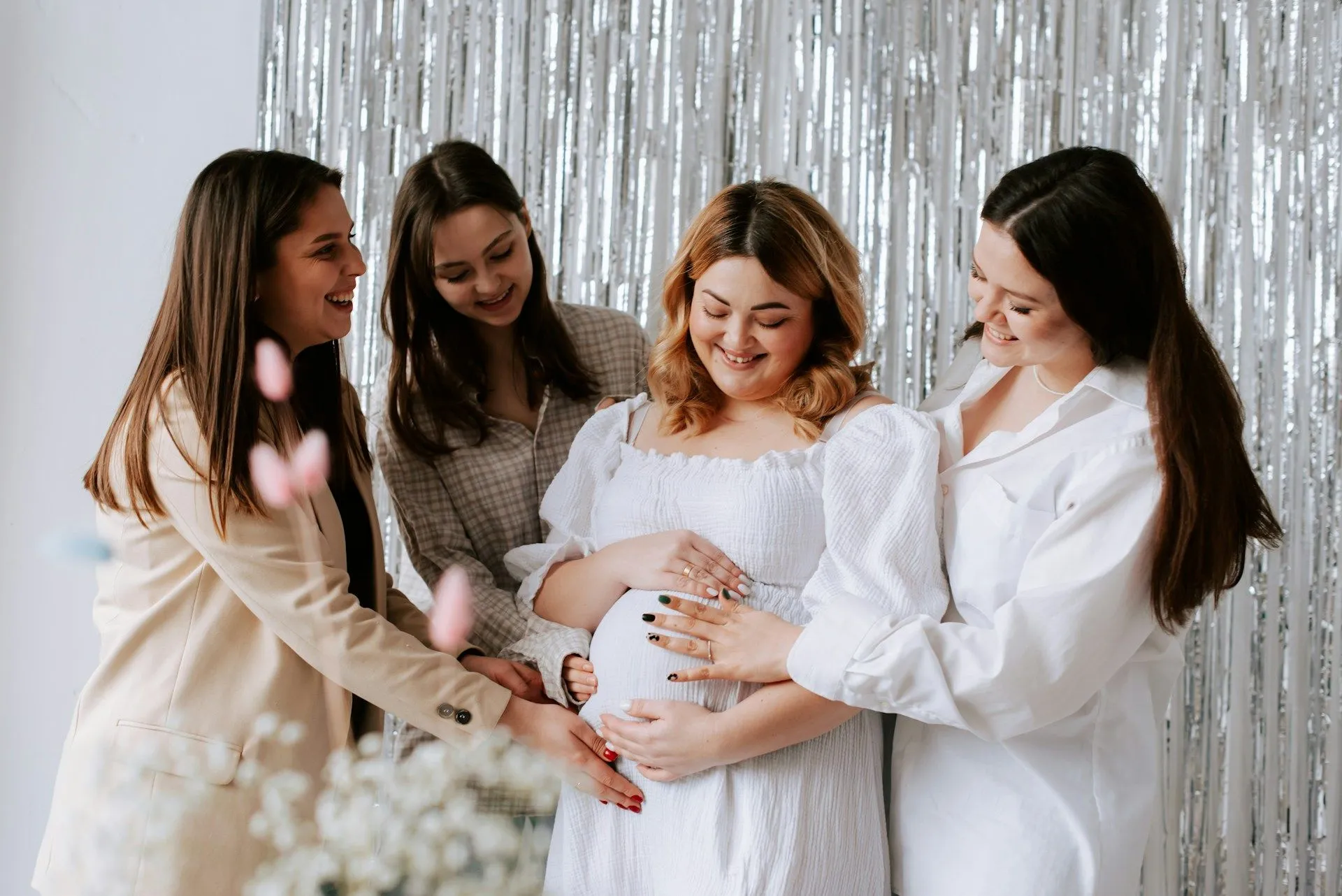
Your due date is circled on the calendar, the nursery Pinterest board is getting out of hand, and someone in your life has started asking about a baby shower. The question isn’t whether to have one. It’s when to have it and how to make sure the planning doesn’t become its own full-time job.
Timing a baby shower is less complicated than it seems, but getting it wrong creates real problems. Too early and the whole thing feels premature. Too late and the guest of honor is too far along to comfortably sit through two hours of celebration. This guide covers the ideal window, a step-by-step planning checklist, modern formats worth considering, and the cultural and personal factors that might shift your timeline.
Table of Contents
When Is the Best Time to Have a Baby Shower?
Why 28 Weeks Is the Sweet Spot
How to Plan a Baby Shower: The Complete Checklist
1. Decide Who’s Hosting
2. Set a Budget
3. Start Planning Eight Weeks Out
4. Choose the Date Carefully
5. Confirm the Guest List With the Parents-to-Be
6. Pick a Theme or Color Direction
7. Book the Venue Early
8. Build the Baby Registry 10 to 12 Weeks Before the Shower
9. Send Invitations Four to Six Weeks Before the Shower
10. Plan the Menu Around the Guest of Honor
11. Keep the Shower to Around 2-3 Hours
12. Plan Two or Three Games & Activities
13. Skip the Surprise Shower
Modern Shower Formats Worth Considering
Second and Subsequent Babies
Cultural and Personal Timing Considerations
What Happens After the Baby Shower?
Start Planning Your Baby Shower Today!
When Is the Best Time to Have a Baby Shower?
The widely recommended window is between 24 and 32 weeks of pregnancy, with 28 weeks landing right in the middle as the ideal time. At that point, the bump is visible, the early-pregnancy discomfort has usually passed, and the due date is still far enough away that everyone can relax.
That eight-week range also gives you room to work around holidays, travel schedules, and whatever else life throws at you. If the shower falls too close to Thanksgiving, Christmas, Memorial Day, or Labor Day weekend, you might collect more regretful declines than RSVPs.
Why 28 Weeks Is the Sweet Spot
The early third trimester tends to be one of the more comfortable stretches of pregnancy. First-trimester fatigue has passed, and the heavier discomforts of the final weeks haven’t arrived yet. Energy levels are reasonable, and the bump is photogenic. There's still a solid two to three months before the due date for parents to sort through gifts, set up the nursery, and fill any gaps in the registry.
If you’re navigating a twin or multiple pregnancy, a high-risk pregnancy, or other health factors, the earlier end of the window (around 24 to 26 weeks) is usually the smarter call. And remember, your care provider’s guidance should always come first.
How to Plan a Baby Shower: The Complete Checklist
Baby shower planning has a lot of moving parts, but most of them are straightforward if you handle them in the right order.

1. Decide Who’s Hosting
Traditionally, a close friend or family member takes the lead on planning and costs, but those norms have loosened. Self-hosting is normal now. Co-hosting between two or three people is even more common because it splits both the workload and the budget.
However you structure it, note responsibilities early. If multiple people are co-hosting, divide tasks from the start: one person handles venue and food, another manages invitations and RSVPs, a third handles games and decorations. Clear lanes prevent things from falling through the cracks.
2. Set a Budget
Before you fall in love with a venue or start pinning elaborate decoration ideas, agree on a number. The budget shapes every decision that follows, from guest count to menu. A cozy at-home brunch with the people who matter most can be just as memorable as a polished venue event. What matters is that everyone hosting agrees on what they’re spending.
3. Start Planning Eight Weeks Out
Eight weeks of lead time gives you enough space to lock in a venue, coordinate schedules, send invitations, finalize the guest list, and handle the small details without anything feeling rushed. If the shower involves out-of-town guests, a venue that books up quickly, or custom elements that need production time, add two or three extra weeks.
4. Choose the Date Carefully
A formula that works every time: start with the due date, count backward 12 weeks, and you land at the 28-week mark. From there, check the calendar for conflicts. Stay at least two weeks clear of any major holiday on either side.
It’s also worth checking with guests whose presence matters before setting the date. A small adjustment within that 24-to-32-week window can be the difference between someone important being there or missing it entirely.
5. Confirm the Guest List With the Parents-to-Be
This is non-negotiable: always check with the expectant parents before building the guest list. Immediate family, close friends, and the partner’s close family are natural starting points.
Beyond that, the list should reflect what the parents-to-be actually want. Some people want a big, festive crowd. Others want something small and personal. Following their lead is what transforms a nice party into a day that feels like theirs.
6. Pick a Theme or Color Direction
A baby shower theme ties the event together through invitations, decorations, cake and more touches, but it’s entirely optional. A simple color palette or loose aesthetic direction works just as well and is easier to execute.
7. Book the Venue Early
Lock in the venue the moment the date is confirmed. Desirable spots fill up fast, especially on spring and fall weekends.
Beyond availability, think about the guest of honor’s comfort, easy parking, accessible bathrooms, temperature control, and enough seating for everyone to actually relax and enjoy the party.
8. Build the Baby Registry 10 to 12 Weeks Before the Shower
The registry needs to be live before invitations go out, which means building it 10 to 12 weeks ahead of the shower. Many guests head straight to the registry the moment an invitation arrives, and popular items sell out faster than you’d expect.
A good baby registry covers a range of price points so every guest can find something that fits their budget. Consumables like diapers, wipes, and feeding supplies are always appreciated.
For second or third babies, the registry approach is a bit different. More on that below.
9. Send Invitations Four to Six Weeks Before the Shower
Four weeks works when most guests are local. Six weeks is the smarter move if people are traveling and need time to book flights and arrange hotels. Digital invitations can go out around three to four weeks before, since they arrive instantly, and Celebration.com includes built-in RSVP tracking.
10. Plan the Menu Around the Guest of Honor
An important consideration is how the guest of honor is feeling about food right now. Cravings, aversions, and general comfort should all factor in. Light bites, something more substantial to keep energy up, and plenty of non-alcoholic drink options cover the bases for most groups.
Brunch and afternoon tea formats remain popular for baby showers because they’re easy to execute, feel celebratory, and work across almost every dietary situation. If you’re hosting at a venue, confirm catering minimums upfront and check whether outside vendors are allowed.
11. Keep the Time Limit to Around 2-3 Hours
Two to three hours is long enough for everyone to arrive, eat, play a few games, open gifts, and have meaningful conversations. Including a clear end time on the invitation is a small detail that makes a big difference. A defined time commitment makes it easier for guests to say yes. Especially for guests driving in from out of town or working the shower around the rest of their schedule.
12. Plan Two or Three Games & Activities
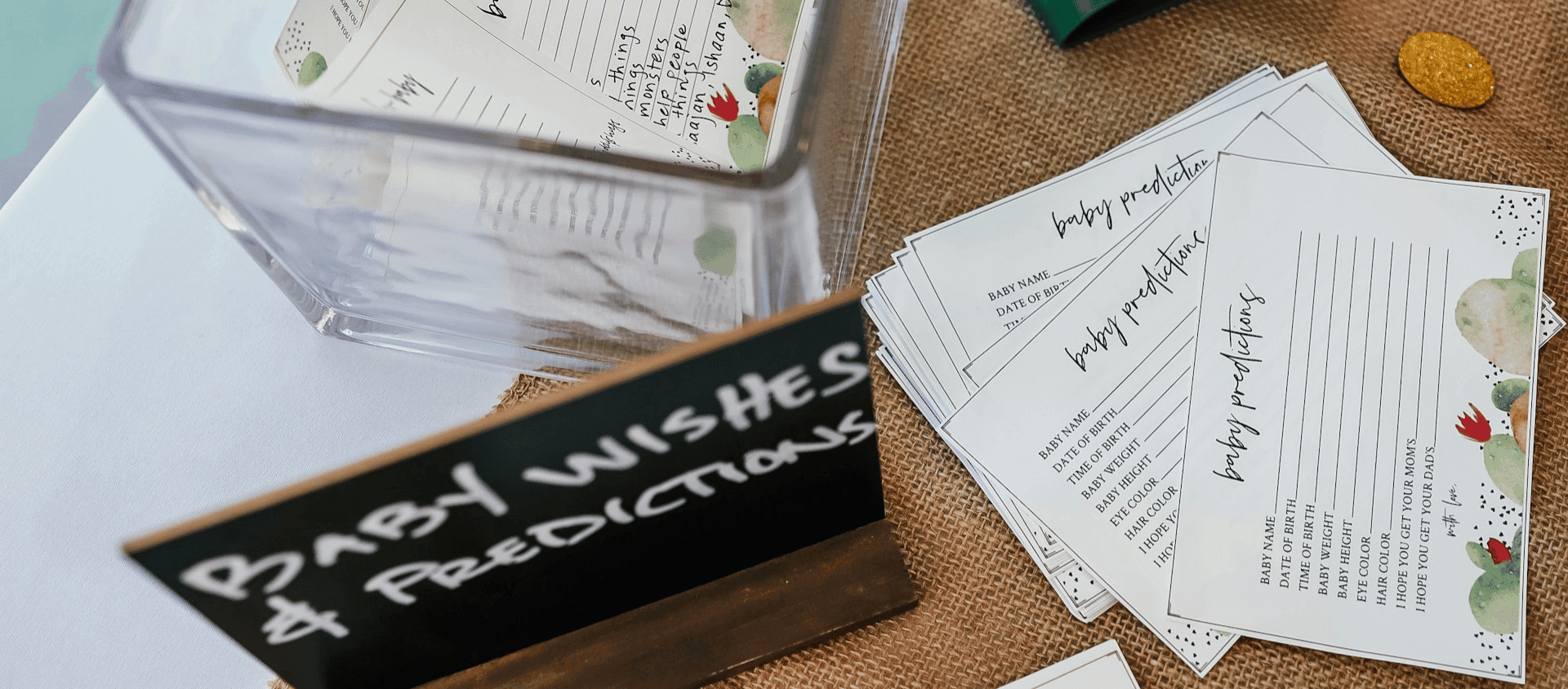
Two or three activities are enough to keep the energy moving and guests entertained. Always run games by the parents-to-be first. Some classic baby shower games haven’t aged well, and a quick check-in prevents games that could embarrass or exclude someone in the room.
13. Skip the Surprise Shower
A surprise baby shower sounds like a sweet gesture in theory, but it’s one of the most common baby shower mistakes. Unlike a surprise birthday party, a surprise shower puts the guest of honor in the position of being photographed, receiving gifts, and entertaining a room full of people with no warning, no preparation, and no chance to wear something they feel good in.
Involving the parents-to-be in planning produces a better celebration every time.
Modern Shower Formats Worth Considering
Baby showers have expanded well beyond the traditional afternoon tea.
- Couples shower or Baby-Q: A laid-back, co-ed celebration that works well as a backyard barbecue or casual brunch. It ditches the traditional women-only format and gives both parents-to-be a chance to celebrate with their full circle.
- Virtual or hybrid shower: Removes geographic barriers and lets loved ones join from anywhere. Shipping matching treat boxes to remote guests ahead of time keeps it feeling connected. Run games, open gifts on camera, and make virtual guests feel more physically connected with a little planning.
- Book shower: Guests bring a favorite children's book instead of or alongside a registry gift, building a starter library for the new arrival. It's a meaningful alternative to traditional gifting, and the inscriptions people write inside the covers tend to become keepsakes on their own.
- Sip and see: Held after the baby arrives, giving guests the chance to meet the newest family member while still offering practical support through gifts. It's a strong option for families who prefer to wait until after birth to celebrate, and it takes the pressure off the postpartum period by keeping things short and casual.
The format matters less than the intent. The point is gathering the people who care about this family and making the parents-to-be feel supported.
Second and Subsequent Babies

Every baby deserves a celebration, and the old rule that only first babies get a shower has largely faded. For second and third babies, a baby sprinkle is the common approach. It’s a smaller, more casual version of a traditional shower that still marks the occasion without the full production.
The registry for a sprinkle typically focuses on consumables and any gear that’s worn out, been outgrown, or possibly recalled since the last baby. It’s practical, it’s appreciated, and it’s a perfectly good reason to get everyone together.
Cultural and Personal Timing Considerations
Baby celebrations carry different meanings across cultures and belief systems, and the best shower is one that honors the family being celebrated.
Some cultures traditionally avoid celebrating before birth, preferring post-birth gatherings like baby naming ceremonies or one-month celebrations.
Hindu families often hold Godh Bharai around the seventh month of pregnancy. Jewish families may celebrate a Shalom Zakhar on the first Friday after a baby boy is born, or a Simchat Bat for girls shortly after birth. Chinese families traditionally host a full moon celebration one month after birth. Korean families celebrate Baek-il at the 100-day milestone.
Adoption showers follow their own rhythm. When there’s a confirmed placement date, showers typically happen two to four weeks before the child arrives. When timing is uncertain, a welcome-home celebration after the child arrives works well.
Personal preference matters just as much as tradition. Some parents feel more comfortable meeting their baby before hosting a celebration, and that instinct deserves full respect.
Hosts should always ask what feels right rather than assuming tradition works for everyone.
What Happens After the Baby Shower?
Once the last piece of cake is gone and the final gift bag is closed, the nesting begins.
If you're a proud parent-to-be, plan for about two to three weeks of intermittent work to get everything sorted: washing and folding clothes, assembling furniture, setting up the nursery, installing the car seat, and doing a final check to see if anything still needs to be ordered. Starting while vibes are high and the shower excitement is fresh helps keep the momentum going.
Thank-you notes are best written before the baby arrives. Tackling five to ten a day keeps it from feeling overwhelming, and be sure to mention each specific gift to make every note feel personal.
Most stores have a 60- to 90-day return window, so any duplicates or unnecessary items can be exchanged during month eight, before anyone gets too deep into nesting and waiting for the baby to arrive.
Start Planning Your Baby Shower Today!
Celebration.com makes it easy to bring every detail together in one place, from building a registry and managing your guest list to sending invitations.
Whatever timing and format you choose, we have what you need to keep the planning simple and organized.