

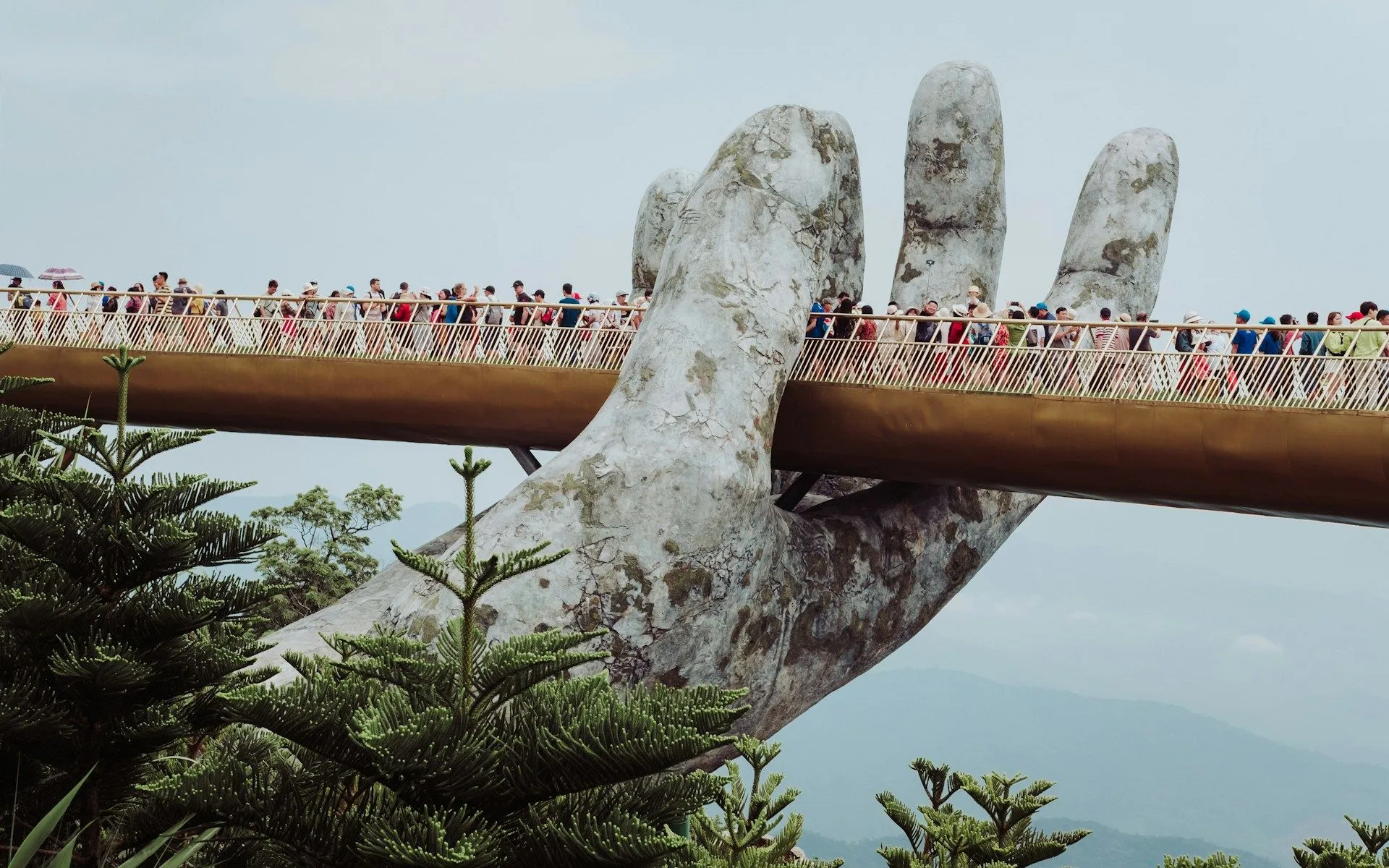
Here at Celebration.com, we love to highlight countries and destinations that reward the curious traveler. And near the top of that list is Vietnam. It's a country with plenty of history and some of the nicest people you'll meet, and the adventures you can take are well worth the flight.
Imagine drifting past limestone towers rising from an emerald bay, or slurping the world's best bowl of noodles on a tiny plastic stool. And you'll never forget the night you spent wandering lantern-lit streets that glow gold just after sunset.
Vietnam is vivid and welcoming, and it's also surprisingly affordable. That's what makes it a brilliant pick for a celebration trip! If you're planning a honeymoon, graduation adventure, or bucket-list trip, then why not give Vietnam a look?
This Vietnam travel guide will walk you through the country the way most travelers experience it: from top to bottom. Ready? Let's begin!
North Vietnam vs. South Vietnam: What's the Difference?
Those who know Vietnam's history will point out that the country is often described as having two halves. And it's the first question every Vietnam planner asks, what's the difference between North and South Vietnam?
The honest answer is that the two ends of the country feel like different worlds, but in the best way.
The north is cooler, more traditional, and dramatic. You'll come across iconic misty mountains and ancient temples, and you can spend time exploring Hanoi's thousand-year-old street life.
The South is more tropical and fast-paced. This is the heart of entrepreneurial Vietnam: the neon energy of Ho Chi Minh City, the Mekong Delta, and all those amazing island beaches.
But there's another part of Vietnam that many miss. Central Vietnam serves up imperial history and the country's most charming town.
It's a long and narrow country with plenty of cheap domestic flights, so you don't have to choose, most itineraries simply travel north to south (or the reverse) and collect all three.
What makes Vietnam particularly special for first-time visitors is how manageable it feels despite its size. The main cities are well connected, English is widely spoken in tourist areas, and the locals are genuinely welcoming to international travelers. It's a country that rewards curiosity, and one that rarely disappoints.
The North: Hanoi, Halong Bay, and Misty Mountains
Best for those who want the best of the country's culture and iconic scenery.
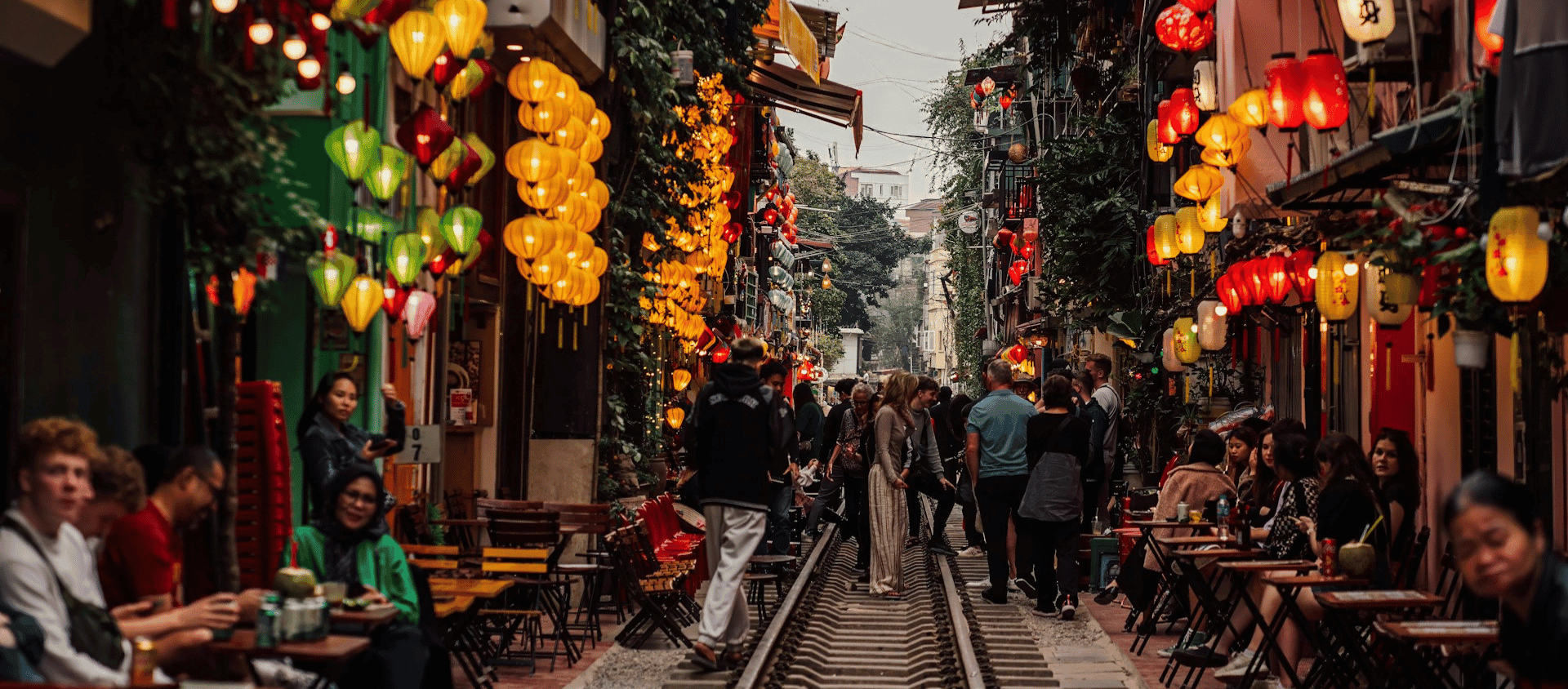
If you want the best of the North, start in Hanoi. Here is where you'll find the Old Quarter's 36 ancient streets buzzing with shops and sidewalk pho stalls. Make sure to stop by and try an egg coffee (trust us) while overlooking Hoan Kiem Lake.
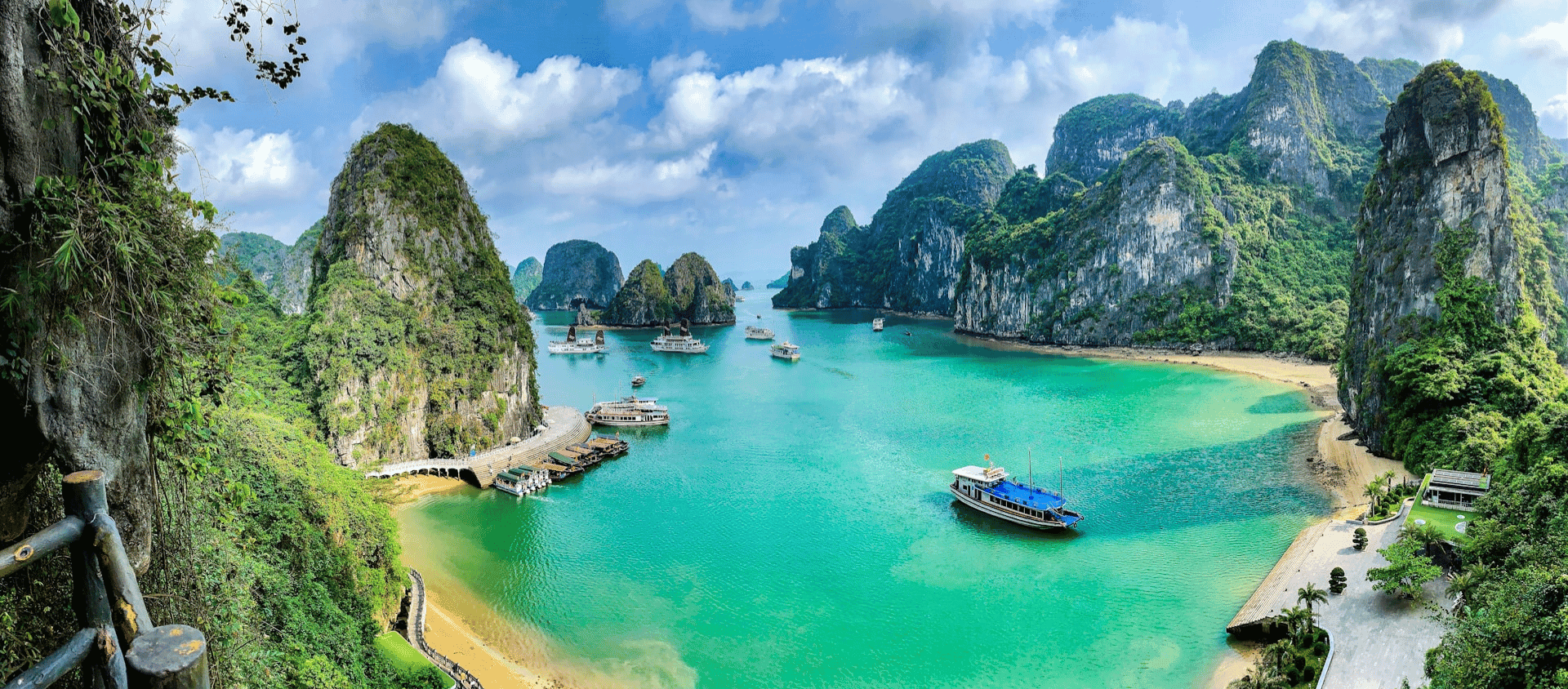
Then comes the showstopper: Halong Bay. The bay is where nearly 2,000 limestone karst formations rise from jade-green waters. The best way to experience it is on a cruise, you can kayak into hidden lagoons, watch the sunset from the top deck, and wake up to morning mist.
Comfortable overnight cruises run about $100 to $160 per person, with luxury ships from around $300. You'll find the same magic (and fewer boats) in quieter neighboring Lan Ha and Bai Tu Long Bays.
If you have a few extra days, head inland to Ninh Binh's river caves and rice paddies, or up to Sapa's terraced mountains.
Sapa is particularly worth the detour if your Vietnam itinerary allows for it. The terraced rice fields, especially during harvest season in September and October, are among the most photographed landscapes in all of Southeast Asia. Staying overnight in a local homestay adds a layer of authenticity that very few travel experiences can match.
Celebration.com Travel Tip: Book a cruise with two nights if you can spare them, day-trippers see Halong Bay at its busiest, while overnight guests get the bay's best hours to themselves.
The Center: Hoi An, Hue, and the Coast
Best for those who are looking for lantern-lit romance among Vietnam's rich imperial history.
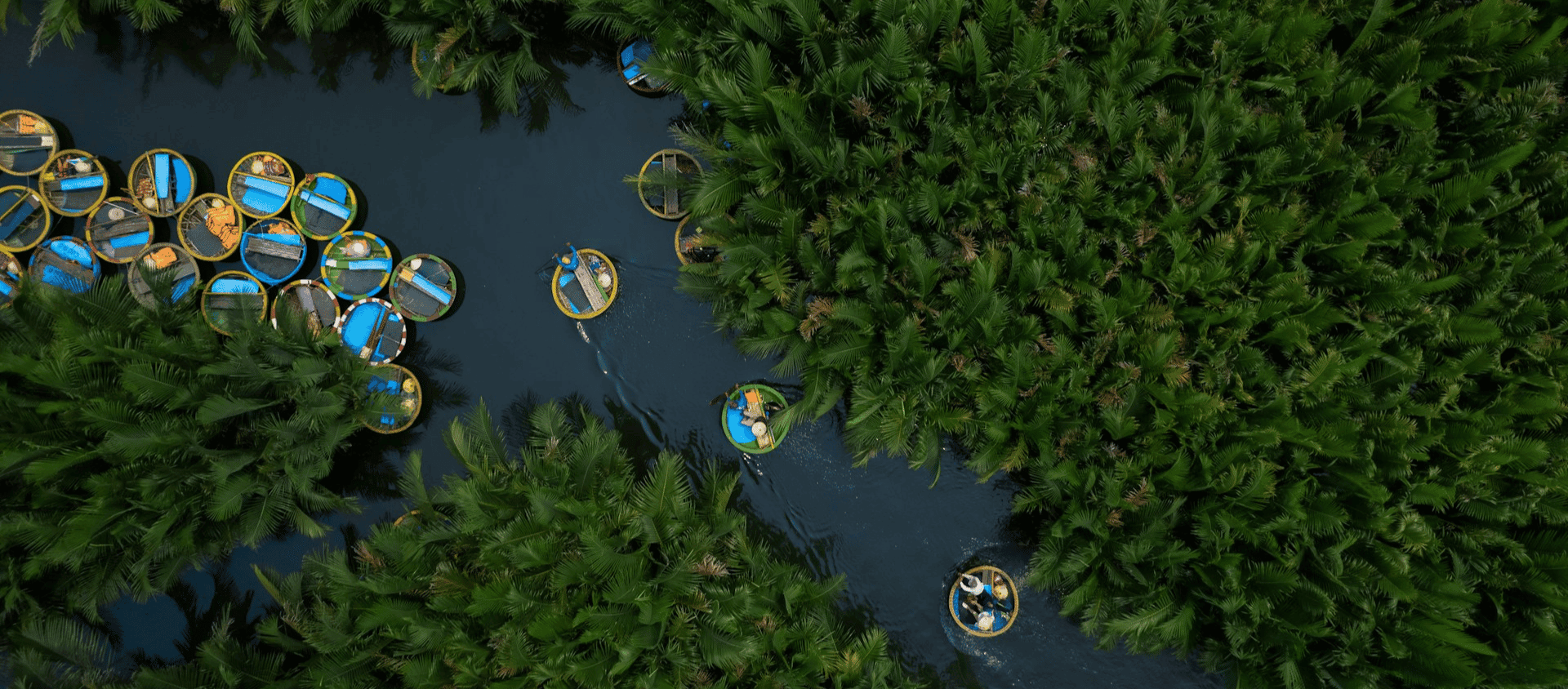
The hidden gem of Vietnam is found in the middle of the country.
Central Vietnam is compact, but it's captivating. Hue, the former imperial capital, is home to a huge citadel and royal tombs along the Perfume River. An hour south over the spectacular Hai Van Pass, Hoi An may be the most romantic town in Southeast Asia, a UNESCO-protected old quarter of yellow shophouses and cafes.
Book a lantern-lit boat ride and spend some time on An Bang Beach. No matter what you do, most call Hoi An their favorite stop of the entire trip.
If you have a spare day in the center, the Marble Mountains just outside Da Nang are worth a visit. Five marble and limestone hills dotted with caves, pagodas, and panoramic viewpoints make for an easy half-day trip that most Vietnam travel guides overlook. Da Nang itself has also grown into a modern beach city with excellent restaurants and a lively waterfront, making it a comfortable base for exploring the region.
The South: Ho Chi Minh City, the Mekong, and the Islands
Best for those who want to see the big city and river-delta life (and a beachy grand finale).
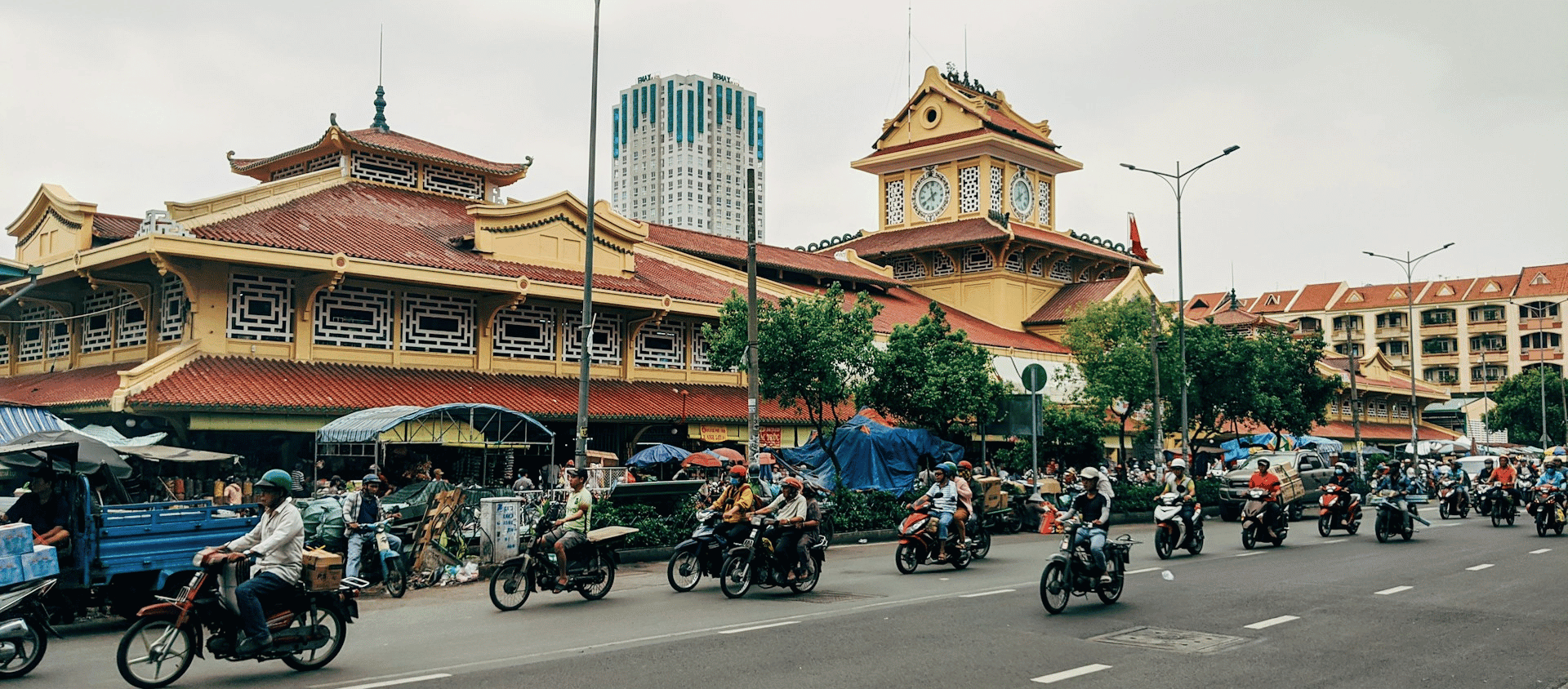
Ready for the cosmopolitan part of Vietnam? Head south!
Ho Chi Minh City (locals still say Saigon) is Vietnam at full volume. You can explore rooftop bars among French-colonial landmarks. Visit the moving War Remnants Museum and grab some excellent street food on every corner.
Once you've explored Ho Chi Minh, take a day or an overnight trip into the Mekong Delta. This spot is full of floating markets and stilt villages along the watery maze of canals.
Does your celebration deserve a beach ending? The island of Phu Quoc offers white sand and calm turquoise waters, plus resorts at prices you won't find in many other destinations.
Phu Quoc has developed rapidly over the past decade and now offers a genuinely impressive range of accommodation, from budget guesthouses to five-star beachfront resorts. The northern and eastern parts of the island remain quieter and less developed, which is worth keeping in mind if you prefer a more relaxed atmosphere over the busier resort strips in the south.
A Classic 10-Day Vietnam Itinerary
While you can certainly get the best of Vietnam in a week, the sweet spot for a first visit is ten days. That's enough to taste all three regions without rushing the experience.
Here's the route we'd plan:
- Days 1 to 3, Hanoi: Old Quarter wandering, street food crawls, and an easy pace to settle in.
- Days 3 to 4, Halong Bay: Overnight cruise among the karsts, kayaks, sunsets, and sea-breeze mornings.
- Days 5 to 7, Hoi An: Fly south to Da Nang and transfer 45 minutes to Hoi An for lanterns, tailors, cooking classes, and beach hours.
- Days 8 to 10, Ho Chi Minh City and the Mekong: Enjoy the big-city energy and the rich history. Take a delta day trip and get in one last feast before flying home.
Have two weeks to spend in Vietnam? Add Ninh Binh or Sapa in the north. You can also finish out a longer trip with three lazy nights on Phu Quoc.
Are you traveling with kids or multiple generations? A fully guided itinerary, such as Adventures by Disney travel, handles the logistics so the whole family can simply soak it in.
If you only have one week, the most popular condensed Vietnam itinerary runs Hanoi, one night on Halong Bay, and then a quick flight south to Hoi An before finishing in Ho Chi Minh City. It's fast, but it gives you a genuine taste of all three regions and leaves you planning your return trip before you've even landed home.
Vietnam Street Food: Come Hungry
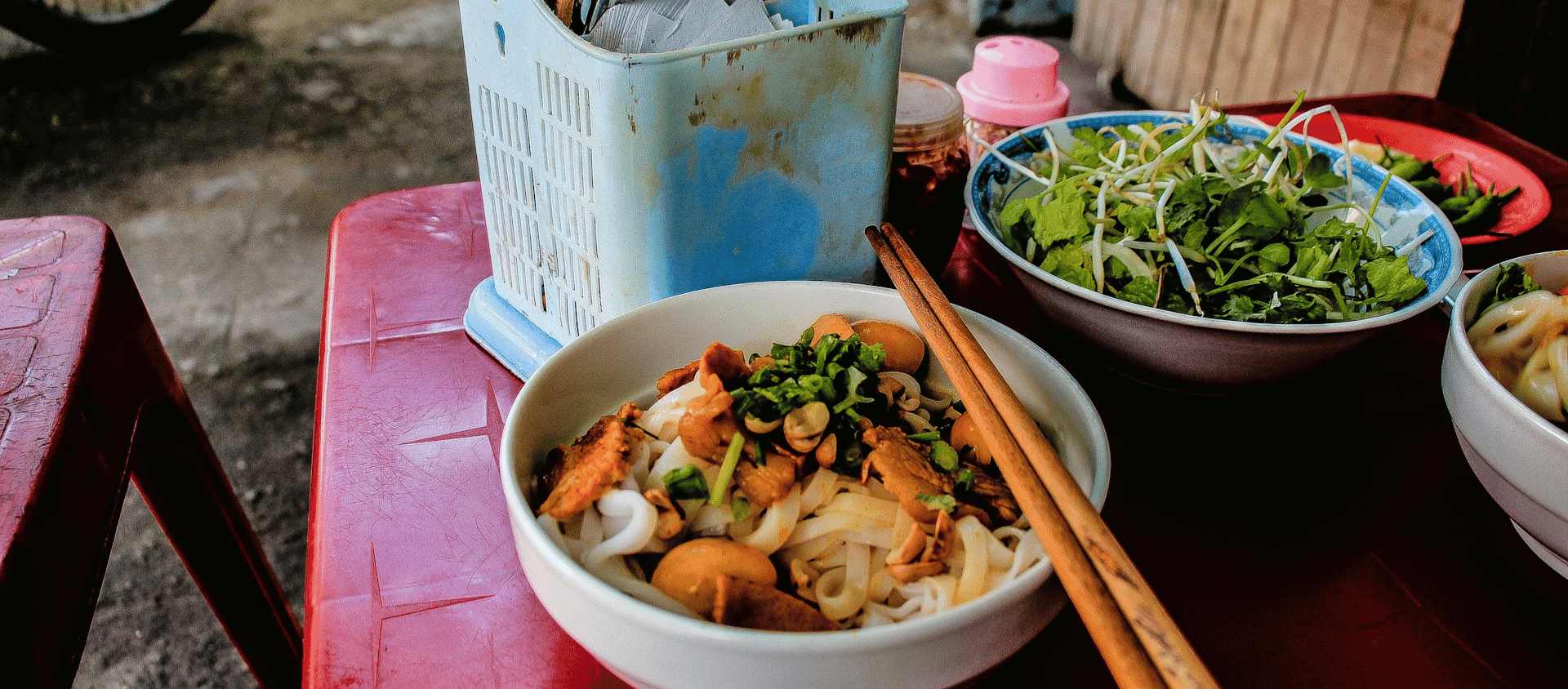
When we talk to those who have taken trips to Vietnam, the one thing they tell us is that the food is worth the trip itself. Vietnam is full of incredible food options, from the Pho in Hanoi at a sidewalk stall to a crackly banh mi from a street cart anywhere in the country.
While visiting, make sure to fill your menu with fresh spring rolls, banh xeo crepes, bun cha, grilled over coals (famously shared by a sitting U.S. president and Anthony Bourdain), and strong iced coffee sweetened with condensed milk. You'll love how accessible it all is, with most food costing somewhere between $1 and $3 per serving.
Each region has its own specialties, so think of the whole trip as one delicious, slow-moving tasting menu. Street stalls with a crowd of locals are nearly always the safest (and tastiest) bet.
One of the best investments you can make on a Vietnam trip is a street food tour with a local guide. For around $20 to $40 per person, a good guide will take you to spots you would never find on your own, explain the history behind each dish, and help you navigate the ordering process with ease. Most major cities offer these tours both on foot and by motorbike, and both are well worth the experience.
Considering Vietnam for a Celebration?
Since your money goes so far in Vietnam, celebrations in Vietnam can actually be pretty lavish!
Honeymooners can book the five-star hotel as well as a private Halong cruise cabin with a balcony, and still spend less than a standard trip elsewhere.
Hoi An is excellent for taking anniversary photos among the lanterns. Consider getting a tailor-made dress or suit made by the skilled tailors in the country, and don't leave before you release a paper lantern onto the river together!
For graduation trips and friend groups, there's tons to do and see. Take in street-food crawls, motorbike food tours, and end it all on the beach.
When you book with Celebration.com Travel, you can rest easy knowing that every single detail of your trip will be handled with care. Fill out our interest form to get started planning your dream vacation today!
When is the Best Time to Visit Vietnam?
Vietnam stretches more than 1,000 miles north to south, naturally, the weather will be quite different depending on the area you're in. That's a good thing, because it means there's no "bad time" to visit the country, just different trade-offs:
- North (Hanoi and Halong Bay): Best from October through April, with cool, clear days. Summer brings heat and occasional storms, but you'll also find great cruise discounts.
- Center (Hoi An and Hue): This region is excellent from February through August, with the heaviest rainfall in October and November.
- South (Ho Chi Minh City and Phu Quoc): You'll find that Vietnam's south is warm year-round. The region's dry season runs from December through April.
- The sweet spot: While there's no "best time" to visit, the months of March, April, and early spring offer the most pleasant weather across all three regions.
For couples planning a honeymoon, the best time to visit Vietnam is generally February through April. The weather is pleasant across all three regions, the holiday crowds from Tet have cleared, and the light during these months is particularly beautiful for photography. If your dates are flexible, this window is consistently the most popular among celebration travelers for good reason.
Celebration.com Travel Tip: If you're in Vietnam around Tet, the Lunar New Year (usually late January or February), you'll find the country alive with festivity. It's a great time to visit, but you'll find it's quite busy. Transport books out, and many businesses close for the holiday week, so make sure to plan well ahead.
Costs and Practical Tips for Vietnam
- Your budget goes far in Vietnam: You'll love how far your money goes for an incredible experience. Mid-range travel, nice hotels, restaurant meals, domestic flights, runs about $75 to $150 per person per day.
- Fly the long hops: Flights from Hanoi to Da Nang or Saigon are frequent and inexpensive, so you can save time and money over longer driving days.
- Sort your visa early: Most travelers need an e-visa, apply online before you fly.
- Carry small cash: Vietnam runs on dong, and small bills make street food and markets effortless. Plan ahead and carry your cash carefully while in-country.
- Cross streets with confidence: Vietnam moves quickly, so you'll want to be prepared! Move slowly and steadily through scooter traffic, it flows around you like water. After a day or two, you'll feel like a regular!
- One practical tip that most Vietnam travel guides skip: download the Grab app before you arrive. Grab is Southeast Asia's equivalent of Uber and works seamlessly across Vietnamese cities. It removes the stress of negotiating fares with tuk-tuks or taxis, and it's both reliable and very affordable. It's one of those small things that makes a big difference to the day-to-day flow of your trip.
Frequently Asked Questions
Do I need a visa to visit Vietnam?
Most travelers need an e-visa to enter Vietnam, which can be applied for online before departure. The e-visa is valid for up to 90 days and covers both tourism and transit. Processing typically takes three business days, so apply at least a week before you fly to be safe. Always confirm the latest requirements on the official Vietnam Immigration Department website before booking.
Is Vietnam safe for tourists?
Vietnam is generally very safe for tourists. Petty theft, particularly bag snatching from motorbikes, can occur in busy urban areas like Ho Chi Minh City, so keep bags close and avoid displaying valuables on the street. Outside of that, most travelers move through the country without any issues. Solo travelers, including solo female travelers, consistently rate Vietnam as one of the more welcoming and comfortable destinations in Southeast Asia.
How many days do you need in Vietnam?
Ten days is the sweet spot for a first Vietnam itinerary, giving you enough time to cover the north, center, and south without feeling rushed. Seven days is doable if you focus on two regions and take domestic flights. If you have two weeks or more, you can add Sapa, Ninh Binh, or extra beach time on Phu Quoc.
What is the currency in Vietnam and how much cash should I carry?
Vietnam's currency is the Vietnamese dong (VND). Credit cards are accepted at hotels and larger restaurants, but cash is essential for street food, markets, and smaller guesthouses. ATMs are widely available in cities and tourist areas. A daily cash budget of around $30 to $50 per person covers meals, transport, and incidentals comfortably.
Can I combine Vietnam with other Southeast Asian destinations?
Absolutely. Vietnam pairs naturally with Cambodia (Angkor Wat is just a short flight from Ho Chi Minh City), Thailand, and Laos. A two-to-three week trip combining Vietnam with one neighboring country is one of the most popular itineraries in Southeast Asia and gives you a much richer sense of the region as a whole.
Your Vietnam Adventure Awaits
Are you planning your honeymoon? Our guide on how to plan the perfect honeymoon pairs beautifully with this one!
Maybe a graduation trip, or the adventure you've promised yourselves for years? No matter why you're traveling, Vietnam delivers more wonder per day (and per dollar!) than almost anywhere else in the world.
If you're planning an adventure to Vietnam, Celebration.com is a great place to start. You can create a free travel registry for your trip, which lets friends and family help fund the experience.