

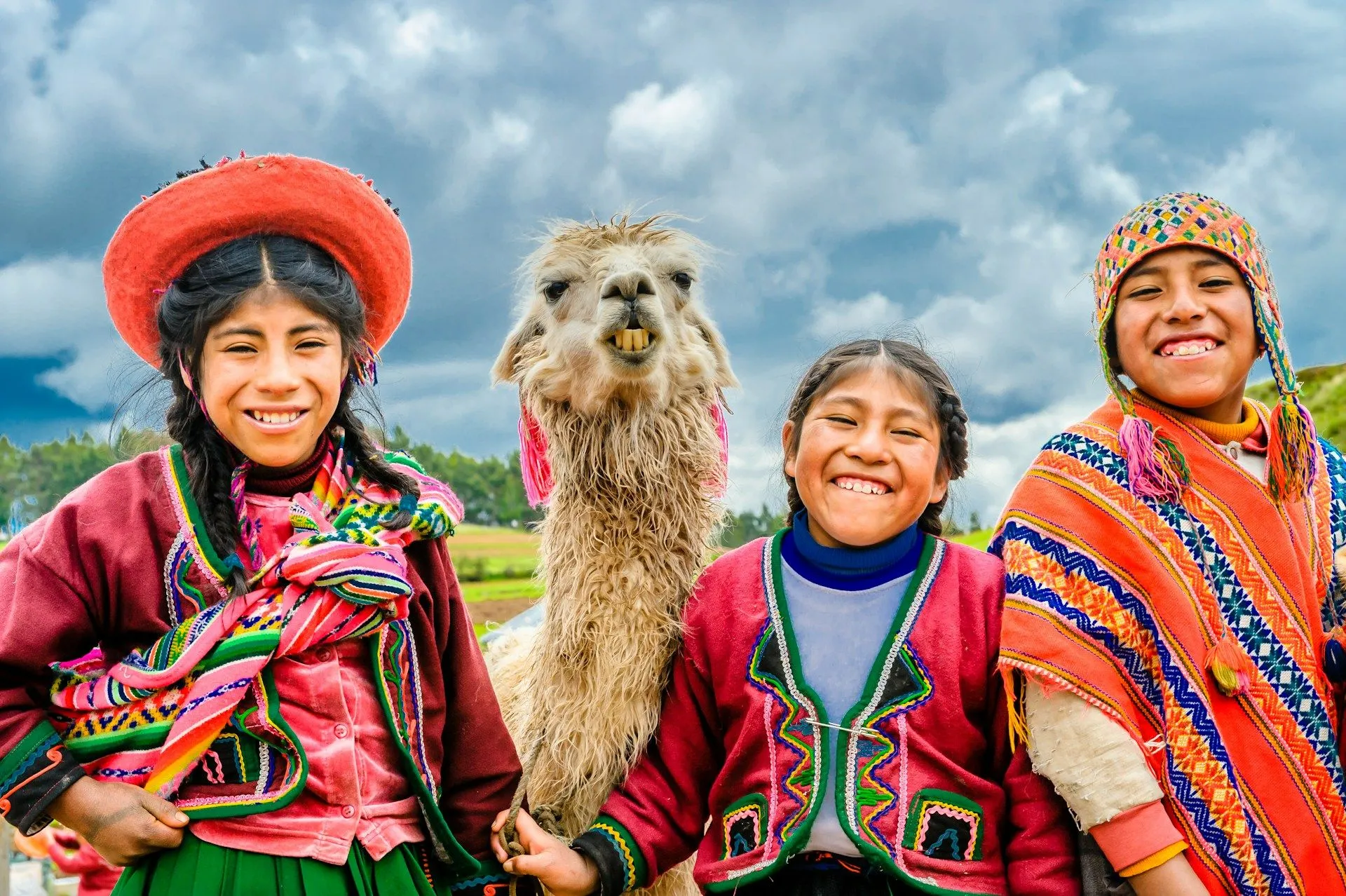
There are some trips that are well worth saving for. And Peru fits that bill on many fronts.
It doesn't matter whether you're planning a honeymoon or a milestone birthday, Peru is packed with incredible things to see and do. Plus, the people are some of the friendliest you'll meet around the world!
Peru folds three worlds into one unforgettable trip, and this guide will help you plan it all.
Why Should Peru Be on Your Celebration List?
Peru is unique as a country because it feels like several countries packed into one. In one trip, you can look at 15th-century Inca stonework one day and visit floating reed islands on Lake Titicaca the next.
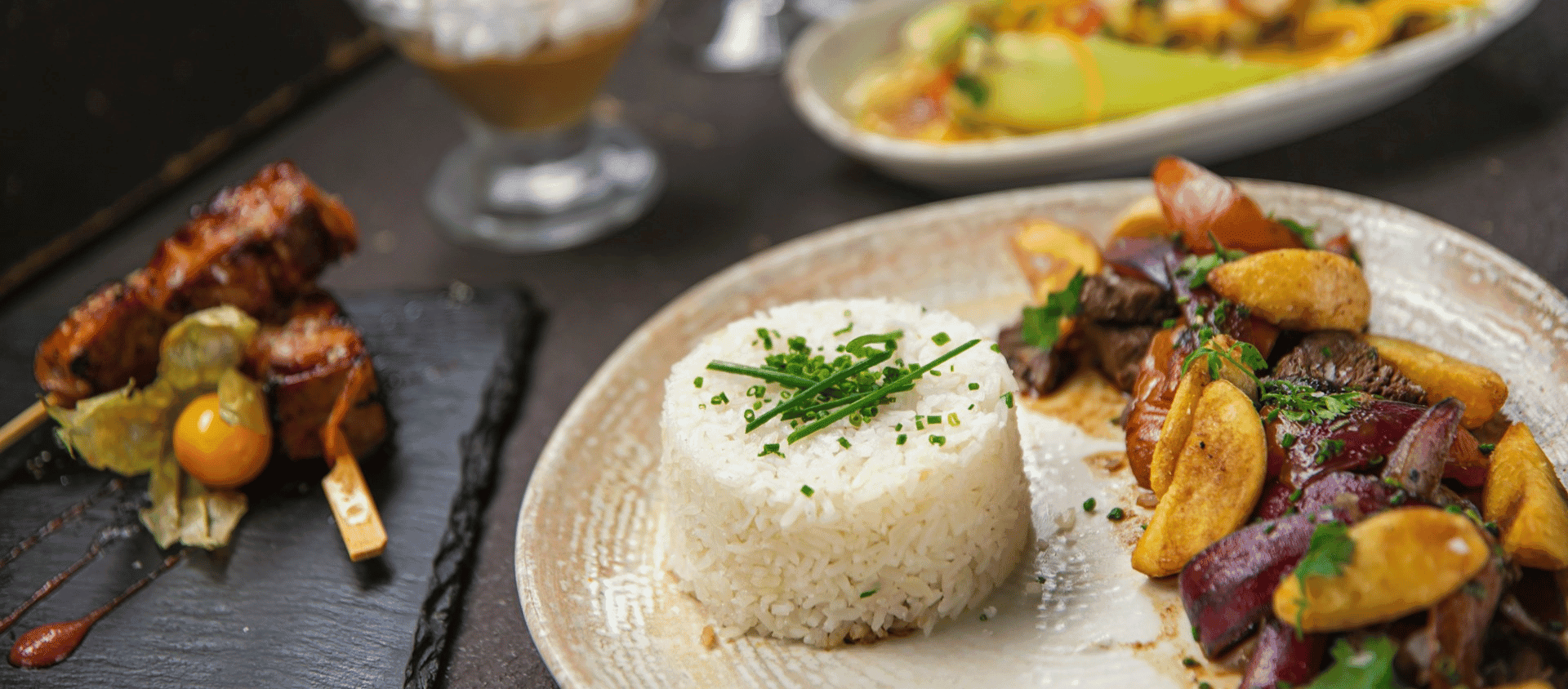
Plus, the food is worth coming hungry for. You'll be tasting your way through one of the world's great food cities and, if you'd like, you can fall asleep to the sound of the rainforest.
Best of all, Peru pairs once-in-a-lifetime adventure with genuinely affordable prices. That combination makes it a dream for couples, friend groups, and families looking to celebrate something special together without the trip feeling out of reach.
When is the Best Time to Visit Peru?
If you're a seasoned traveler, you know that there's truly no "bad" season to visit somewhere. The timing really depends on what you want to do and how much you'd like to spend:
- Dry season (May through September): During the dry season, you can spend your days under blue skies. This is prime trekking weather, and when you'll get the clearest Machu Picchu views. This is peak season, though, so expect the biggest crowds and prices that climb 30 to 50 percent!
- Shoulder months (April and October): This is the sweet spot for many travelers. During shoulder months, you'll find pleasant weather and much thinner crowds. Plus rates are better.
- Wet season (November through March): It may be wetter, but you'll see the lowest prices of the year (and far fewer travelers!) Just pack a light rain layer, and you'll be good to go. Note that the famous Inca Trail closes each February for maintenance.
Pro Tip: Many of Peru's highlights, Cusco, the Sacred Valley, and Lake Titicaca, are located at higher altitudes. This means you should plan on spending two or three easy days to acclimatize before any big hike. Your body will thank you!
Things to Do in Peru, Region by Region
Peru rewards travelers who plan around its geography rather than a simple checklist. Here's how to think about the highlights, region by region.
Cusco and the Sacred Valley
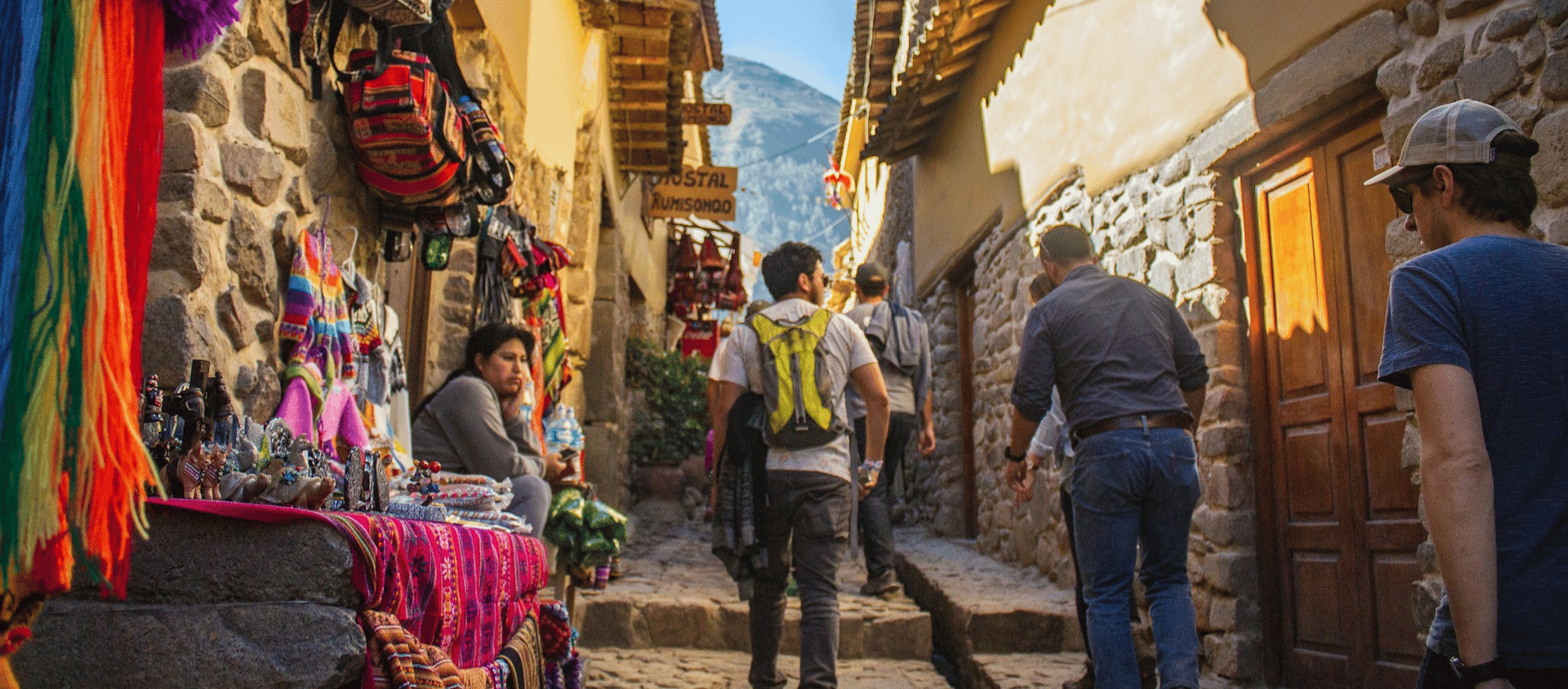
Best for those who want to see Peru's history and the unforgettable gateway to Machu Picchu.
Cusco, the ancient Inca capital, is where most Peru adventures begin.
You'll fall in love with the cobblestone streets and golden colonial churches. The buzzing San Pedro Market is also a must-visit.
Just beyond the city, the Sacred Valley awaits you. You'll see terraced ruins at Pisac and Ollantaytambo, and you can explore lively artisan villages. Full-day Sacred Valley tours run about $50 to $80 per person and take all the guesswork out of getting around.
Pro Tip: Spend your first nights in the Sacred Valley rather than Cusco itself. It sits at a lower elevation, which makes acclimatizing noticeably gentler before you head higher.
Lima, the Coastal Food Capital
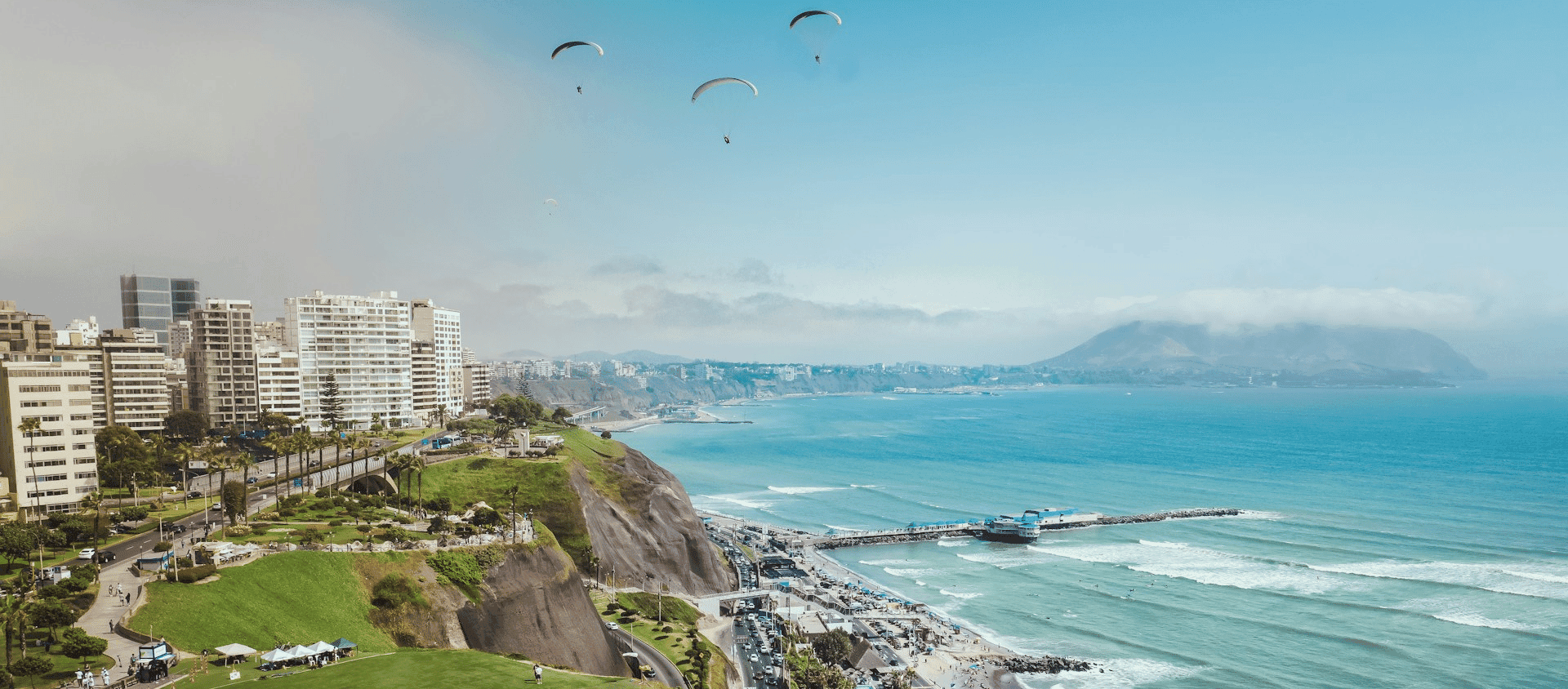
Best for those who want to dine on world-class cuisine and explore in style.
Most international flights will land in Lima, but the city is worth far more than a quick layover.
The seaside Miraflores and bohemian Barranco neighborhoods should be at the top of your list, as their dining scene consistently ranks among the best on the planet.
This is the birthplace of ceviche, so plan a celebratory dinner overlooking the Pacific!
Beyond the Icons
Best for those who want to slow down and see a wilder side of Peru.
If you have more space in your calendar, there's still plenty to see and do in Peru.
- Glide past the reed islands of Lake Titicaca near Puno
- Marvel at the candy-striped slopes of Rainbow Mountain
- Wander the white-stone city of Arequipa with Colca Canyon nearby
- See monkeys and macaws at an Amazon lodge near Puerto Maldonado
For families or multigenerational groups who'd rather leave the heavy planning to the pros, a fully guided option like Adventures by Disney travel takes the guesswork out of much of your planning.
Machu Picchu Hiking Tours: What's the Best Route?
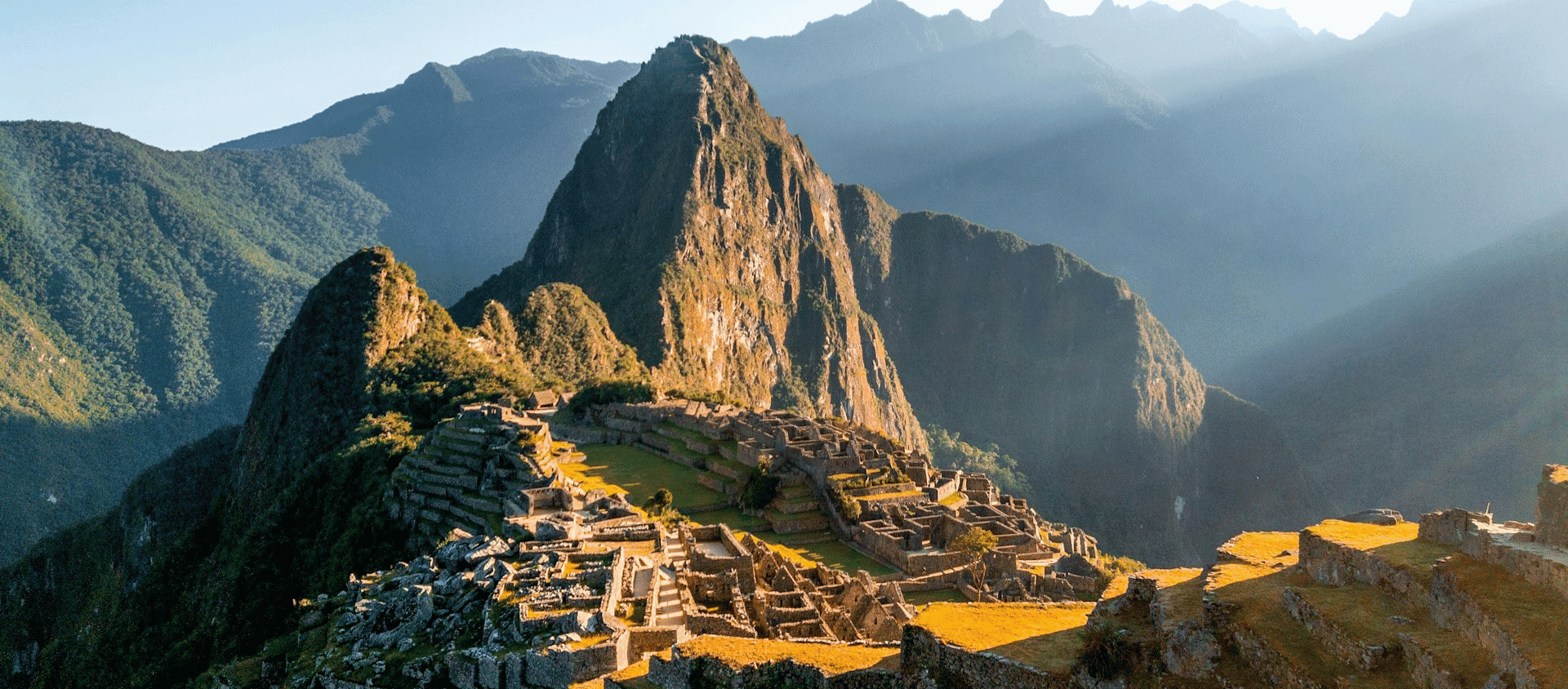
The easiest decision you'll make in Peru is whether or not to see Machu Picchu. The harder part is finding the right route.
The good news is that there's a route for every comfort level and timeline (and hiking is only one option!)
- Classic Inca Trail (four days): This iconic trek ends at the Sun Gate as the sun rises over the citadel. You can expect to pay roughly $850 to $1,500 per person through a licensed operator. Permits are strictly limited and sell out six or more months ahead, so plan early.
- Salkantay Trek (five days): This one's slightly more rugged, but well worth the views as you hike past snowcapped peaks and misty forest.
- Lares Trek (four days): The Lares trek is a quieter, culture-rich route through traditional Andean villages.
Short Inca Trail (two days): Want a gentler taste of the trail? This one's great for those with less time or energy to spare, and it often comes at a lower price. - The train: Prefer to skip the trek entirely? Scenic trains carry you from the Sacred Valley to Aguas Calientes in total comfort, with day tours from about $320.
Whichever route you choose, you'll need a separate Machu Picchu entrance ticket. Prices range from around $50 to $65 depending on the circuit you select. It's a requirement worth noting for 2026.
Pro Tip: Independent hiking on the Inca Trail isn't permitted, so always book through a licensed operator. The earlier you reserve, the better your choice of dates and the better your price.
A Sample Peru Itinerary
Short on time? Here's a classic route through Peru that balances the must-see icons with a little breathing room each day.
- Days 1 to 2: Arrive in Lima, explore Miraflores and Barranco, and savor a celebratory ceviche dinner by the ocean.
- Days 3 to 4: Fly to Cusco and settle into the Sacred Valley to acclimatize, exploring the ruins of Pisac and Ollantaytambo.
- Day 5: Travel to Machu Picchu by train, or finish your trek, and tour the citadel with a guide.
- Days 6 to 7: Return to Cusco for markets, museums, and one last Andean feast before heading home.
In only a week, you'll have hit most of the highlights without feeling rushed. Have more time? Add a few days for Lake Titicaca, Rainbow Mountain, or an escape to the Amazon.
Peru Travel Costs and Smart Planning Tips
Peru is one of South America's best values, and that makes it ideal for groups pooling their resources toward a shared celebration. A self-directed traveler can get by on $35 to $100 a day on the ground. A comfortable mid-range trip runs from $150 to $250 per day.
Here are a few tips to make everything flow much more smoothly before and after you arrive:
- Book Machu Picchu and treks first: Permits and entrance tickets are daily-capped and sell out months in advance during high season. Lock these in before anything else.
- Fly between regions: A short Lima-to-Cusco flight ($80 to $180) saves a long overland day and gives you more time to explore.
- Eat the menu del dia: These set lunches at local restaurants are fresh and often just a few dollars.
- Carry small bills in soles: Markets, taxis, and smaller towns aren't always card-friendly, so always keep a little cash on hand!
- Pace yourself with altitude: Hydrate, hydrate, hydrate! You're at a higher altitude, so take the first couple of days slowly.
Getting There and Quick Logistics
Most travelers reach Peru on a direct or one-stop flight into Lima from major U.S. hubs, then connect onward to Cusco for the Sacred Valley and Machu Picchu.
A few quick logistics to keep in mind before you go:
- Currency: The local currency is the Peruvian sol (PEN). Carry small bills for markets and taxis, and use cards in larger hotels and restaurants.
- Language: Spanish is the official language, with Quechua widely spoken in the Andes. A few basic Spanish phrases go a long way with locals.
- Visa: U.S. citizens do not need a visa for tourist stays of up to 183 days, but your passport should be valid for at least six months. Always confirm the latest entry rules before you travel.
Your Peru Adventure Awaits
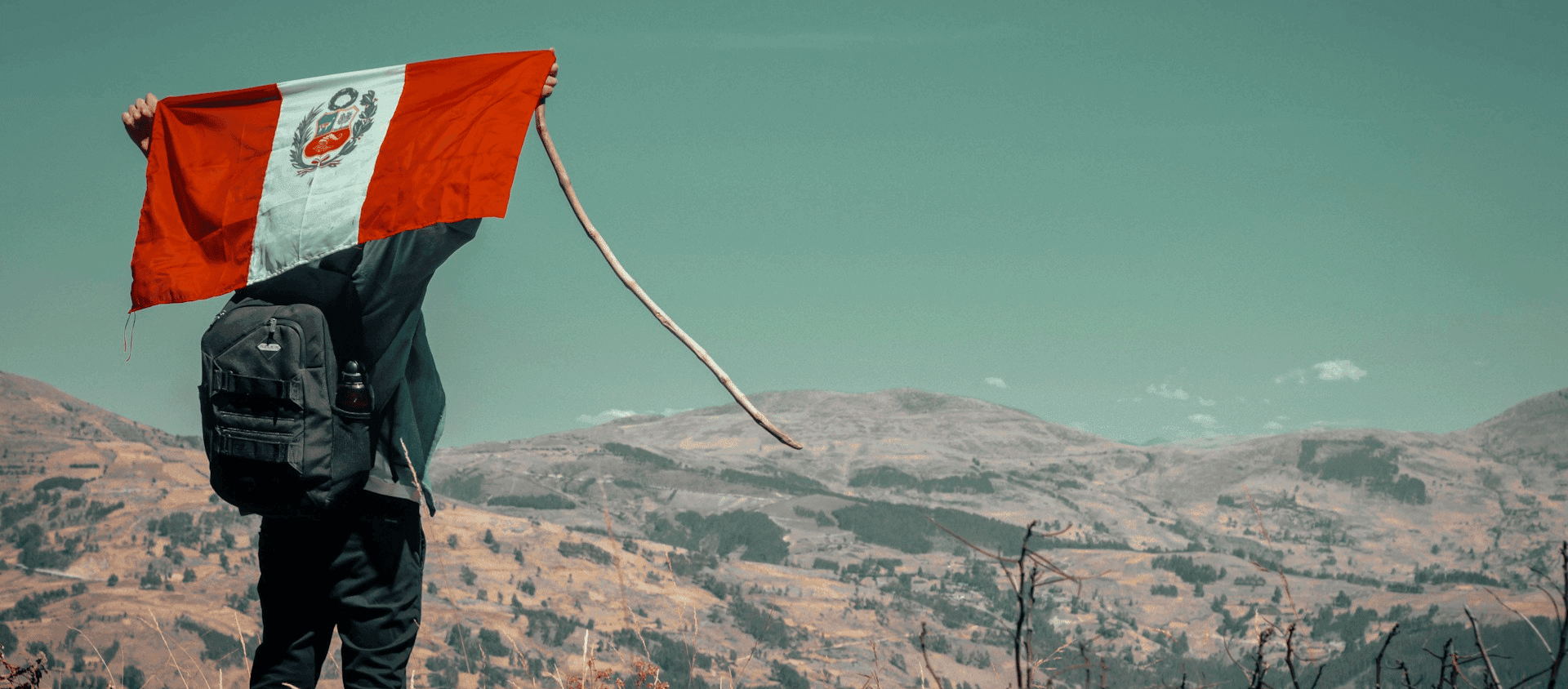
A trip to Peru is a celebration in itself. Where else can you see some of the world's most extraordinary places with the people you love?
And coordinating all of this, flights, trains, permits, lodges, and tours, is where a little expert help pays off. A trip this special doesn't have to be complicated when someone is keeping every detail organized for you.
Ready to start dreaming? Create a free travel registry and let your friends and family help make your bucket-list trip a reality.
And when you're ready to make it official, book with Celebration.com Travel and rest easy knowing that every single detail of your trip will be handled with care. Fill out our interest form to start planning your dream Peru vacation today!
Frequently Asked Questions
What is the best time to visit Peru?
The best time to visit Peru is the dry season from May through September, when you get clear skies and the best Machu Picchu views. This is also peak season, so crowds and prices are highest. The shoulder months of April and October offer a balance of good weather, thinner crowds, and lower rates.
Is Peru safe to travel to?
Peru is generally safe for travelers who stick to well-touristed areas like Cusco, the Sacred Valley, Lima's Miraflores, and Machu Picchu. Use the same common-sense precautions you would anywhere: keep valuables secure, use registered taxis or rideshares, and stay aware in crowded markets. Booking key logistics through a licensed operator adds another layer of peace of mind.
How do you get to Machu Picchu?
Most visitors reach Machu Picchu by taking a scenic train from Cusco or Ollantaytambo to Aguas Calientes, then a short bus or hike up to the citadel. Adventurous travelers can instead trek in on the Classic Inca Trail, Salkantay, or Lares routes. Either way, you'll need a separate timed entrance ticket, and trek permits sell out months ahead.
How far is Machu Picchu from Lima?
Machu Picchu is roughly 680 miles southeast of Lima, and you cannot drive there directly. The standard route is a short flight from Lima to Cusco, then a train into the Sacred Valley toward Aguas Calientes. Plan on a full travel day to make the connection comfortably.
How many days do you need in Peru?
A week is enough to see Peru's signature highlights of Lima, Cusco, the Sacred Valley, and Machu Picchu without feeling rushed. With 10 days or more, you can add Lake Titicaca, Rainbow Mountain, or an Amazon lodge. Build in two or three easy days early on to acclimatize to the altitude.
How much does a trip to Peru cost?
A budget-conscious traveler can manage $35 to $100 per day on the ground, while a comfortable mid-range trip runs $150 to $250 per day. Major add-ons like the Inca Trail ($850 to $1,500) and Machu Picchu entrance tickets ($50 to $65) are separate. Pooling resources through a travel registry makes a milestone trip far more attainable.