

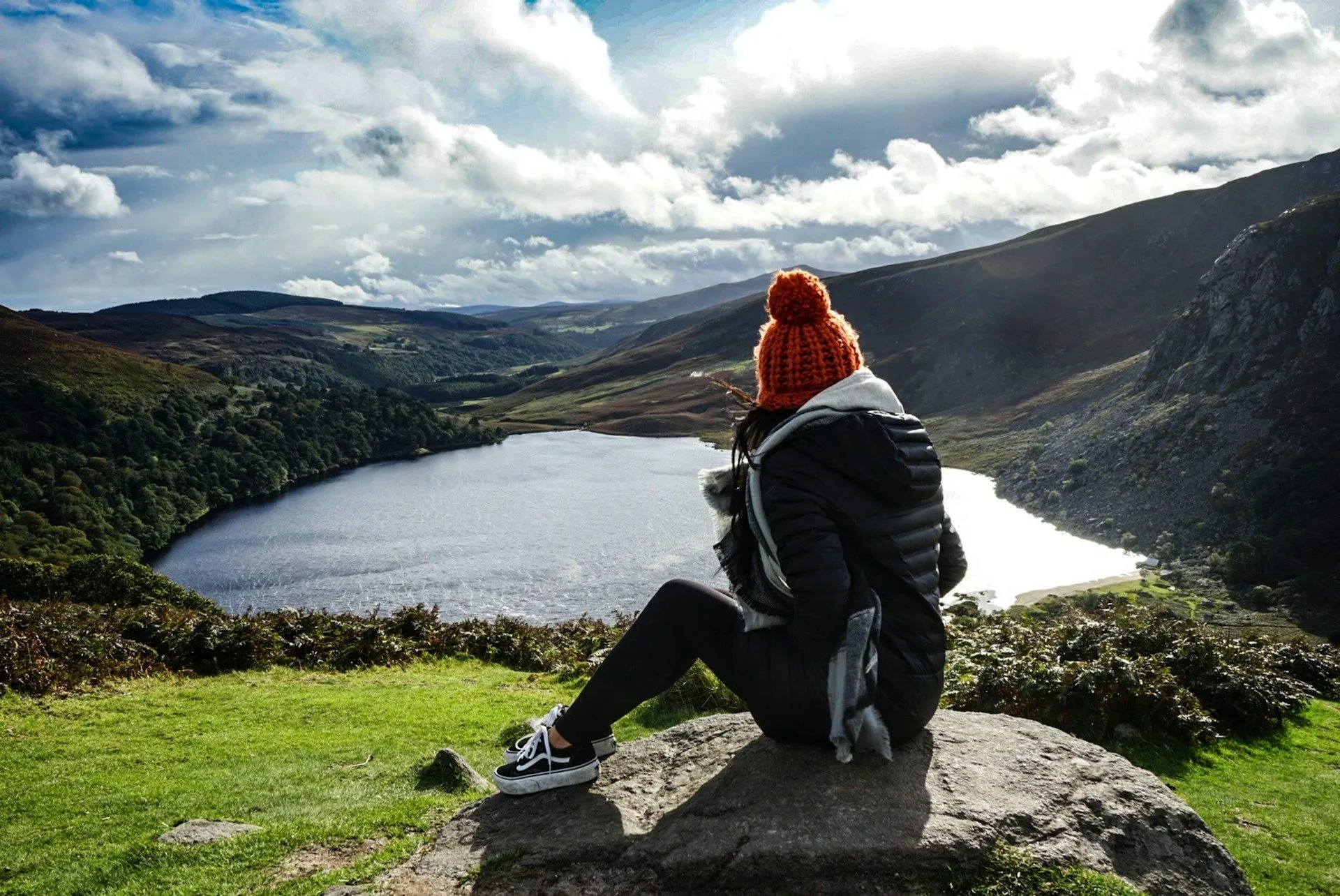
Ireland is truly an underrated place to visit if you're after a romantic escape or a cultural adventure with its rolling green hills, Guinness on tap and ancient castles.
If you are thinking of going to Ireland and need some inspiration for your trip, our Ireland travel guide below has the best places to visit in Ireland, top attractions, and an example 7-day Ireland itinerary guide.
Why Travel To Ireland?
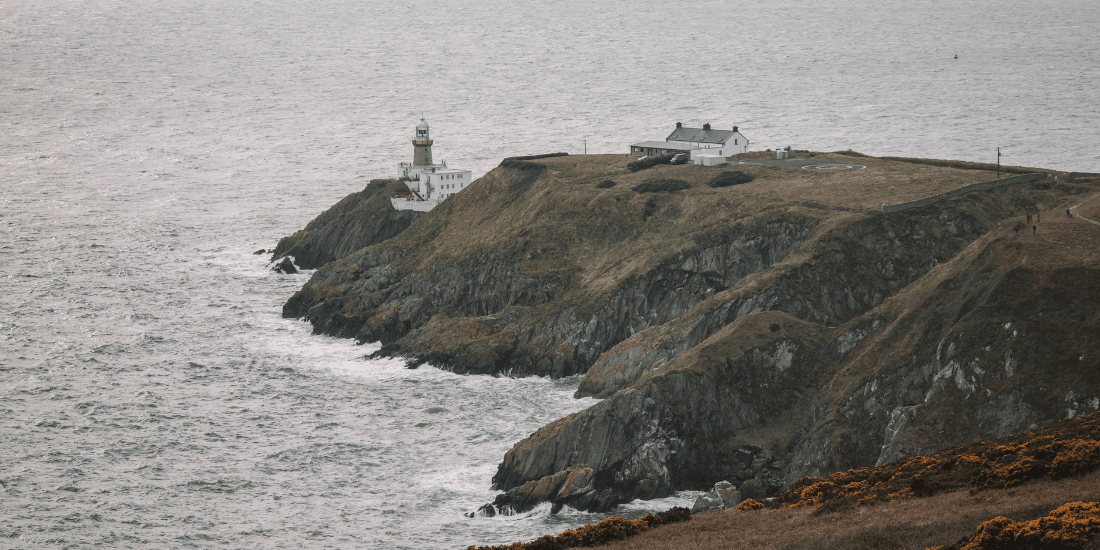
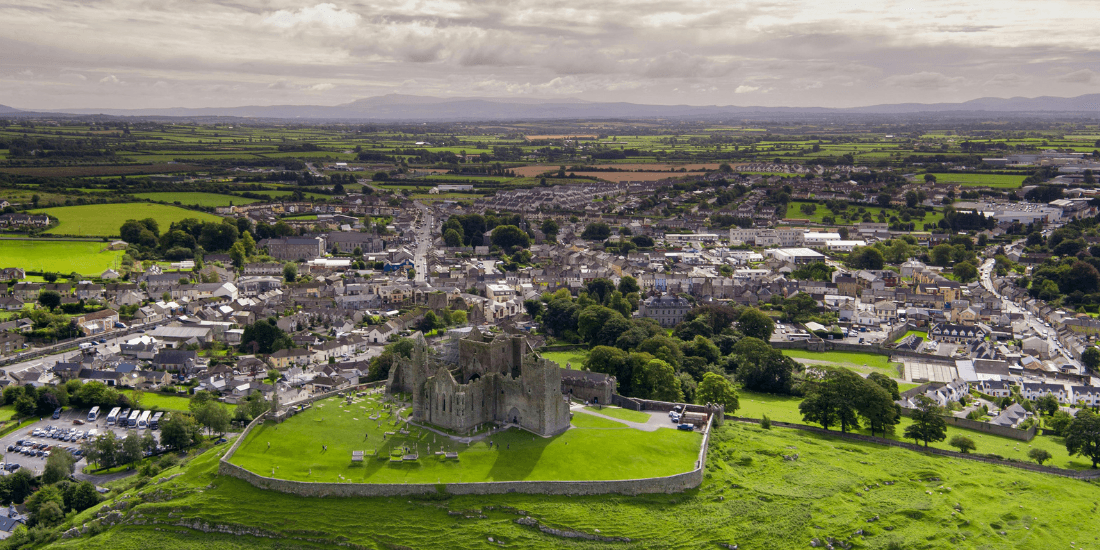
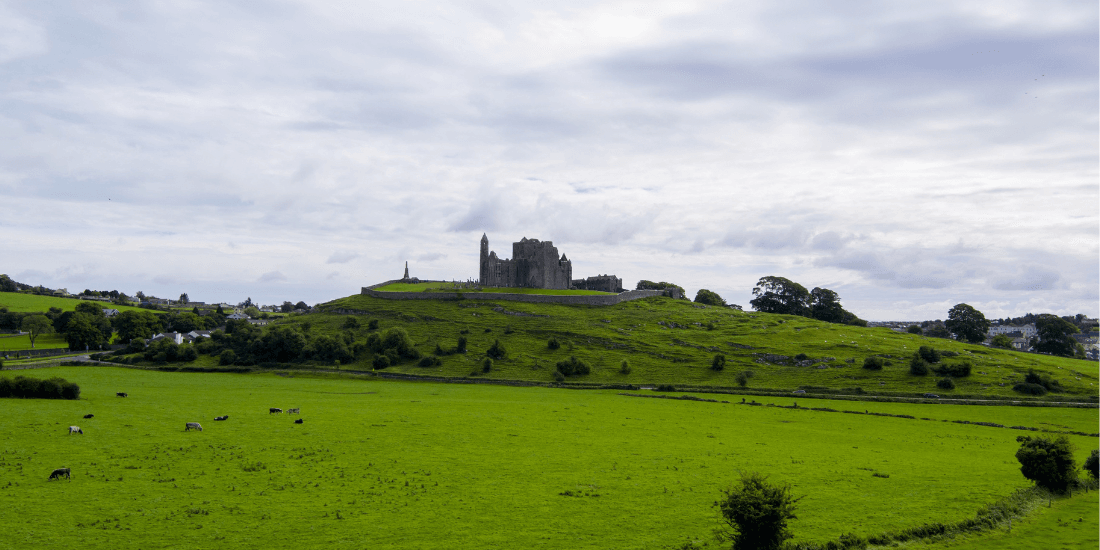
Not everyone wants tropics and beaches. Some think of adventure and think of castles, ancient ruins and rich culture, and this is exactly what Ireland has to offer. Ireland is full of jaw-dropping natural landscapes, from rugged seaside cliffs to green hills, and more than 30,000 castles and ruins throughout the country.
Ireland Travel Advice
Before we get into our travel guide, check out this travel advice so you are fully prepared for your Ireland trip.
- The best time to visit Ireland: May to September is the best time to visit Ireland, it is also when most of the tourist attractions are open, since it's the most popular time to travel. The weather is unpredictable but that's part of the adventure! Travel to Ireland costs vary according to how long you go for and the accommodation chosen.
- Currency: The Republic of Ireland uses Euro while Northern Ireland uses British Pound.
- Transportation: Ireland has many public transport options, such as buses and trains. However, since road trips around Ireland are so popular, you may consider renting a car. Just remember that you will be driving on the left, many rural roads are narrow, and most rental cars are manual, so request an automatic early if you need one. If you are mainly staying in cities like Dublin, Galway, and Cork, the train and bus network connects them comfortably without a car.
- Etiquette: Don't take things too seriously, always smile and wave, and buy someone a drink back if they buy you one. This is part of Irish culture.
How Much Does a Trip to Ireland Cost?
Your budget will depend on the season and how you travel, but a mid-range trip typically runs around €150 to €250 euros per person per day once you factor in accommodation, food, and activities. A car rental adds roughly €40 to €70 euro a day, and city hotels tend to cost more than rural guesthouses, and traveling in the April or October shoulder season can cut accommodation rates noticeably. Many pubs and small shops in rural areas still prefer cash, so it is worth carrying some alongside your card.
The Best Places To Visit In Ireland
There are so many places worth visiting in Ireland.
Some of our favorite locations we recommend stopping by are:
- Dublin: This city has a lot of history and culture to explore. Dublin is located by the sea, has traditional pubs, and is the home of Guinness, with the first brewery of Arthur Guinness at St. James's Gate, Dublin, Ireland, in 1759 being located here.
- Galway: Galway makes a perfect homebase for exploring some of Ireland's tourist attractions with easy connections both east and north. Galway also has an amazing food scene and is a short drive to Dunguaire Castle. Bonus: If you visit Galway at Christmas, it has an amazing Christmas market!
- Belfast: This is the birthplace of the RMS Titanic, where you can visit the Titanic Museum, see Belfast Castle, and explore the historical and green spaces on offer.
- Kerry: With moody landscapes, stunning coastlines, and the Ring of Kerry, this part of Ireland is perfect for explorers.
When you visit Ireland, we also recommend these top hotels, from luxury castles to budget-friendly city stays:
- Adare Manor: Located in Limerick, this hotel is a 5-star luxury hotel with an authentic historic character. There are so many different activities on offer here, from golfing to archery and falconry. It's perfect for both couples on a romantic getaway and families.
- Ashford Castle: Set overlooking the Lough Corrib lake in Mayo, on 350 acres of parkland, is Ashford Castle. This hotel offers an indoor pool, lots of activities such as horse riding and golfing, and a spa.
- The Lake Hotel: Located in Killarney, is the Lake Hotel. It offers spectacular views over Lake Leane and is surrounded by a national park. This hotel is perfect for nature lovers who want a more luxurious and wellness-based stay.
- The College Green Hotel: This hotel is located in Dublin and overlooks Trinity College. It is in the perfect location for exploring.
- Hodson Bay Hotel: A more budget-friendly option with views of the Lough Ree Lake and 8km from Athlone Castle. An ideal base for finding Ireland's hidden heartlands.
The Top Things To Do In Ireland
Ireland has so many things to do, whether you want to learn more about the culture and craic or spend time in the great outdoors. You can truly do it all.
Here are some of the top places to visit in Ireland:
- Cycle the Ring of Kerry: This cycle route has some of the most stunning scenic coastal views in the whole of Ireland, with the whole journey totalling about 216km.
- Killarney National Park: The park has more than 26,000 acres of woodland and has historical sites such as Muckross House and Torc waterfall.
- Visit the Guinness Storehouse: Learn about the history of Ireland's most famous drink in Dublin.
- Giant's Causeway: A UNESCO World Heritage Site in Northern Ireland known for its unique hexagonal basalt columns and mythological tales.
- Cliffs of Moher: A seabird sanctuary with stunning views located on the Wild Atlantic Way.
7 Day Ireland Travel Itinerary
If you're planning a 7-day Ireland itinerary, this is enough time to see the country without feeling too rushed. If you have fewer days, focus on a single region such as the Wild Atlantic Way; with ten days or more, you can add Northern Ireland and slower coastal drives.
Day 1 | Dublin to Galway: Travel to Galway, where you'll be based for the next few days. Settle into your accommodation and enjoy exploring Galway's food scene in the evening.
Day 2 | Explore Galway: From Galway, you can explore Connemara, visit Kylemore Abbey or simply take in the views. Enjoy dinner at a traditional Galway Irish pub.
Day 3 | The Cliffs of Moher: As you travel south to Kerry, you will pass through County Clare to see the Cliffs of Moher and the landscapes of the Burren.
Day 4 | Kerry: Explore the coasts of Kerry, whether it's the Ring of Kerry or the Slea Head drive, which tends to be less popular and still boasts some amazing scenic coastal views.
Day 5 | Cork: Visit the famous Jameson Distillery and enjoy your evening in Cork City.
Day 6 | Back to Dublin: Visit the Guinness Storehouse, Trinity College, or Temple Bar, and finish off your holiday with a nice and relaxed evening, exploring what Dublin has to offer.
Day 7: Depart home.
Plan Your Ireland Trip With Celebration.com
Ready to book the Ireland trip of your dreams? Celebration.com can make it simple for you.
We know how overwhelming it can be to design your trip with so many good places to go in Ireland, and that's why we have dedicated trip planners who can create the itinerary of your dreams, whether you're going away for a honeymoon, adventure, or graduation trip.
If you are on a budget and worried how much travel to Ireland costs we can also adjust our itineraries to suit your budget thanks to our extensive network of travel partners.
You can also set up a travel registry on our site so family and friends can contribute to your Ireland trip and make it even more special.
Contact one of our travel planners today by filling in our interest form to start making your dream trip come to life.
Frequently Asked Questions
What is the best time to visit Ireland?
June to early September is the best time to visit Ireland, with milder weather, long daylight, and attractions fully open, but it is also the busiest and priciest season. Shoulder months like April and October mean thinner crowds and lower rates at the cost of shorter, more changeable days. Whenever you go, pack waterproof layers, since rain is part of the adventure.
How many days do you need in Ireland?
Seven days is enough to see the highlights without rushing, covering Dublin, Galway, the Cliffs of Moher, Kerry, and Cork. Five days works if you focus on one region like the Wild Atlantic Way, while ten or more lets you add Northern Ireland and slower coastal drives. Avoid over-packing the route, since Ireland's smaller roads take longer than the distances suggest.
What currency is used in Ireland?
The Republic of Ireland uses the Euro and Northern Ireland uses the British Pound, so a border-crossing trip means handling both. Cards are widely accepted, but carry some cash for rural pubs, small shops, and parking. Notify your bank before traveling to avoid blocked transactions.
Do you need to rent a car in Ireland?
A rental car is the best way to reach spots like the Ring of Kerry and Connemara that are hard to access by public transport. Remember you will be driving on the left, many rural roads are narrow, and most rentals are manual, so request an automatic early. If you are staying mainly in Dublin, Galway, or Cork, trains and buses connect the cities well without a car.
What should you know before visiting Ireland?
Keep things relaxed, embrace the unpredictable weather, and return a round if someone buys you a drink. Book castle hotels and popular tours ahead during the May to September peak, and budget for rural areas often running on cash. Tipping is modest, with around 10 to 15 percent appreciated in restaurants but not always expected elsewhere.