

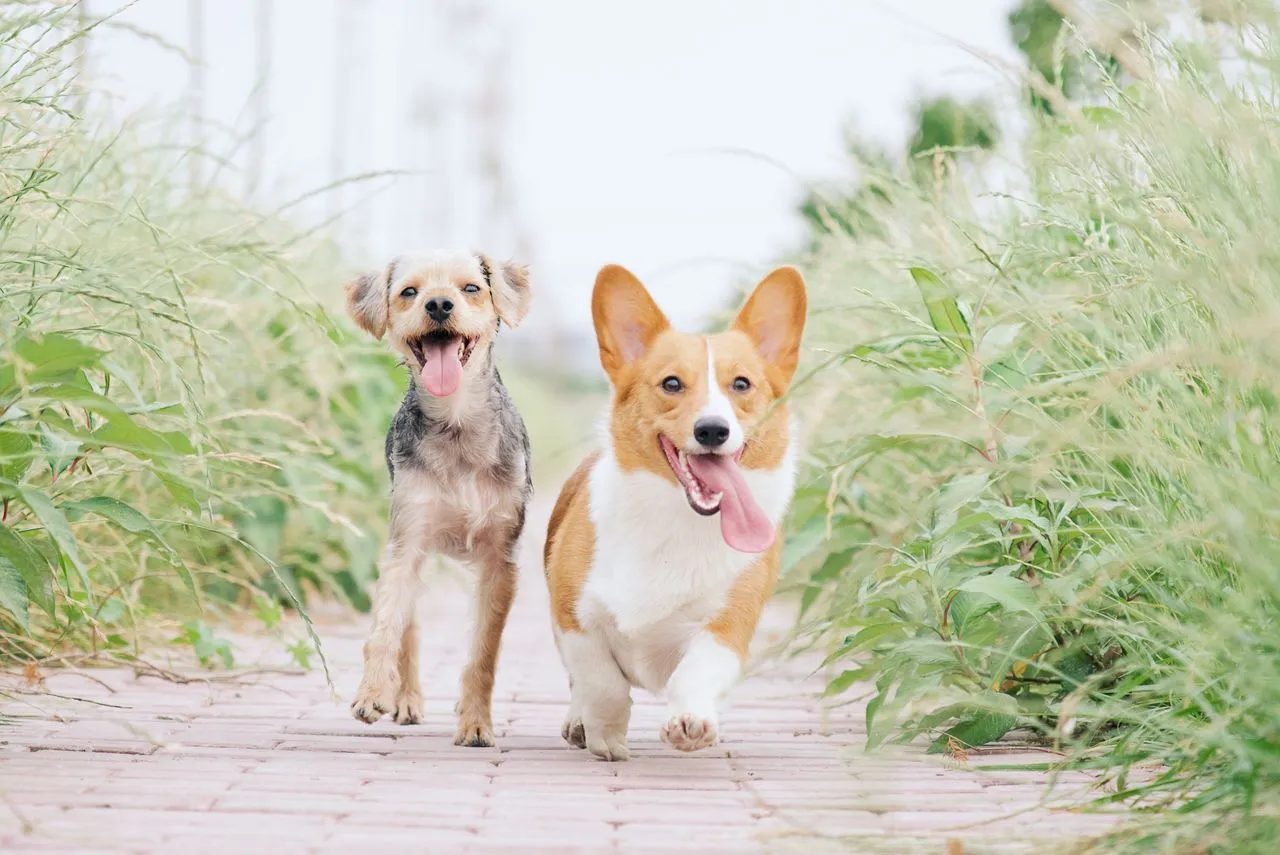
You can make travel plans and not have to leave your pet at home. Traveling with pets can be a wonderful experience. You don't need to feel bad leaving your pet or putting them in a boarding facility.
Whether embarking on a road trip or flying to a new destination, planning and preparing in advance can make all the difference in ensuring a safe and stress-free trip for you and your pet.
In this article, we'll provide you with a guide on how to travel with your pet, covering everything from packing essentials to navigating the challenges of bathroom breaks during air travel!

Before you hit the road or head to the airport, there are a few important things you’ll want to take care of first.
Health Requirements and Safety
Countries, states, provinces, and various destinations may have specific regulations regarding the importation of pets. Some places require specific vaccines or health certificates, while others have strict quarantine procedures.
Make sure to research the requirements well in advance and plan accordingly ensuring that vaccinations are up to date for any area that you are traveling to.
One of the most important aspects of traveling with pets is to do everything you can to make sure you are reunited if separated! One way to ensure your pet is returned to you if lost is through microchipping.
Of course, collars and identification tags can be beneficial, but they can also become damaged, removed, or misplaced. Microchips, on the other hand, are tiny electronic devices implanted under a pet's skin, typically between the shoulder blades.
The microchip contains a unique identification number associated with the pet's owner and veterinarian. When a lost pet is found, a veterinarian or animal shelter can use a handheld scanner to read the information on the microchip and contact the owner.
Thankfully, microchips are about the size of a grain of rice, so our pets don't experience any pain or discomfort during the implantation process.
To recap, following basic pet travel safety tips, like proper identification and microchipping, can significantly improve your chances of being reunited if your pet gets lost.
Lodging
Be sure to do your research on what to do with pets when traveling well in advance when planning a trip. Not all places allow pets but thankfully more and more places are becoming pet-friendly because they are finally beginning to realize that pets are an incredibly important member of the family for many people! Because of this, it’s important to look for pet-friendly hotels that match your needs.
Finding the right place to stay is a key part of pet friendly travel and can make a big difference in your overall experience.
Once you get to your place of lodging, the first thing you'll want to do is to make sure there is nothing in there that can get your pet into trouble. Check under furniture and beds to make sure nothing is lying around that could harm your pet, like harmful chemicals, small choking hazards, etc. Once your place is pet-proofed, set your pet's crate up or lay out their bed and blankets, so they know where to get comfortable.

Once you’ve handled the basics, the next step is making sure you have everything your pet needs for the trip.
What to Pack
Traveling for the first time with your pet can be a fun adventure for you both! As with any adventure, you must be prepared. Here is a list of some of the most important things to pack for your pet:
- Leash and collar with ID tags
- Vaccination records and health certificates
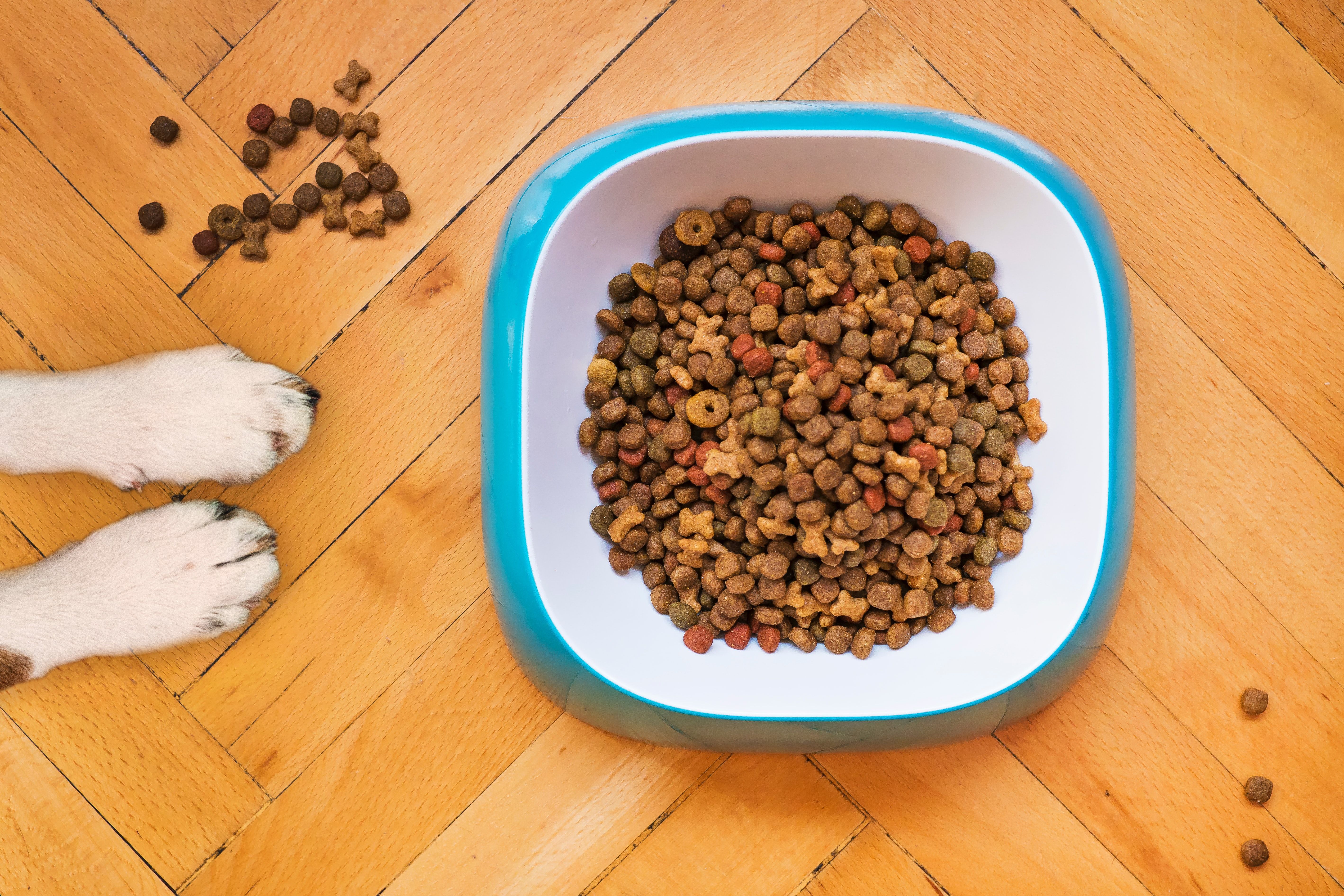
- Your pet's regular food and treats
- Food and water bowls (There are some great collapsible travel-friendly ones on the market!)
- Any medications your pet may require
- A carrier or crate that your pet can utilize during travel and while at your place of lodging
- A couple of your pet's favorite comfy blankets for comfort
- Some of your pet's favorite toys
- Cleaning supplies for any accidents
- Poop bags
It's best to keep things consistent when traveling with your pet. Be sure to pack enough food for all your days of travel plus some extra in case you decide to stay longer or encounter travel delays. Rapidly changing a pet's diet can cause upset tummies, which you'll definitely want to avoid when in a car or plane!
Road Trip
Be sure to get your pet used to driving in the car before you hit the road for a long road trip! Some pets can get quite anxious in cars because they associate it with going to the veterinarian's office or the grooming salon!
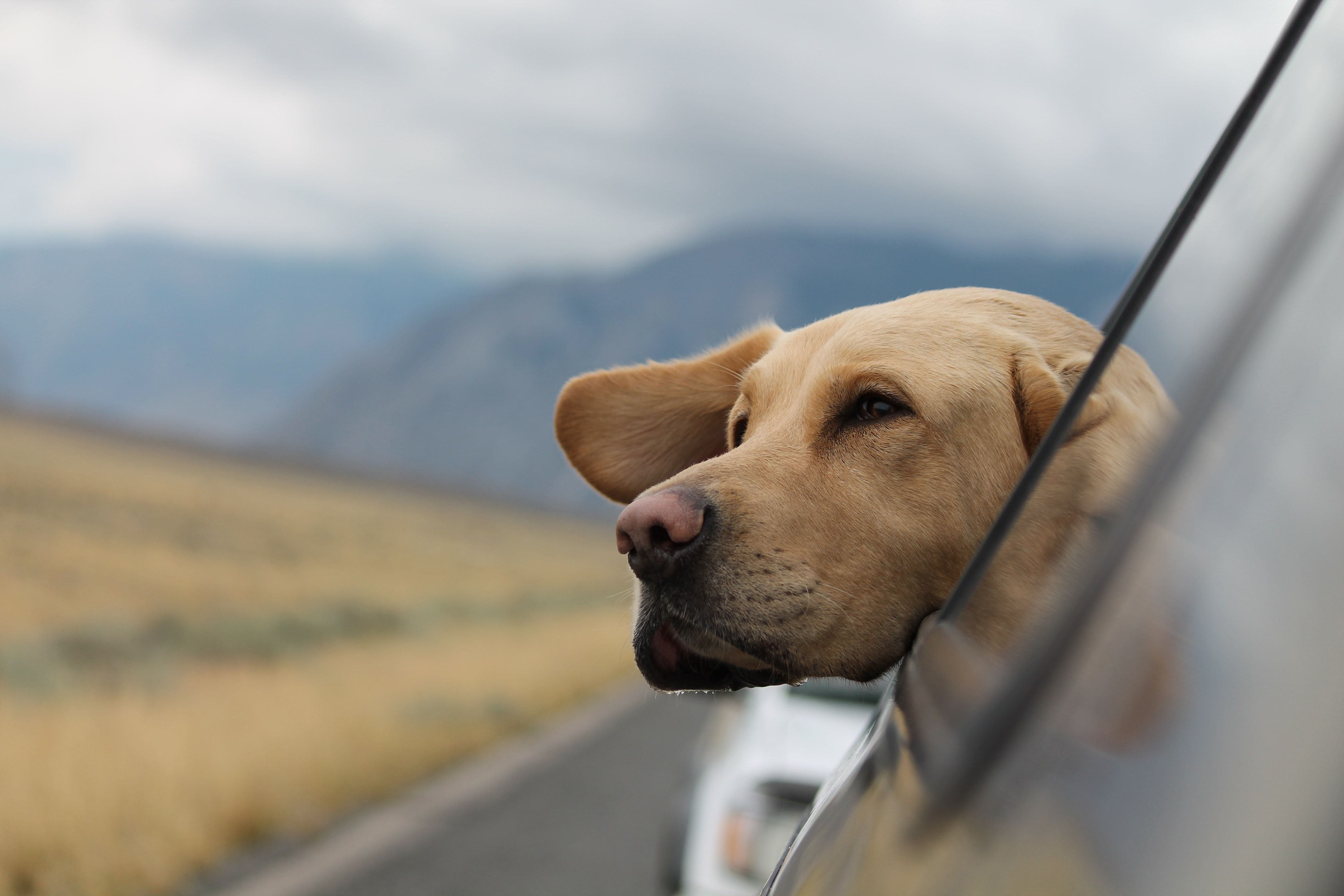
You'll want to practice going for some short drives just around your neighborhood with your pet and focus on making it a positive experience. Bring lots of treats!
Before you start your big trip, invest in a good pet seatbelt and seat belt harness or a crate or booster seat that can be used in the car. Safety is, of course, always the number one priority!
Be sure to bring some of your pet's favorite toys along on your road trip! Ideally, toys that can help keep them busy in the car, like a chew toy. Another great option is to purchase one or two new toys to surprise your pet with during the drive. A new toy can make a long, boring drive a lot more fun!
Air Travel
While it may seem overwhelming at first, air travel with your pet can be a straightforward and easy process when you plan ahead.
The very first thing to do when considering traveling by air is to look into the airlines' policies regarding pet travel. Some airlines have different policies and regulations than others regarding pets.
Some airlines allow pets in the cabin so long as their carrier meets a certain size requirement. Others might only allow pets in the cargo hold. Even in the cargo hold, the crate requirements for pets are usually extensive and vary depending on the airline.
Additionally, some airlines require certificates of health to be provided by a licensed veterinarian as well as proof of vaccinations.
Another thing to consider is bathroom breaks. If your pet is traveling in the cargo hold, it is best to avoid checking in early. Pets traveling in cargo do not get bathroom breaks. The less amount of time a pet has to hold it, the better!
Most airlines will ask that owners put bathroom pads or another absorbent material on the bottom of the carrier. Many also suggest food bowls and specially designed crate water bottles.
If your pet is able to travel in the cabin with you, you'll likely be able to find more opportunities for bathroom breaks. Most major airports have pet relief areas both outside the terminals and inside the terminals.
If you're learning how to travel with your pet by plane, understanding these requirements ahead of time can help you avoid last-minute issues.
Common Mistakes When Traveling with a Pet
Even the most prepared pet parents can overlook a few things when traveling. Avoid these common mistakes to keep your trip smooth, safe, and stress-free for both you and your pet:
1. Not Checking Airline or Destination Restrictions in Advance
It is easy to assume the rules are the same everywhere, but they are not. Airlines, hotels, and destinations all have different policies, and missing something small like a carrier size limit or required document can quickly turn into a major headache at check-in. Taking a few minutes to double-check ahead of time can save you from last-minute surprises.
2. Feeding Your Pet Right Before Travel
It might feel natural to feed your pet before heading out, but doing so can actually lead to nausea during the trip. A better approach is to feed them a few hours before departure so they are comfortable and less likely to experience motion sickness.
3. Forgetting Extra Food, Medication, or Supplies
Travel rarely goes exactly as planned. Delays, detours, or extended stays can happen, and running out of your pet’s essentials is not something you want to deal with on the road or at the airport. Packing a little extra gives you peace of mind and helps keep your pet’s routine consistent.
4. Skipping Practice Trips or Crate Training
If your pet is not used to traveling, jumping straight into a long trip can feel overwhelming for them. Short practice drives or time spent in their carrier ahead of the trip can make a big difference. The more familiar the experience feels, the calmer they will be when it really matters.
5. Booking Accommodations That Are Not Pet-Friendly
Not all “pet-friendly” places are created equal. Some have strict rules about size, breed, or where your pet is allowed to go. When looking at your accommodations, confirming the details ahead of time can help you avoid unexpected fees or uncomfortable situations once you arrive.
6. Not Planning For Bathroom Breaks and Exercise
Pets need regular breaks just like people do. Skipping planned stops during a road trip or not knowing where pet relief areas are at airports can lead to discomfort and unnecessary stress. Planning ahead helps keep your pet comfortable and your trip running smoothly.
7. Leaving Your Pet Alone in Unfamiliar Environments
Even the most well-behaved pets can feel anxious in a new place. Leaving them alone in a car or hotel room can increase stress and create safety risks. Whenever possible, keep them with you or make sure they are in a secure and familiar setup.
Avoiding these common mistakes can make traveling with your pet feel much easier and more enjoyable, so you can focus on the experience instead of the stress.
Plan Your Trip With Confidence!
Traveling with a pet can be a wonderful experience for both you and your pet, as long as you plan ahead and take the necessary precautions. It's important to research your destination's pet policies, pack all the essential supplies, and ensure your pet is comfortable and safe during the journey.
By following the tips outlined in this article, you can minimize stress and maximize the enjoyment of traveling with your pet. Remember to always prioritize your pet's well-being and happiness, and you're sure to have a great time exploring the world together!
For help with your trip, book with Celebration.com Travel. You can rest assured that every single detail of your trip will be handled with care.
Frequently Asked Questions
Can I Bring My Pet In The Airplane Cabin?
Yes, many airlines allow small pets to travel in the cabin if they fit in an airline-approved carrier that can be placed under the seat. Larger pets typically must travel in cargo. Always check your airline’s specific size, weight, and carrier requirements before booking your flight.
What Documents Do I Need to Travel with a Pet?
Most pet travel requires vaccination records, including rabies certificates, and a health certificate issued by a veterinarian, often within 10 days of travel for flights. You should also have updated ID tags, microchip registration, and any destination-specific permits or documentation if traveling internationally.
Is It Better to Drive or Fly with a Pet?
Driving is usually less stressful for pets because it allows for frequent breaks, familiar surroundings, and more control over the environment. Flying is faster for long distances but requires more planning and can be more stressful.
How Stressful Is Traveling for Pets?
Travel can be stressful for pets, especially if they are not used to new environments, confinement, or transportation. However, proper preparation, familiar items, and gradual exposure to travel can significantly reduce anxiety and help pets stay calm throughout the journey.
What Should I Pack When Traveling with a Pet?
You should pack enough food for the trip plus extra, collapsible food and water bowls, medications, waste bags, and comfort items like a blanket or toy. You will also need a leash, ID tags, and an airline-approved carrier or travel crate for safe transportation.
How Early Should I Prepare for Traveling with a Pet?
It is best to start preparing at least 2 to 4 weeks before your trip. This allows time for vet visits, vaccinations, health certificates, and travel practice. For flights, some documents must be issued within 10 days of departure, so timing is important.