

You’ve decided on a small wedding, and now maybe you’re feeling a little guilty about the extended family who won’t make the cut. Maybe you’re dreading a conversation with your judgy aunt. Maybe you’re wondering how 20 people in a room will feel special, or will it feel sparse?
Here’s the reframe you’ve been waiting for: a small wedding isn’t a traditional wedding minus guests. It’s an entirely different experience. One that requires a different planning mindset entirely. When designed with intention, a small wedding doesn’t feel like anything is missing. It feels abundant in ways a 200-person ballroom reception simply can’t replicate.
So let’s get into how to plan a small wedding that feels exactly the way you and your partner want. From the guest list to the budget to the venue, let’s talk all the details.
Table of Contents
What Counts As a Small Wedding and Why It Matters
Should You Have a Small Wedding?
The Real Benefits of Small Weddings
How To Build Your Small Wedding Guest List
Telling Family They’re Not Invited Without Destroying Relationships
Finding The Perfect Small Wedding Venue
Small Wedding Budget Planning
Creating Your Small Wedding Timeline
Vendors You Need (and Don't Need)
The Details That Make It Feel Special
What Counts as a Small Wedding and Why It Matters
Before we dive into the fun stuff — venues, florals, outfits — it’s worth getting clear on what you’re actually planning.
Small weddings typically include 10–25 guests, landing squarely between a micro wedding and a traditional celebration. And that “sweet spot” comes with its own planning playbook. A 15-person dinner has completely different venue, vendor, and logistics needs than a 5-person elopement or a 75-person reception, and treating them the same is where planning can go sideways.
Here’s a quick breakdown to help you place yourself:
Elopement
- Guest Count: 2-5 people
- Typical Venues: Anywhere (courthouse, mountaintop, beach)
- Vendor Needs: Photographer, officiant
- Planning Timeline: 1-3 months
- Atmosphere: Ultra-intimate, spontaneous
Micro Wedding
- Guest Count: 6-20 people
- Typical Venues: Private dining rooms, vacation rentals, small outdoor sites
- Vendor Needs: Photographer, officiant, optional caterer
- Planning Timeline: 3-6 months
- Atmosphere: Intimate dinner party feel
Small Wedding
- Guest Count: 20-50 guests
- Typical Venues: Small event spaces, backyards, boutique venues
- Vendor Needs: Photographer, caterer/venue, officiant, optional DJ
- Planning Timeline: 6-12 months
- Atmosphere: Intimate but structured celebration
Traditional Wedding
- Guest Count: 75+ guests
- Typical Venues: Hotels, ballrooms, large outdoor venues
- Vendor Needs: Full vendor team with coordinator
- Planning Timeline: 12-18 months
- Atmosphere: Grand celebration, formal flow
Quick Self-Check: If you’re inviting immediate family, your closest friends, and maybe a handful of others you literally cannot imagine the day without — and that list naturally stops around 25 people — you’re planning a small wedding. This guide is built for you.
Should You Have a Small Wedding?
Before you start pinning venues and shopping for centerpieces, let’s do a quick run through on expectations.
When Small Weddings Are the Right Choice
You’re probably well-suited for an intimate celebration if you and your partner:
- Value meaningful conversation over the energy of large crowds. You’d rather have a two-hour dinner full of heartfelt connection than having to work a room of 150 people.
- Feel most satisfied in intimate settings. Big groups drain you; small gatherings energize you.
- Prioritize quality over quantity in relationships. You have a tight circle of people who truly know you — and expanding beyond that starts to feel unnecessary.
- Want creative venue freedom. Your dream wedding location holds 20 people max, and you prefer curating an experience for everyone on your invite list.
- Prefer presence over performance. The idea of being “the center of attention” all day sounds exhausting rather than exciting.
When Small Weddings Might Not Be Right
It’s okay to be honest here. Consider going bigger if:
- Family expectations would genuinely damage relationships. If your parents’ disappointment about not hosting their friends would create lasting harm, that cost may outweigh your preference for small.
- Your career comes with social obligations. Some professions carry expectations that overlap with your personal life. Consider if these responsibilities could play a factor in determining your guest list.
- You actually want that big celebration vibe. Let’s be real. Do you want a packed dance floor and that “everyone we love in one room” feeling? There’s zero shame in wanting a party with all of your favorite people!
- You and your partner aren’t on the same page. If one of you wants 25 people and the other wants 150, that conversation needs to happen before any planning begins.
The Gut Check Questions
Still on the fence? Ask yourself:
- “If my ideal venue only held 20 people, would I feel relieved or disappointed?”
- “Do I want to remember having real conversations, or do I want to feel surrounded by everyone who’s ever been part of my life?”
- “Would cutting my guest list in half feel freeing or devastating?”
Your immediate emotional response is telling you something. Listen to it. A small wedding is the right choice when it feels like gaining something, not like you’re missing out on the special occasion.
The Real Benefits of Small Weddings
Once you’ve committed to an intimate celebration, lean into its advantages. After all, the perks are genuinely extraordinary.

1. Actually Spending Time With Your Guests
At a 150-person wedding, you get roughly 90 seconds per person if you maximize every minute with your wedding coordinator.
At a 20-person wedding? You get real conversations. You’ll remember individual moments, not a blur of hugs and posed photos.
2. Gaining Access To Intimate Venues
A small wedding unlocks locations with atmosphere and meaning that larger commercial spaces simply can’t replicate — mountaintops, wine caves, historic homes, your grandmother’s garden. With fewer logistical constraints, you’ll also have additional time for photos, more flexibility in your day, and greater peace of mind.
3. The Budget Becoming More Flexible
With 20 guests instead of 150, you could save $20,000+ compared to a traditional wedding. Or you could redirect that per-guest budget toward a destination celebration, a private chef experience, premium photography, or a honeymoon upgrade.
Pro-Tip: a smaller guest count doesn’t mean cutting corners. It means choosing where to splurge.

How to Build Your Small Wedding Guest List
Building the guest list is the hardest part of planning a small wedding. The emotions and relationships can be tricky to work through. That’s why you need a systematic approach to help you make thorough decisions and, yes, defend them when your mother-in-law weighs in.
Start with Your Non-Negotiables
Before you think about who might be hurt or who “should” be invited, write down the people you literally cannot imagine this day without. Not the people you’d feel guilty excluding. Not the people whose weddings you attended. The family and friends whose absence would leave a real hole.
For most couples, this core group is 8–12 people: immediate family, maybe a grandparent or two, and your absolute closest friends. Write them down. This is your Tier 1.
Build Out Using the Tier System
Expand thoughtfully from there:
- Tier 1 — Non-Negotiable: People you talk to at least monthly, who know your relationship story, and whose presence is most valuable on the day.
- Tier 2 — Would Love to Include: Close friends you don’t talk to as frequently but still matter; extended family you have genuine (not just DNA-based) relationships with.
- Tier 3 — Obligation/Guilt: Your parents’ friends you barely know, holiday-only extended family, coworkers you don’t see outside work, friends whose weddings you attended but whom you’ve drifted from.
Be transparent about which tier people belong in. Tier 3 doesn’t make the cut for a very small wedding, and most of Tier 2 won’t either.
Apply The Decision Criteria
Unsure about someone? Ask:
- “Do I know what’s happening in their life right now, without checking their social media?”
- “Would I be genuinely excited to spend time with them, or would I just feel obligated?”
- “Will I regret not having them there in ten years?”
Your wedding isn’t about distributing your time fairly. It’s about being surrounded by people who have supported you, your partner, and your union.
Know When to Stop
Your guest list is complete when it’s within your venue’s capacity and budget, AND when everyone on it is someone you're looking forward to celebrating with.
Resist pressures to invite "just a few more people." If you set your limit at 20 and someone suggests making it 25, remember that those five people could have a domino effect on costs, scheduling, and overall vibe.

Special Considerations for Small Weddings
- Plus-ones: For weddings under 25 guests, plus-ones typically go only to married couples and long-term partnerships (2+ years). You are not obligated to invite your friend’s boyfriend of six months.
- Children: Decide based on the vibe you’re going for. Sunset clifftop ceremony? Maybe adults-only. Backyard BBQ? Kids might make it even better.
- Coworkers: Unless you’re genuine friends outside of work, they don’t make a small wedding guest list.
Telling Family They're Not Invited Without Destroying Relationships
You’ve built your guest list. Now comes the part everyone dreads: sharing the news with people who won't be there. The key is leading with your vision rather than apologizing for your limitations. Remember, you’re not excluding people from something they’re entitled to. You’re inviting specific people into an intentionally intimate experience.
Lead With Your Why
Your reasoning matters enormously.
- Instead of: “We’re only having 20 people because we want a small wedding.”
- Say: “We’re planning an intimate celebration with our closest family and friends. We’re so excited to have meaningful time with the people who know us best.”
The first might come across insincere. The second sounds intentional and complete. Aim for the second.
Timing Your Announcement
Share your plans early, ideally as soon as you’ve finalized the decision. Announce broadly to extended family and friend groups 8–10 months before your date if possible.
Soften the Blow with Alternative Inclusion
- Livestream the ceremony: Set up a phone or laptop to stream on Zoom or a private YouTube link. That way extended family gets to witness the moment without attending.
- Host a post-wedding casual celebration: A backyard BBQ or brewery gathering 2–4 weeks after lets the broader circle celebrate with you without the formalities.
And if someone pushes back? Stay calm and stand firm in your values: “We’ve made this decision intentionally because it’s the right fit for us. I understand it’s not what you would choose, and I respect that. I hope you can respect ours.”
You don’t need to justify, argue, or convince anyone.
Finding the Perfect Small Wedding Venue
Here’s where things get really exciting. Your guest count unlocks venue possibilities that large weddings simply cannot access. We’re talking places with a unique atmosphere, character, and meaning that no hotel ballroom can replicate.
The key when searching for small wedding venues: you’re not looking for a space that “fits” your headcount. You’re looking for a space that feels right for the specific intimate experience you’re creating. A room designed for 20 people feels full and cozy with 20 guests. A room designed for 200 with 20 guests feels desolate.
Restaurants and Private Dining Rooms
Restaurants are an unexpected gem for small weddings because they’re built around exactly what you want: great food, professional service, and an atmosphere that shines at intimate scale. You show up; they handle the rest.
- Look for private or semi-private dining rooms that seat your group comfortably
- Confirm willingness to customize menus and work within your timeline
- Clarify minimums vs. buyouts, timing restrictions, alcohol policies, and cake fees
Best for: Couples who value quality time and professional service; urban celebrations; foodie weddings where the meal is the main event.
Home and Backyard Weddings
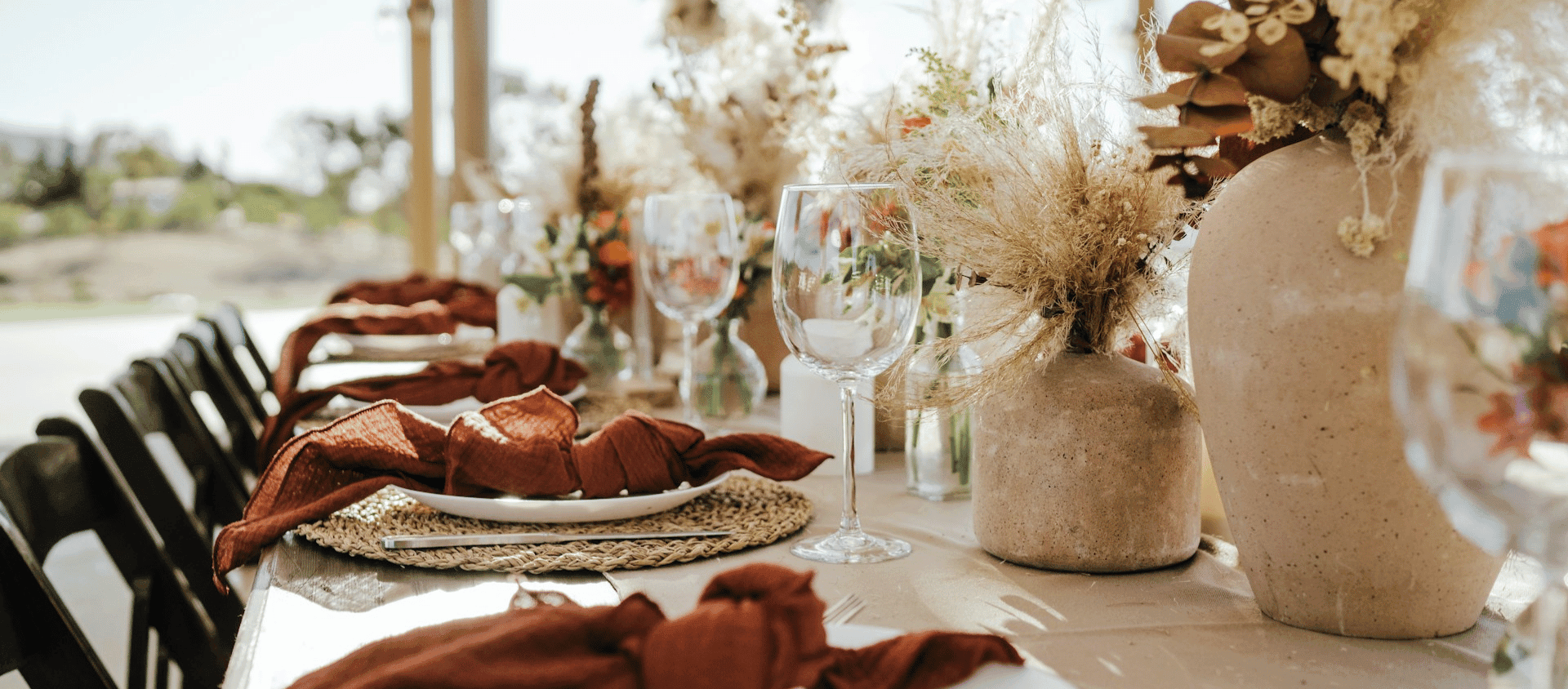
Few venues can match the intimacy and personal meaning of someone’s home. You’re in a space full of memories, with no time restrictions and the freedom to make the day truly your own.
- Plan for rentals: Tables, chairs, linens, dishware, and serving equipment add up quickly. Get quotes early and budget accordingly.
- Think through logistics: Parking, neighbor heads-up, bathroom adequacy, and weather backup plans are all must-dos.
- Be realistic about setup/breakdown: Confirm that whoever is doing it is genuinely willing — or, outsource if the option is there.
Best for: Couples with access to a beautiful space that holds personal meaning and families willing to pitch in.
Vacation Rentals and Airbnb Properties
Renting a stunning property for a weekend gives you both a venue and accommodations, making it ideal for very small weddings with a destination feel. Your whole group stays together, and the multi-day celebration potential (welcome dinner, wedding day, farewell brunch) is practically unbeatable.
- Always get written confirmation: Message hosts before booking and explicitly mention you’re planning a wedding.
- Check for event insurance requirements: Usually $150–$300, and worth building into the budget.
- Plan for vendor access: Confirm caterers and photographers can come and go from the property.
Best for: Destination-style celebrations, multi-day weekends, groups willing to stay together.
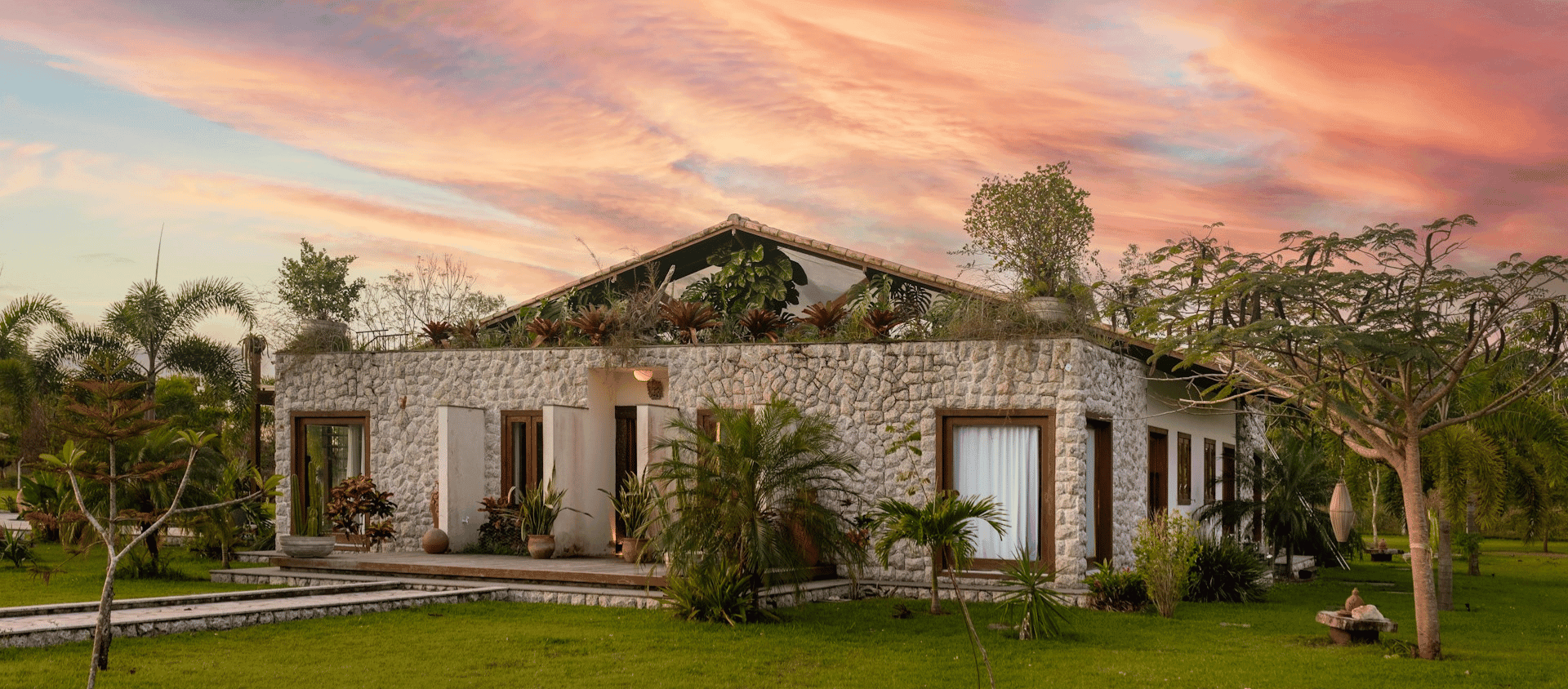
Outdoor and Nature Venues
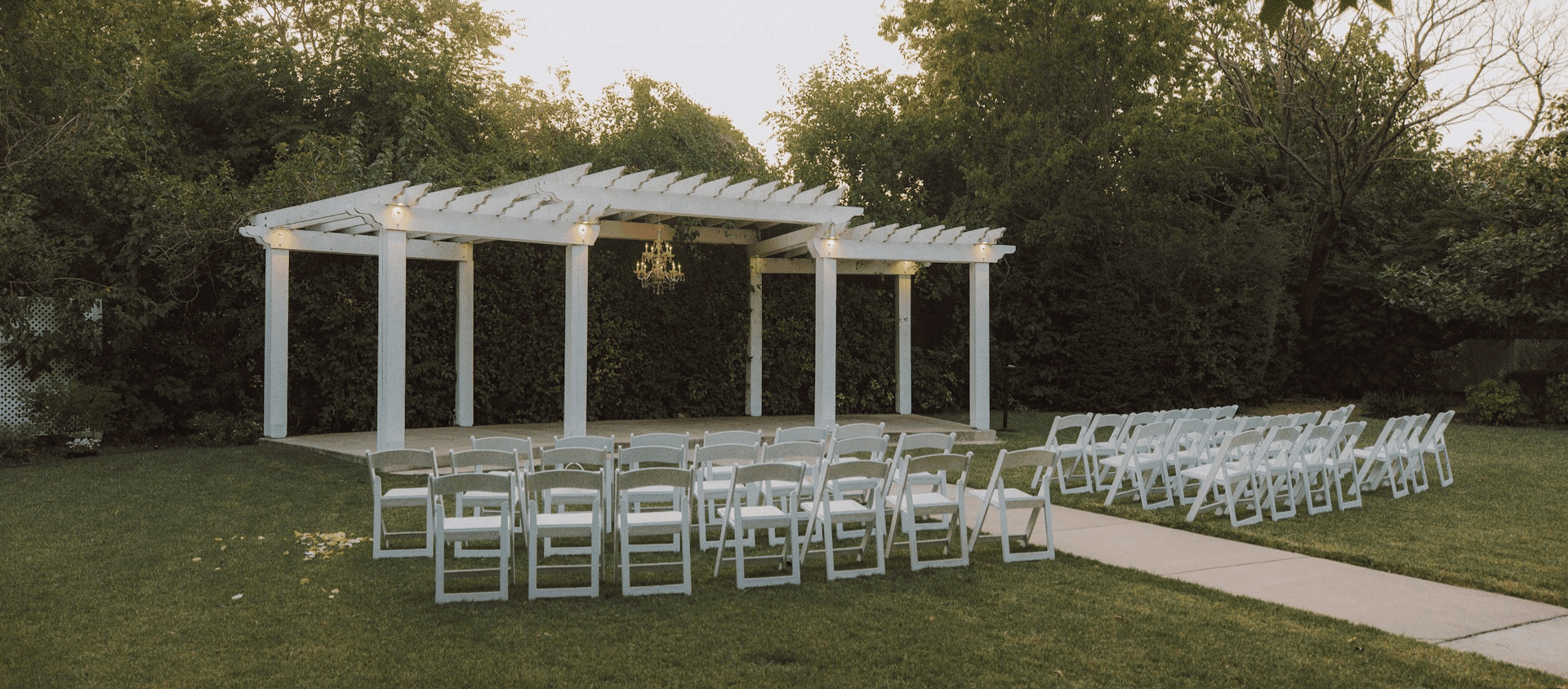
A small guest count opens your celebration up to stunning natural settings that simply can’t accommodate crowds: mountaintops, forest clearings, lakeshores, cliffsides, beaches.
- National and state parks: Permits usually run $50–$200; apply 2–3 months in advance.
- Bureau of Land Management land and national forests: Often free or low-cost, with fewer restrictions.
- Public beaches and lakeshores: Rules vary by locality, so make sure you check local requirements.
Always have a weather contingency: tent rental, a nearby indoor backup, or simply embracing it with blankets and umbrellas.
Best for: Adventurous couples and nature lovers who want their location to be the star of the show.
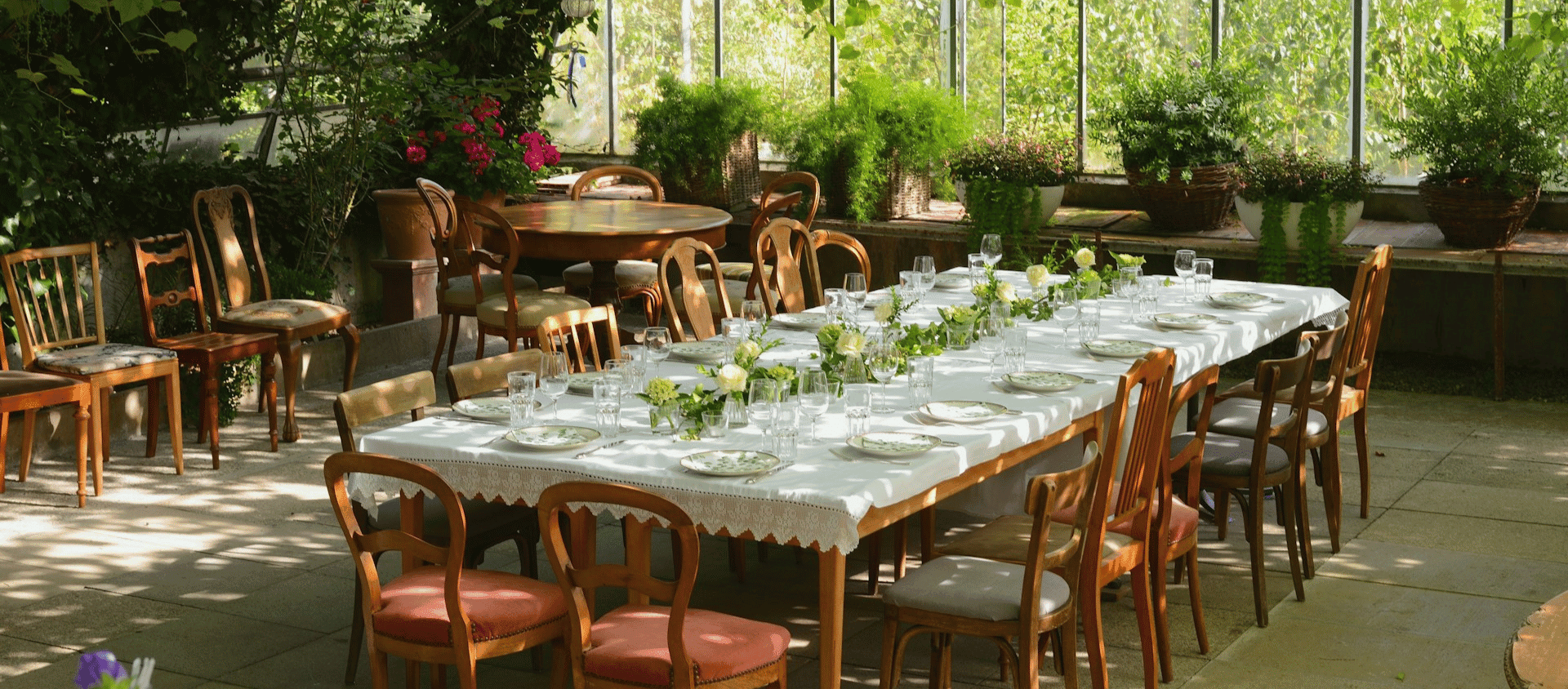
Other Dreamy Intimate Venue Options
- Art galleries and museums: Exclusive access to beautiful spaces designed to be visually interesting. Look for local galleries rather than major institutions.
- Wine caves and wineries: Atmospheric barrel rooms with built-in beauty and wine service. A wine-lover’s dream.
- Historic homes and estates: Victorian mansions and heritage properties bring elegance without hotel formality.
- Boutique hotels: Intimate event spaces with built-in accommodations for traveling guests.
- Destination weddings: Small guest counts make destination celebrations far more feasible. Flying 20 people to Italy or Hawaii? Absolutely doable.
Small Wedding Budget Planning
You may be thinking about small wedding ideas on a budget. Good news: You don’t have to think of it as planning a cheaper version of a big wedding. You’re making strategic choices about where the money goes. That’s powerful.
The Two Budget Approaches
Option 1: Maximize Savings. Host a beautiful, meaningful celebration for $3,000–$8,000 using free or low-cost venues, minimal vendor spend, DIY elements, and simple structure. The choice if you’re saving for a home, honeymoon, or just don’t want to spend big on a single day.
Option 2: Invest in Luxury. Spend $15,000–$30,000 to create an extraordinary experience: a destination celebration, premium photography, a private chef, luxury accommodations, and elevated details. The choice if you want a once-in-a-lifetime experience that’s impossible at scale.
Most couples land somewhere in between, selectively investing in what matters most.
The Per-Guest Math
At 150 guests, $100/person on food and beverage costs $15,000. At 20 guests? $2,000. That extra $13,000 could cover round-trip flights for your whole crew to a destination, hire a photographer and videographer, fund a luxury vacation rental, or pay for your entire honeymoon.
This is why small weddings offer budget flexibility rather than constraint. You control where the money goes because scale doesn’t dictate it.
Where to Invest for Maximum Impact
- Photography ($2,500–$5,000+): One category where cutting corners has lifelong impact. At an intimate scale, photographers can capture moments lost in larger weddings: candid conversations, emotional reactions, the specific glow of a small room.
- Food and drink ($75–$200/person): With fewer guests, you can splurge on premium items. Think private chef, elevated catering, or a spectacular restaurant experience.
- Venue and experience ($0–$5,000+): Invest in a location that matters — destination setting, meaningful property, or a unique space that creates the atmosphere you’re after.
- Guest experience ($50–$150/guest): Things like welcome gifts, shared accommodations, and transportation are touches that make your big day memorable for the people who shared it with you.
What You Can Skip or Scale Down
- Day-of coordinator: For weddings under 20 guests with simple logistics, a trusted friend can manage the moving pieces.
- Large-scale florals: Statement installations are designed to fill big spaces. Focus on a beautiful bridal bouquet and simple arrangements.
- DJ or band: Designed for crowd energy and big dance floors. A curated Spotify playlist is genuinely perfect at an intimate scale.
- Elaborate favors: Skip them entirely or offer one meaningful item.
- Formal printed invitations: With 20 guests, you could hand-deliver them, send beautiful and simple cards, or use quality digital invitations.
Creating Your Budget Allocation
Figure out your total available budget to get started, then allocate based on your priorities:

Sample Budget 1: $8,000 Small Wedding
- Venue: $500 (park permit or backyard)
- Photography: $2,500
- Food & beverage: $2,000 (restaurant or casual catering, $100/person for 20 guests)
- Attire: $1,000 (dress, suit, accessories)
- Flowers: $400 (bouquets and simple arrangements)
- Invitations & paper: $200
- Miscellaneous: $1,400 (officiant, rings, marriage license, extras)
Sample Budget 2: $20,000 Elevated Small Wedding
- Venue: $4,000 (luxury vacation rental for weekend)
- Photography & video: $5,000
- Food & beverage: $4,000 (private chef experience, $200/person)
- Guest travel contribution: $3,000 (help cover flights for key family)
- Attire: $1,500
- Flowers & design: $1,000
- Welcome gifts & guest experience: $800
- Miscellaneous: $700
Budget tip: Always build in a 10% buffer for unexpected costs like permits, forgotten rental items, and last-minute additions. They always pop up.
Creating Your Small Wedding Timeline
Small weddings require less lead time than large celebrations because tasks are simpler and many intimate venues don’t book as far in advance.
8–12 Months Before
- Finalize your guest list and send save-the-dates
- Book your venue and photographer (two critical vendors)
- Order attire if buying new
- Book accommodations (if hosting a destination celebration)
4–6 Months Before
- Book remaining vendors: caterer or restaurant, officiant, and florist if contracting one
- Send formal invitations
- Plan ceremony details and write personal vows if you’re going that route
2–3 Months Before
- Finalize all vendor details and build your day-of timeline
- Obtain any necessary permits for outdoor locations
- Arrange rental needs: tables, chairs, tents, A/V equipment, etc.
- Plan any pre- or post-wedding casual celebrations
1 Month Before
- Confirm final headcount with vendors
- Share the day-of timeline with vendors and wedding party
- Do a final venue walkthrough if possible
Week Of
- Confirm all vendor arrival times
- Prepare any DIY elements
- Take a breath. You’ve got this.
Vendors You Need (and Don't Need)
- Book these: A photographer (non-negotiable) and an officiant, whether a professional or a friend who gets ordained.
- Maybe book these: A caterer if your venue requires it; a florist if you want more than simple arrangements; hair and makeup if you want the pampering experience.
- Skip these: A day-of coordinator (a trusted friend can manage 20 people), a DJ (a curated playlist truly works beautifully), and a full wedding planner unless you’re orchestrating a complex destination celebration.
The Details That Make It Feel Special
Small doesn’t mean sparse. It means intentional. And intentional weddings have a way of feeling absolutely unforgettable.
- Write personal vows. With a small group, every word carries more weight.
- Curate a meaningful playlist with songs that actually tell your story.
- Gift each guest something thoughtful. A small group makes this genuinely achievable.
- Choose a venue with stunning natural light for golden-hour photos.
- Build in unhurried time — linger over dinner, let conversations breathe.
- Commission a custom seating arrangement or hand-lettered menu as a keepsake.
At scale, personalization becomes impossible. With 20 people, you can make every single element intentional. That’s not a compromise, that’s the whole point!

Ready to Start Planning?
If an intimate, intentional celebration sounds like your kind of wedding, Celebration.com is here to help you bring it to life. From managing your guest list to building a registry your loved ones will actually love, everything you need is in one place, so you can spend less time stressing and more time celebrating.
Sign up free at Celebration.com and start building the wedding that’s truly, beautifully yours.