

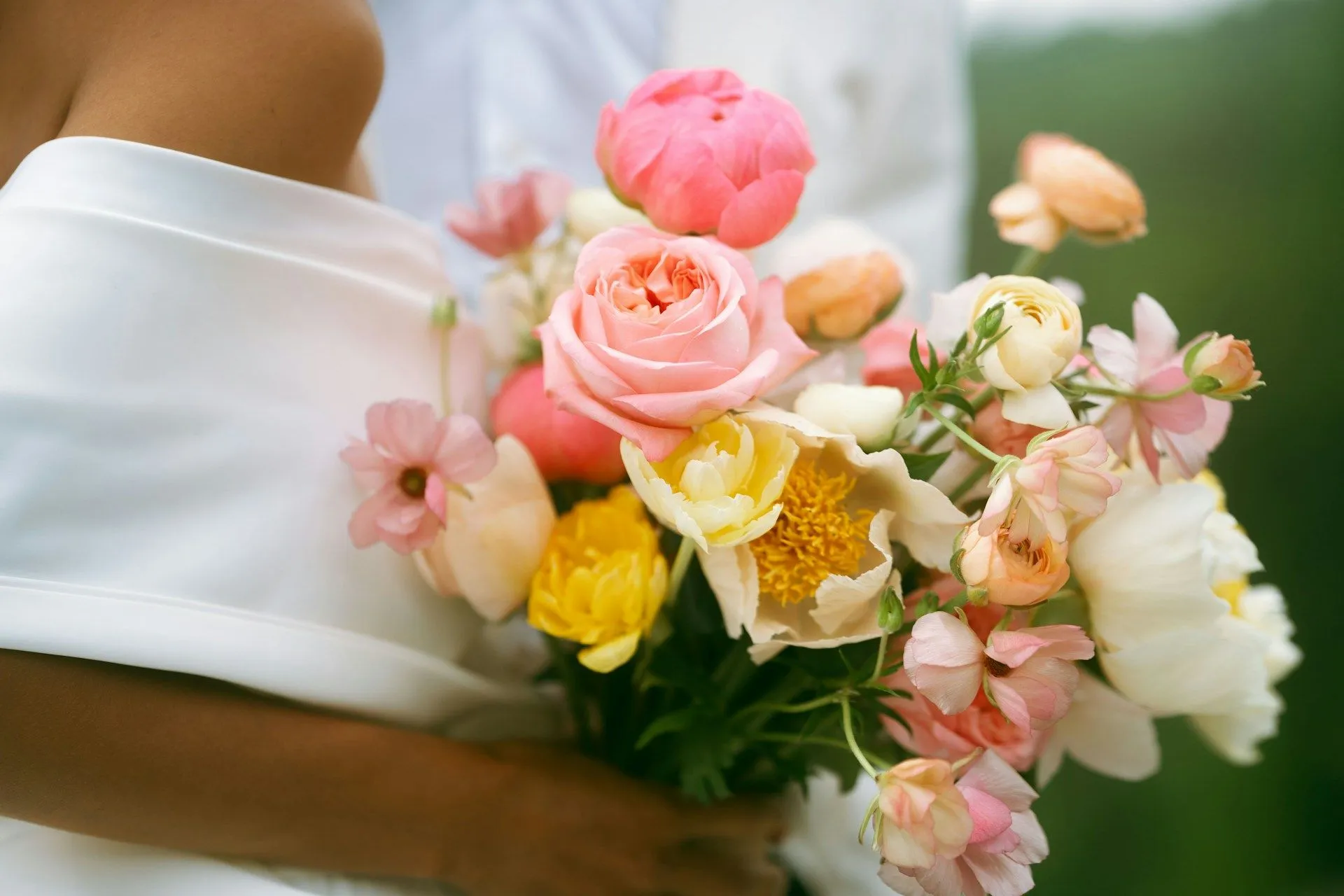
Close your eyes for a second. Picture tulips bursting in every shade of pink, an outdoor ceremony bathed in that perfect golden-hour light, and the whole thing wrapped in the kind of symbolic fresh-start energy that only spring can deliver. Now open your eyes, because planning a spring wedding is every bit as magical as the daydream. It just comes with a few things your Pinterest board probably didn’t mention.
Spring is the most popular wedding season for a reason. The flowers are unbeatable, the temperatures are typically dreamy, and there’s something romantic about getting married when the whole world is waking up and blooming again. But that popularity also means more competition, more complexity, and a weather variable that requires a real plan, not just wishful thinking.
Whether you’re drawn to peonies and pastels, a lush outdoor ceremony with cherry blossoms framing the aisle, or a garden dinner that feels like something out of a storybook, this guide will walk you through everything you need to know about planning your perfect spring wedding.
Table of Contents
Understanding Spring Wedding Timing In Your Region
Navigating Spring Holiday Conflicts and Booking Timelines
Choosing the Right Venue for Spring Weather
Creating Your Spring Wedding Weather Backup Plan
Spring Wedding Color Palettes That Capture the Season
Maximizing Seasonal Flowers For Beauty and Budget
Designing Spring Wedding Decorations and Aesthetics
Selecting Wedding Attire for Spring Weather and Style
Planning Spring-Appropriate Menus and Beverages
Ensuring Guest Comfort and Managing Expectations
Timing Your Save-the-Dates and Spring Invitations
Bringing It All Together
Understanding Spring Wedding Timing in Your Region
It might surprise a lot of couples, but “Spring” doesn’t mean the same thing everywhere. Your dream date might fall during mud season in Vermont, peak bloom in Georgia, or summer-like temperatures in Arizona. Knowing when spring actually arrives in your region is the first detail to address.
Regional Spring Variations
The South (March–Early April): This is the sweet spot — flowers blooming, temperatures warm but not sweltering, and summer heat still a few months away. By May, many Southern cities are already edging into early summer weather. If you’re dreaming of an outdoor Charleston destination wedding ceremony, bloom-season perfection — warm but not unbearable heat — the South in March or early April is your answer.
The Northeast (Late April–May): Don’t let March fool you. The Northeast can still bring gray skies, cold snaps, and the occasional late snowflake in March. Late April and May are where the magic happens — fresh greenery, mild temperatures, and that unmistakably spring feeling.
The Midwest (April–May, with flexibility built in): Spring in the Midwest is beautiful and unpredictable in equal measure. Temperature swings, wind, and the occasional surprise storm are all on the table from March through May. More than any other region, Midwest spring couples need a solid weather backup plan.
The Pacific Northwest (March–May): Soft, lush, romantic, and yes, rainy. The Pacific Northwest in spring offers stunning scenery and moderate temperatures, but precipitation is part of the package. An alternative for unpredictable weather isn’t optional here.
Scheduling Based on Your Ideal Atmosphere
Early spring if you love softer pricing, easier booking, and that first-bloom freshness. Just build in weather flexibility.
Mid-spring if you want the quintessential spring wedding look. We’re talking gardens coming alive, comfortable temperatures, and a balance of beauty and practicality.
Late spring if your priority is lush, full landscapes and more dependable weather, but you need to be comfortable booking early and investing more to get what you want.
This one decision shapes your entire planning process, from how far in advance you need to book to how serious your rain plan needs to be.
Navigating Spring Holiday Conflicts and Booking Timelines
Spring is jam-packed with holidays, long weekends, and school breaks. All of which can either work beautifully for your wedding or create serious headaches. Knowing what you’re walking into helps you plan proactively.
The Spring Holiday Impact
Easter: It shifts every year, which means you have to check where it falls for your specific wedding year. It can affect travel plans, venue pricing, and guest availability. Some guests may have family or religious commitments already locked in, and holiday weekends often come at a premium.
Mother’s Day: This is one of the hardest weekends to work around. Family obligations are high, restaurant options for rehearsal dinners get booked out weeks in advance, and your attendance rate may dip as guests juggle competing priorities.
Memorial Day weekend: The built-in long weekend sounds appealing. Guests don’t need to take vacation days. But it also competes with travel plans, bumps you into summer pricing at many venues, and tends to see slightly lower attendance as people make other plans.
Spring break: This varies significantly by region and school district, but it can affect family attendance and drive up accommodation costs in destination-friendly markets. Always check when spring break lands if you have a lot of guests with kids.
Spring Wedding Booking Timeline
Spring weddings, especially April and May dates, often need to be locked in well in advance. Popular venues and in-demand photographers can book as far as 12–16 months out. The earlier you get organized, the more options you’ll have.
As a general rule:
- 16 to 18 months out: start researching venues and booking tours
- 14 to 16 months out: secure your venue and date
- 12 to 14 months out: book photography, videography, and catering
- 10 to 12 months out: finalize florist, entertainment, and beauty vendors
- 8 to 10 months out: send save-the-dates, especially for holiday weekends
March weddings typically have a little more flexibility, while May is the most competitive month of the season. When in doubt, always book earlier.
Choosing the Right Venue for Spring Weather
For a spring wedding, your venue has one job: let you lean into the season’s beauty without being held hostage by its unpredictability. That means flexibility matters just as much as aesthetics.
A stunning outdoor ceremony site with no possible backup plan is a gamble. Spring weather isn’t always rainy, but it’s notoriously unpredictable. A beautiful April morning can turn cold and windy by afternoon. A meadow can become completely unworkable after unexpected overnight rain. The goal is a wedding venue that can pivot without making your day feel like a compromise.
Vetting the Backup Space for a Springtime Wedding
The best spring venues offer a backup room that still feels intentional, photogenic, and aligned with your overall vision. There’s a real difference between a venue that can move you to a beautiful adjacent space seamlessly and one that relegates you to a fluorescent-lit banquet hall.
When touring venues, ask specifically: “What does an indoor setup look like? Can I see photos?” If they can’t show you a compelling indoor option, keep looking.
Ideal Venue Types for Spring
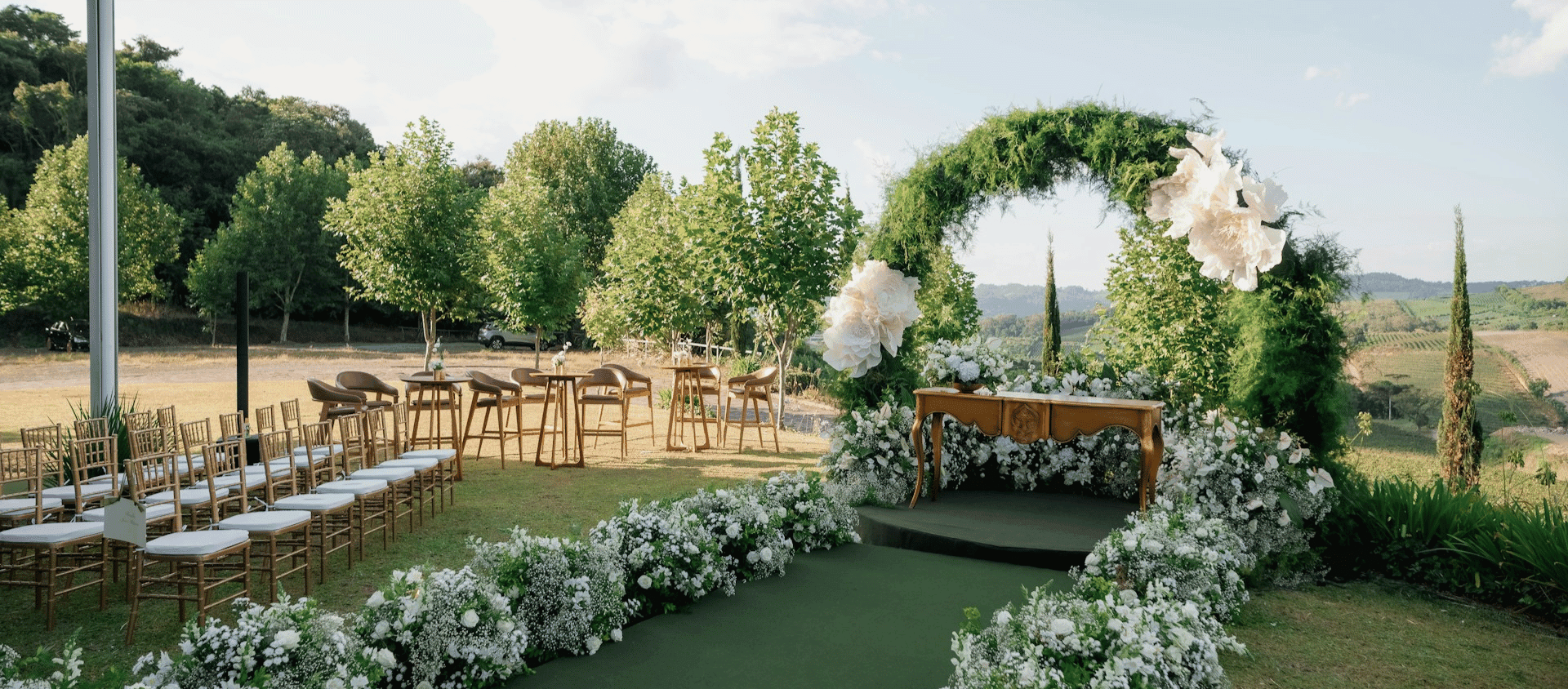
Country clubs, resorts, and historic estates: These tend to be the strongest all-weather performers because they combine genuine outdoor beauty with beautifully designed interior spaces. The transition between outdoor and indoor should feel like a different scene,not a downgrade.
Botanical gardens and arboretums: Stunning in spring. But they only work if their indoor alternatives can comfortably hold your full guest count and still feel special. It helps to get a maximum headcount before falling in love.
Parks and open-air venues: Beautiful and often more affordable. But they need to have a clear, adjacent covered or indoor option that actually works.
What to Look for in a Spring Venue
The strongest spring venues typically include:
- Covered outdoor areas like pavilions, porches, or pergolas
- Indoor spaces with good natural light that photograph beautifully
- Easy, seamless transitions between outdoor and indoor setups
- Paths or surfaces that hold up well in wet conditions
- Climate control for chilly early mornings or unexpectedly warm afternoons
You should never have to choose between beauty and peace of mind. The right spring venue gives you both.
Creating Your Spring Wedding Weather Backup Plan
Every spring wedding needs a weather plan. The last thing you want is Mother Nature getting in the way of your special day. Most couples focus on rain, but temperature drops, unexpected wind, damp ground, and muddy paths can be just as disruptive.
Your Three Backup Plan Options
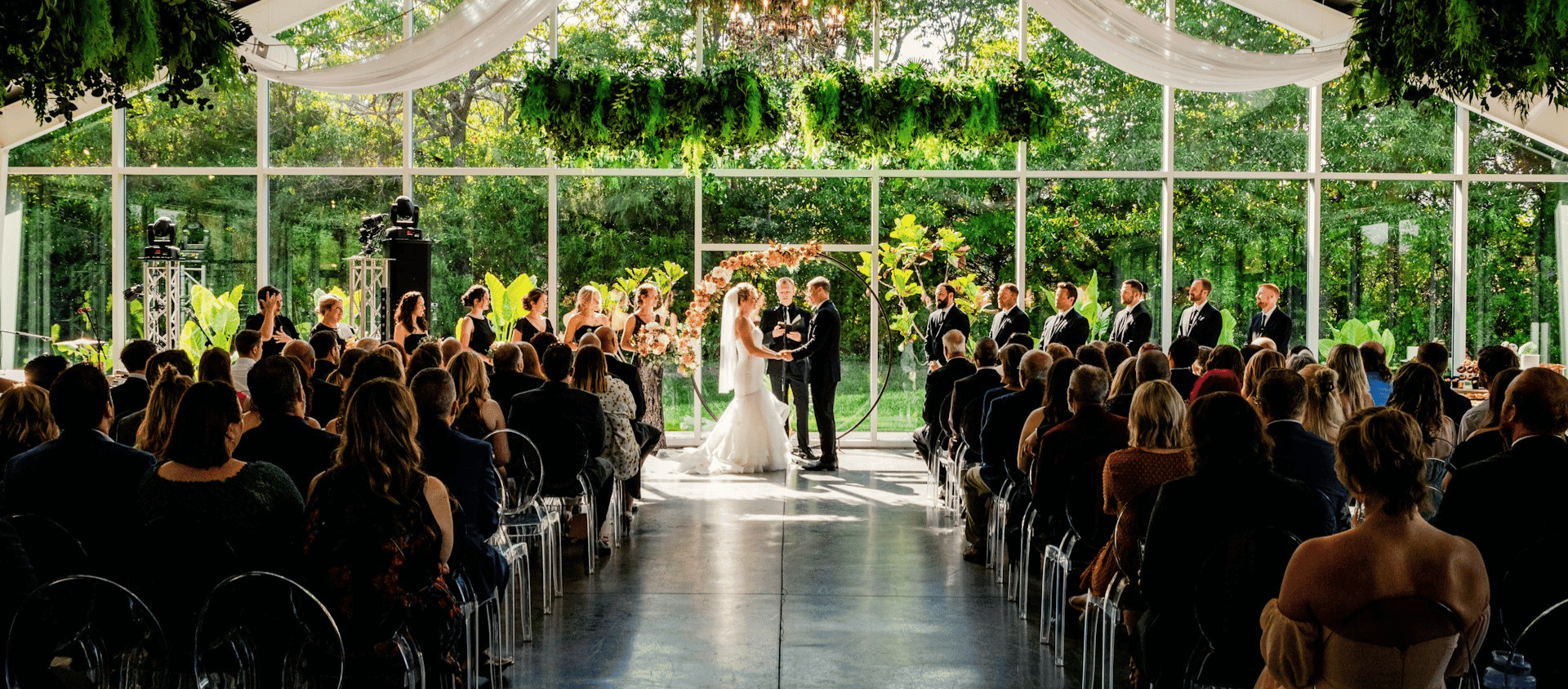
Full indoor alternative: The most reliable. An indoor space that can host your entire event without feeling like a downgrade is the gold standard. If your venue has this, you can stop stressing about the forecast entirely.
Full tent setup: Tents can be beautiful. Think bistro lights, draped fabric, a dance floor under the stars. But make sure you’re budgeting for all the extras that actually make them comfortable, like flooring, side panels, heating, or cooling. A bare tent is just rain protection; an accessorized tent is a venue.
Hybrid approach: Often the most practical option. Keep the ceremony weather-dependent (it’s usually 30 minutes of outdoor time) while guaranteeing the reception indoors. This preserves your outdoor ceremony dream with minimal risk.
Guest Communication Strategy
Your wedding website should set expectations clearly without sending anyone into a panic. A simple message works well. It can be something like: “We’re planning an outdoor celebration, and if the weather shifts, we’ll post any updates on this site the morning of.”
Include practical guidance too. Recommend comfortable footwear for outdoor terrain, mention if the venue has grass or gravel, and note if temperatures tend to drop in the evening. Guests appreciate clear expectations, and it reduces the day-of questions significantly.
Emotional Preparation Matters Too
Decide in advance what conditions will trigger Plan B, and assign one trusted person — your coordinator, a family member, whoever — to make that call. Having that decision made before the day means you won’t be standing in a parking lot in your wedding dress, weighing whether or not it’s really raining.
And remember, guests care far more about celebrating with you than whether they’re seated under trees or under a ceiling. The weather doesn’t make or break the day. Your presence, your joy, and the people around you do.
Spring Wedding Color Palettes That Capture the Season
Spring wedding colors should feel authentic to the season while still reflecting who you actually are. The good news is that spring gives you a lot to work with. Whether you lean into soft pastels or go for something bolder and more saturated, there’s a spring wedding theme approach that will feel right for your celebration.
Classic Spring Palettes
Soft pink, sage green, cream, lavender, pale yellow, and powder blue are everyone’s favorites for good reason. They mirror what’s happening in a blooming spring garden. These colors photograph beautifully in natural light and feel effortlessly seasonal without trying too hard.
Modern Spring Interpretations
If you prefer something with more personality and punch, you don’t have to stay pastel. Coral, lilac, deeper emerald greens, and warm terracotta all work beautifully in spring when paired thoughtfully. The key is choosing shades that still feel connected to the season rather than fighting it.
Metallic Accents
Metallics are the secret upgrade of spring wedding decor. Gold adds warmth to pastel palettes. Rose gold brings a softer, more contemporary feel. Silver pairs beautifully with cooler color schemes. Copper is exceptional with green, cream, and earthy tones. Each one can elevate a spring palette from pretty to stunning.
Matching Colors to Timing
Early spring (March): Go soft and airy. This is first-bloom season, and the palette should match. Blush, ivory, powder blue, and pale sage feel right for March, with a lightness that mirrors the delicate energy of the season just waking up.
Mid-spring (April): This is where the full range of classic spring palettes shines. Lavender, soft pink, sage green, and cream all feel balanced, fresh, and unmistakably spring. The kind of colors that feel as natural as the season itself.
Late spring (May): As gardens reach full bloom, your palette can go richer and more saturated. Coral, lilac, deep emerald green, and warm gold feel perfectly in tune with the lushness of May. Bold enough to make a statement without fighting the season.
Maximizing Seasonal Flowers for Beauty and Budget
Spring might be the single best season for wedding flowers. The variety is extraordinary, and when you work with what’s in season, your budget stretches significantly further. This is one of the nicest surprises couples discover when planning a spring wedding, because the season itself is doing a lot of the heavy lifting.
In-Season Spring Flowers
The spring lineup reads like a florist’s dream: tulips, daffodils, hyacinths, ranunculus, anemones, lilacs, sweet peas, peonies, garden roses, and flowering branches like cherry blossom or dogwood. Availability varies by month and region, but spring generally offers more natural floral abundance than any other season.
Why Seasonal Flowers Matter
In-season flowers are fresher, easier to source locally, and more affordable than blooms that need to be imported or forced out of season. Peonies are a perfect example. During their natural peak in May, they’re one of the most beautiful and cost-effective flowers available. Order them for a January wedding, and the price jumps considerably.
Pro-Tip: Design your florals around what’s actually growing when you’re getting married, rather than a saved photo from a different season. Your florist will thank you, and your flowers will be more beautiful for it.
Smart Ways To Use Spring Flowers
Combine statement flowers with textural filler: You don’t need all-peony everything to create a lush arrangement. Pair a few statement blooms with ranunculus, sweet peas, and seasonal greenery for an abundant look at a fraction of the cost.
Use flowering branches strategically: Cherry blossom, dogwood, and forsythia branches can frame ceremony arches or flank an aisle in a way that feels theatrical and beautiful, without a massive price tag.
Double-duty arrangements: Potted herbs and small plants can serve as both table decor and guest favors. Seasonal and sustainable, and guests actually take them home.
Let the venue garden do some work: If your venue already has blooming trees or established garden beds, design around them rather than competing with them. This is spring. The setting itself is already gorgeous.
Designing Spring Wedding Decorations and Aesthetics
The best spring wedding decor doesn’t try to compete with the season. It works with it. Spring’s natural beauty is the backdrop, and your job is to add intentional details that enhance rather than smother.
Let the Season Lead
If your venue already has blooming trees, garden scenery, or fresh greenery, you don’t need to over-decorate. In fact, too much decor can actually work against you in spring. It can dilute what makes an outdoor or garden-adjacent setting special in the first place.
Focus your design budget on the elements that matter most. A beautiful ceremony arch with seasonal flowers. Gorgeous table arrangements that complement the surroundings. Thoughtful lighting for the evening. These investments create impact. Covering every surface with props and florals just creates visual noise.
What Spring Decor Does Best
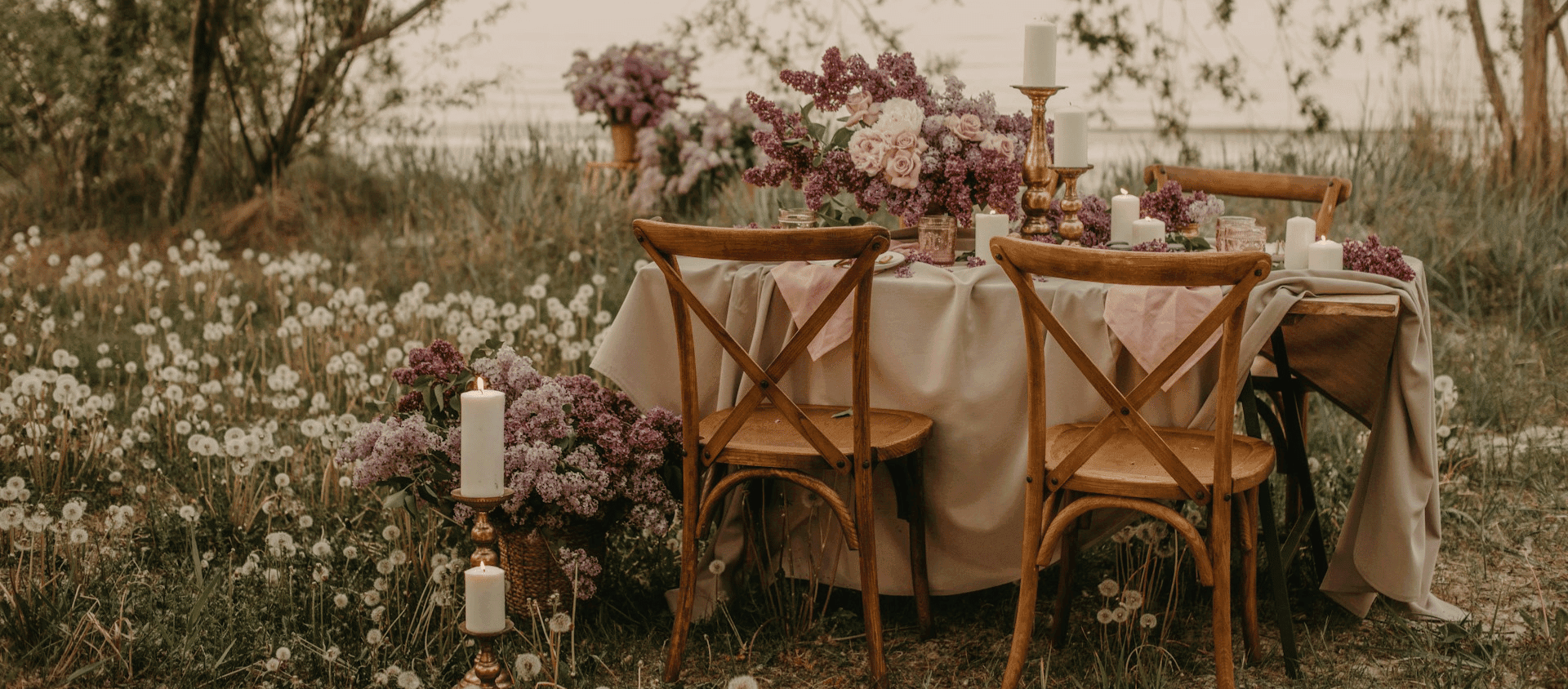
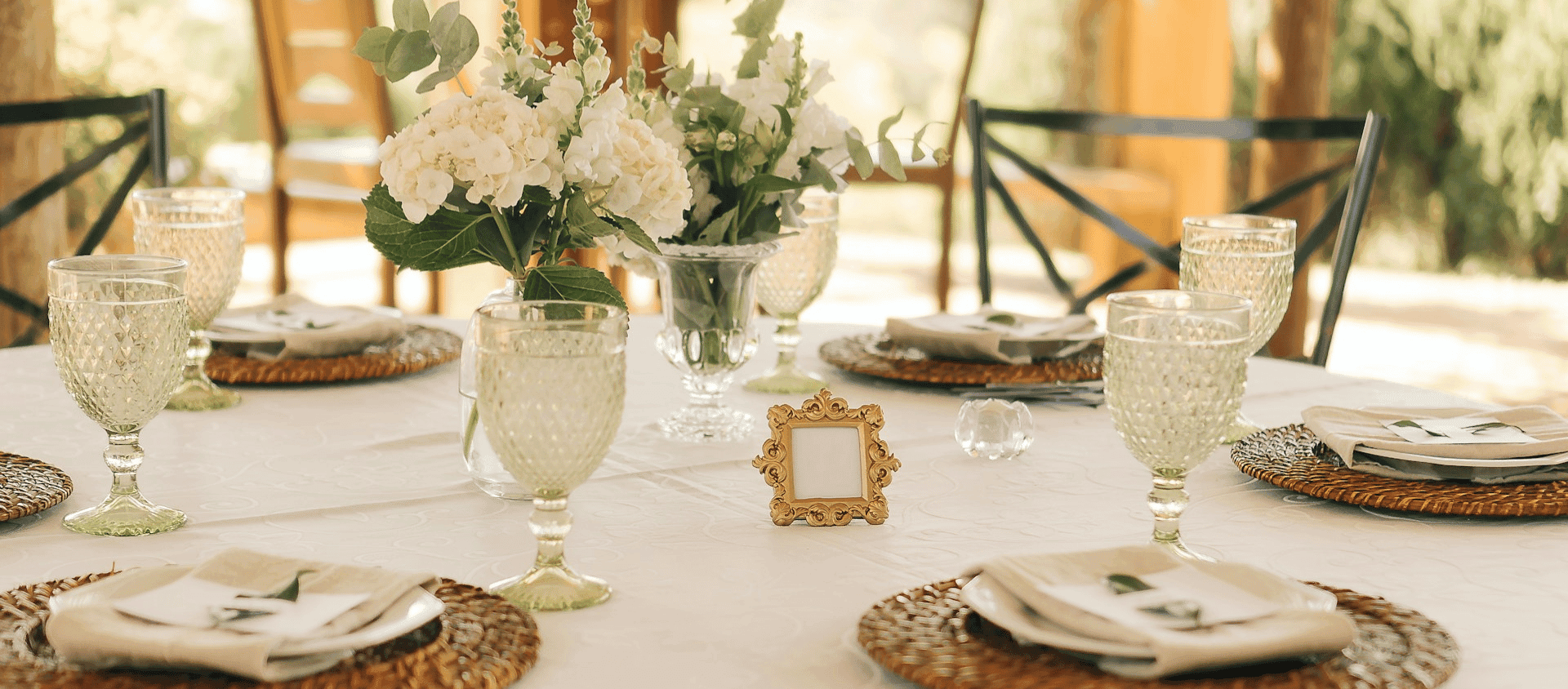
When considering spring wedding theme ideas, the aesthetic that works best is light, organic, and a little romantic. Think soft fabrics like linen and chiffon, botanical prints on stationery and menus, natural wood and rattan elements, clear glass accents that let colors shine through, and garden-inspired floral arrangements that feel like they could have been gathered from the hedgerow an hour ago.
Keep It Sophisticated
Spring weddings feel most polished when the seasonal elements are incorporated subtly. The difference between “spring-themed” and “spring celebration” is restraint. Instead of every surface covered in pastel tulle, use color, texture, and floral details to evoke the season in a way that feels grown-up and intentional.
Selecting Wedding Attire for Spring Weather and Style
Spring wedding fashion is supposed to be fun. It’s time for lighter fabrics, brighter colors, and a general vibe of freshness that heavy winter weddings can’t touch. The key is choosing attire that looks seasonal and actually works with real spring weather, which means having a plan for temperature drops and the occasional surprise rain shower.
Bridal Style for Spring
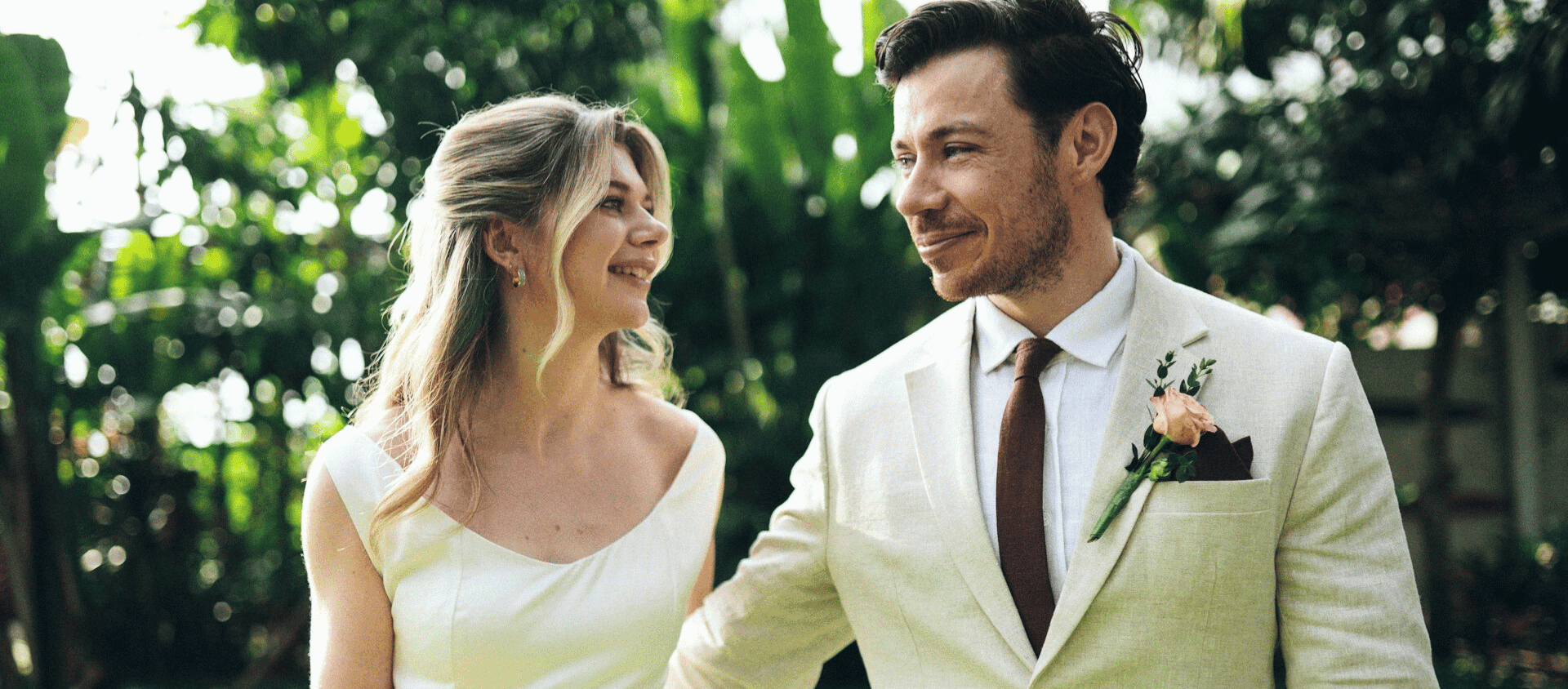
Lighter fabrics like chiffon, organza, tulle, and softer lace are your best friends. They photograph beautifully in natural light, move well outdoors, and feel more comfortable than heavier alternatives. Bonus: they tend to come at more affordable price points too.
If you’re considering a sleeveless or cap-sleeve gown (very on-brand for spring), have a layering option ready. A silk wrap, a beautiful bolero, or a detachable sleeve can be a lifesaver if temperatures drop after sunset.
Tea-length and midi gowns are smart choices for outdoor or garden settings where you’re navigating grass, gravel, or uneven terrain.
Wedding Party Attire
Lighter suit colors like blue, gray, tan, and cream feel much more appropriate for spring than the darker winter tones. For bridesmaid dresses, pastels are an obvious choice, but bolder spring tones (a rich coral, a deep sage, a warm terracotta) can look absolutely stunning depending on your overall color palette. Just make sure everyone’s comfortable in whatever you choose. Happy wedding parties make for better photos and more fun celebrations.
Guest Attire Guidance
Do your guests a favor and include a note on your wedding website with practical guidance: recommended footwear for outdoor terrain, whether you’re expecting a chilly evening, and the general dress code. Spring outdoor weddings have specific considerations that guests can’t anticipate on their own. A little heads-up goes a long way.
Planning Spring-Appropriate Menus and Beverages
Spring wedding menus call for food that feels fresh, bright, and satiating, which happens to align perfectly with the most beautiful and seasonal ingredients of the year.
Seasonal Stars for Your Menu
Spring vegetables are extraordinary. Asparagus, peas, artichokes, leeks, and spring onions are all at their peak. A spring wedding is a great occasion to feature a tasting-menu-style dinner that showcases seasonal ingredients, course by course.
For proteins, salmon, chicken, lamb, and grilled fish are all natural fits. Lamb in particular has a spring lightness that feels very right for the season. Pair everything with herbs, citrus, and those garden sides, and you’ve got a menu that feels intentional, seasonal, and delicious.
Spring Desserts
Spring is an excellent season to go beyond the traditional wedding cake, or to at least complement it with a full dessert spread. Lemon, strawberry, rhubarb, elderflower, and champagne flavors all sing spring. Picture a dessert table with lemon tarts, macaron towers, shortcake bites, and fruit-forward sweets; elevating your dessert selection beyond gorgeous presentation, to be also festive and wildly memorable.
Signature Cocktails
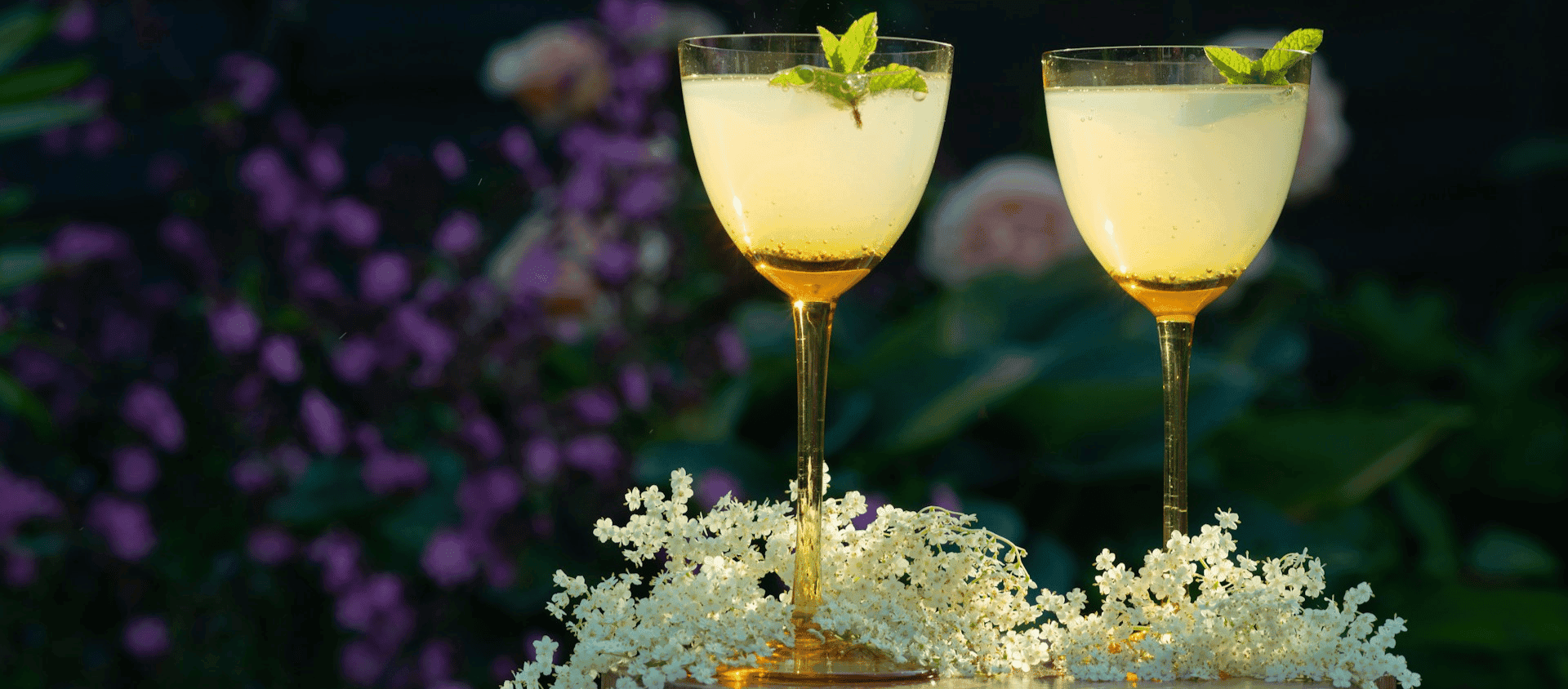
Floral, herby, and fresh drinks like lavender gin fizzes, elderflower spritzers, strawberry mint juleps, cucumber-basil margaritas, or a rhubarb-and-rose champagne cocktail are perfect options. The best spring cocktails feel light and perfectly suited to sipping on a garden terrace at golden hour.
Pro Tip: Have your caterer or bar team develop both a signature cocktail and a non-alcoholic signature mocktail in the same flavor profile. Guests who don’t drink alcohol will feel just as considered, and it’s a thoughtful detail that people will remember.
Ensuring Guest Comfort and Managing Expectations
A beautifully planned spring wedding accounts for the guest experience, not just the aesthetic. The couples who get this right are the ones whose guests leave talking about how effortless and thoughtful the whole day felt, even if something unexpected happened with the weather or the timeline.
Comfort Amenities That Help
Wraps or blankets: Have a basket of pashminas or light blankets available at the ceremony or cocktail hour. If the evening cools down, this is the gesture that makes guests feel considered.
Parasols: If your late-spring date leans on the sunnier side, parasols for an outdoor ceremony are both practical and gorgeous in photos.
Water stations: For outdoor ceremonies in May, a thoughtfully placed water station with fruit-infused water is a practical, nice touch that doubles as decor.
Allergy awareness: Spring blooms are glorious, but might leave some guests with sniffles. A gentle note on your website about high pollen, plus a small wellness basket with antihistamines and tissues in the bathrooms, is one of the most thoughtful things you can do.
Communication Is the Real MVP
Clear, proactive communication makes every part of your wedding run more smoothly. Your wedding website needs to include the ceremony and reception locations, any updated plans for weather changes, dress code expectations, footwear guidance for outdoor terrain, and parking or transportation logistics for all guests to stay informed and prepared.
Calm, clear information reduces day-of questions. Fewer questions mean a more relaxed couple. A more relaxed couple means a better day for everyone. Everyone wins.
Timing Your Save-the-Dates and Spring Invitations
Spring weddings fill up fast. Popular venues and in-demand vendors often book 12–16 months out, and holiday weekends add another layer of demand. Getting your communication out early isn’t just good practice; it’s essential and practical for everyone involved.
Save-the-Date Timing
April and May weddings: Send save-the-dates 10–12 months out. Holiday weekends (Mother’s Day, Memorial Day) warrant even earlier notice (12–14 months if possible).
March weddings: You have a little more flexibility here. 8–10 months is typically sufficient, though earlier is still better for destination weddings or guests who travel.
Destination spring weddings: Lead with as much notice as possible. Guests need to budget and book travel, especially if the destination is international.
Invitation Timing
For local or regional weddings, formal invitations typically go out 8–10 weeks before the date. For destination events or holiday weekends, closer to 12 weeks is wise. The goal is to give guests enough time to plan practically without sending invitations so far in advance that details change before they arrive.
Spring Stationery Style
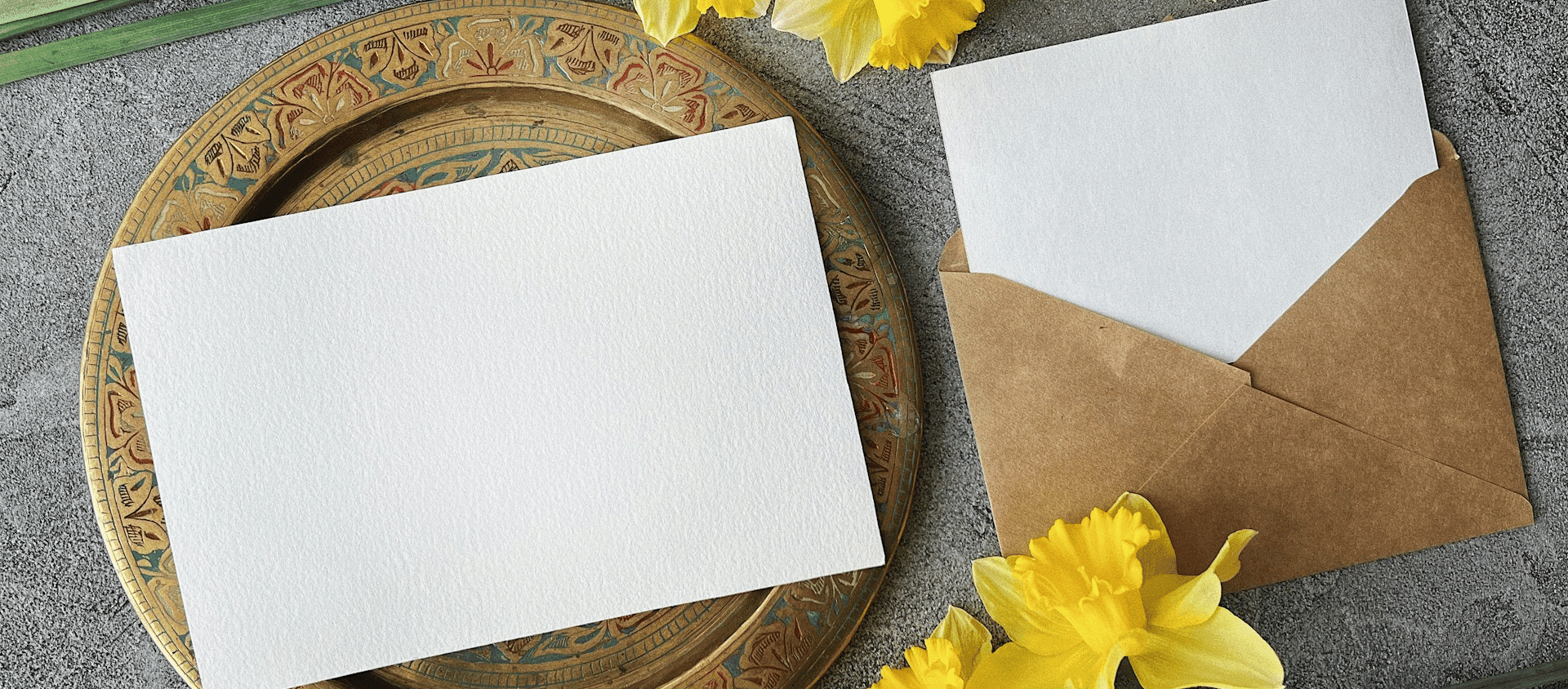
Spring stationery is one of the most joyful parts of the process. Watercolor florals, botanical illustrations, hand-lettered fonts, and soft color palettes feel in tune with the season while maintaining an elegant aesthetic. For spring wedding ideas on the stationery front, consider a pressed flower wax seal, a menu card that incorporates your palette, or an invitation suite printed on textured, natural paper that sets the tone from the very first impression.
Bringing It All Together
A perfect spring wedding comes down to one core principle: lean into working with the season rather than against it. Spring gives you extraordinary gifts — flowers at their most beautiful, symbolic new-beginning energy, and a natural backdrop that almost no other season can match.
The couples who walk away most content with their spring weddings are the ones who planned strategically (early booking, solid weather backup, seasonal flowers and menu), communicated clearly (guests knew what to expect), and stayed flexible enough to enjoy whatever the day actually brought.
That’s the real secret of a beautiful spring wedding. Not perfect weather. Not flawless execution. Just genuine joy in the season, the people, and the moment.
Start Planning Your Spring Wedding Today
Spring wedding planning moves fast. Popular venues and in-demand vendors book up quickly, and the earlier you get organized, the more gorgeous options you’ll have to choose from. Celebration.com is here to help you bring every piece together, from building your wedding registry to sharing your event website with guests, so you can spend less time managing logistics and more time savoring the planning process itself.
Get started for free at Celebration.com and take the first step toward the spring wedding you’ve been envisioning.