

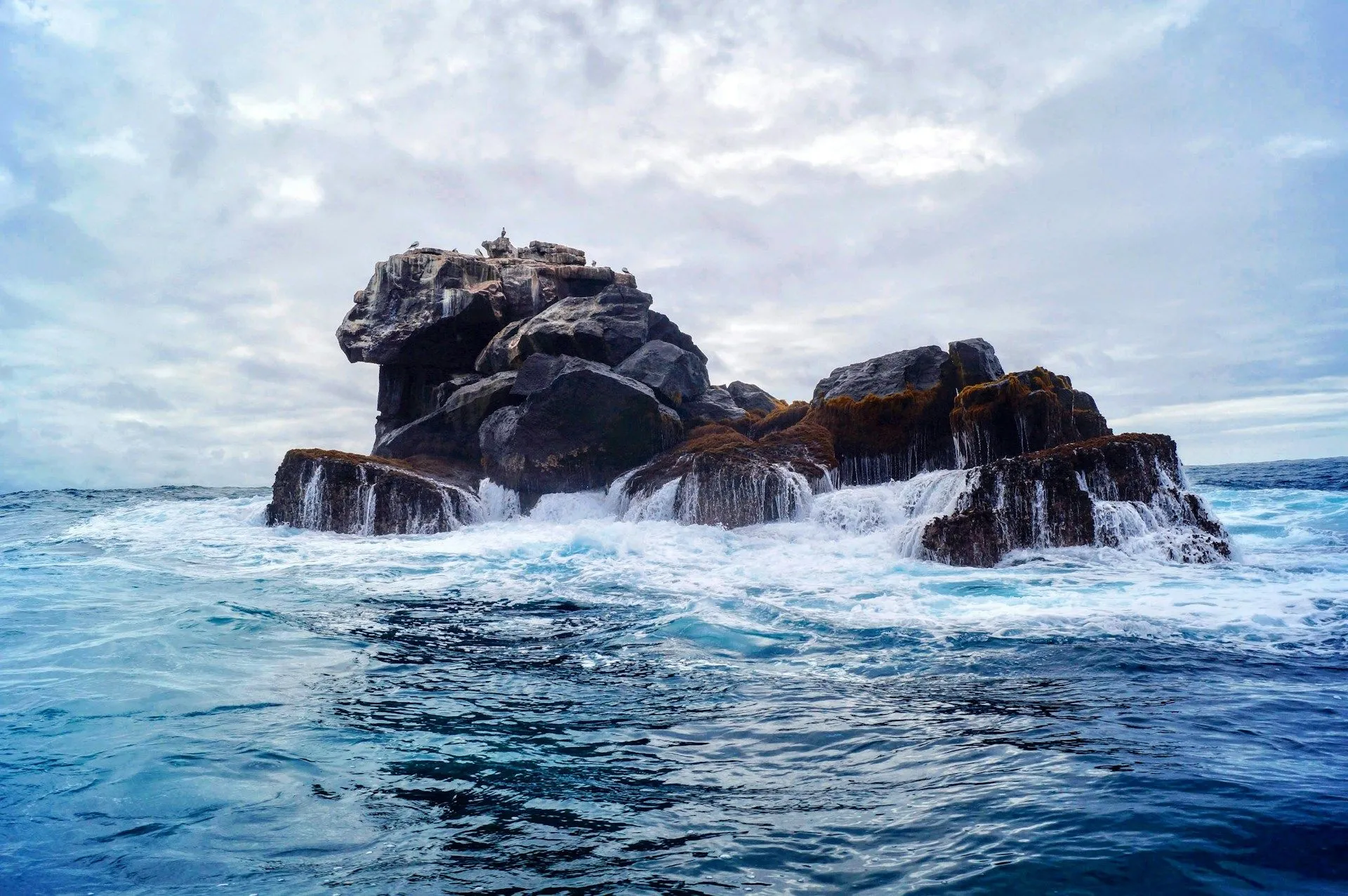
Renowned for its beauty and wildlife, the Galapagos Islands are a dream destination for travelers across the world. This archipelago sits 600 miles off Ecuador and consists of 18 volcanic islands.
The islands are known for their fearless wildlife and inspiration for Darwin's theory of evolution. About 97% of the landmass is a strictly protected national park, making visits even more special.
In this Galapagos Islands travel guide, we'll uncover how to see wildlife, the best tours to take, costs and more.
What to Know Before You Travel
Traveling to the Galapagos Islands is different from traveling to other destinations. The islands have their own layer of entry control on top of standard Ecuador immigration.
Here are a few important things to know:
- You need a Transit Control Card (TCT). All travelers must obtain one before flying to the islands. They are issued at the airport in Guayaquil or Quito for a fee that must be paid in cash.
- There's a fee to enter the national park. As of 2025, adult tickets are $200 and children's tickets are $100. The fee must be paid in cash at the airport upon arrival.
- You have to fill out a goods declaration. Within 48 hours of travel, every visitor must fill out an online sworn declaration of goods form to ensure no prohibited items are brought onto the islands.
The Galapagos Islands are a special place, one that makes these minor obstacles well worth the effort. Getting to the islands takes a little planning. Most travelers fly from Quito or Guayaquil on mainland Ecuador and land at one of two airports, Baltra or San Cristobal. Round-trip flights typically run $380 to $500, and only round-trip tickets are sold to non-residents.
Where and How to See Galapagos Islands Wildlife
Few places on earth offer the kind of wildlife encounters you can experience on the Galapagos Islands. The animals here have never learned fear.
But knowing where to go and how to behave is key.
Santa Cruz Island
Santa Cruz is one of the richest wildlife hubs in the archipelago. Giant tortoises roam the interior highlands. Stop by the Charles Darwin Research Station outside of Puerto Ayora to enjoy close-up encounters with the resident tortoises and learn more about the area's conservation programs.
Española Island
The coastlines of Española Island are home to the most concentrated seabird colonies. See waved albatrosses nest from April through December and perform their elaborate courtship dances.
The area is also a great place to see blue-footed boobies.
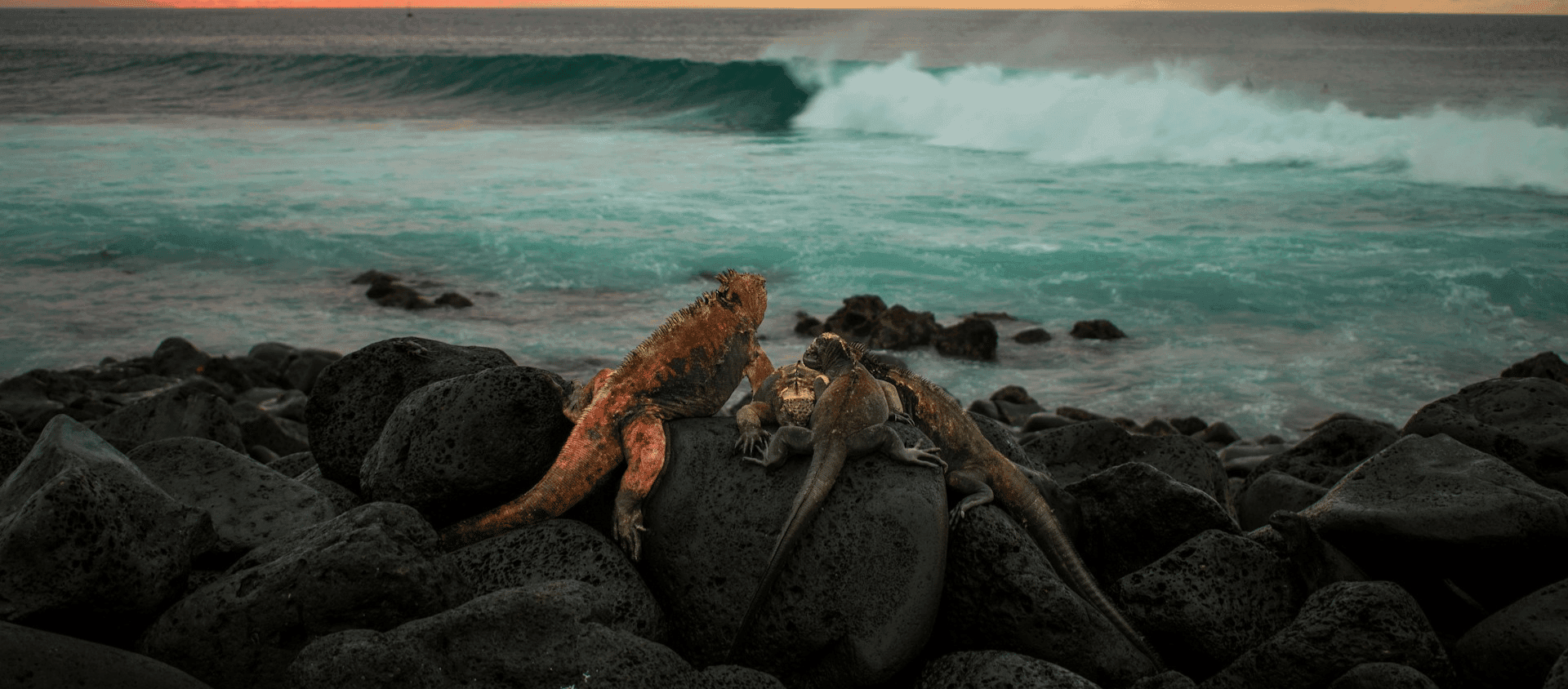
The island is home to the only population of marine iguanas.
San Cristóbal
A top choice for seeing sea lions. The main town of Puerto Baquerizo Moreno houses hundreds of sea lions, which spend their days lounging along the boardwalk.
La Lobería beach on the south shore gives you an opportunity to swim alongside these creatures.
Practical Tips for Seeing Wildlife
- Go with a licensed naturalist guide. All visitor sites in the Galapagos National Park require guided access.
- Go early or late in the day. Midday heat drives most activity down. The golden hours are the best times to see bird activity, feeding and nesting behavior.
- Time your visit to breeding seasons. Giant tortoise hatchlings emerge between October and February. Waved albatrosses are present from April through December. Marine iguanas display their brightest colors during mating season.
4 Best Tours in the Galapagos Islands
There's a reason why the Galapagos Islands are an Adventures by Disney destination. The archipelago offers so many opportunities for witnessing natural beauty and wildlife in its natural habitat.
Tours are some of the best ways to really take in all the area has to offer.
1. Bartolomé Island Day Tour
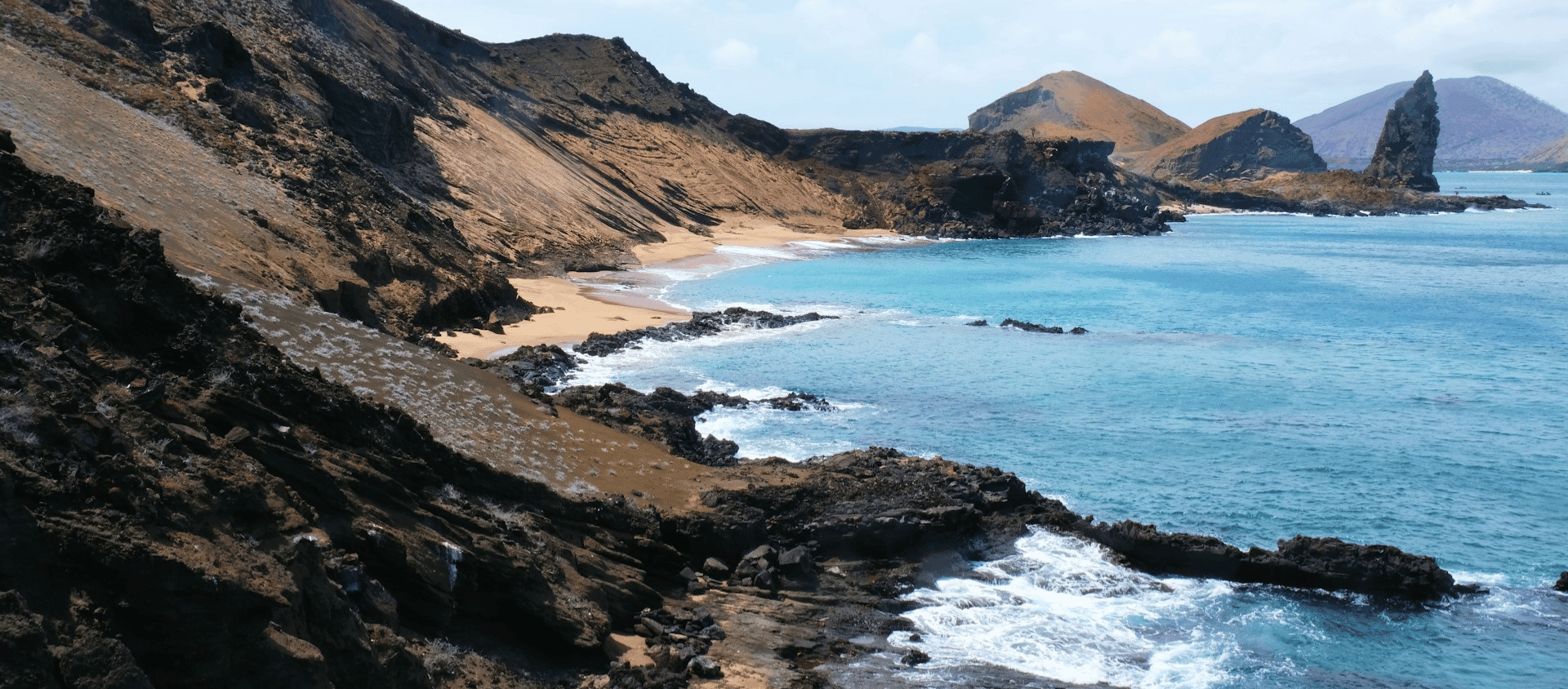
The Bartolomé Island tour is one of the most iconic. Tours typically depart from Santa Cruz and land at the island's volcanic tuff islet. This is the most photographed location in the entire archipelago.
The summit hike rewards you with a stunning view of Pinnacle Rock and the surrounding lava fields.
Below, the beach is one of the few places where you can reliably spot penguins. Try snorkeling off the twin beaches to see reef sharks, bright tropical fish and sea turtles.
2. Los Túneles, Isabela Island
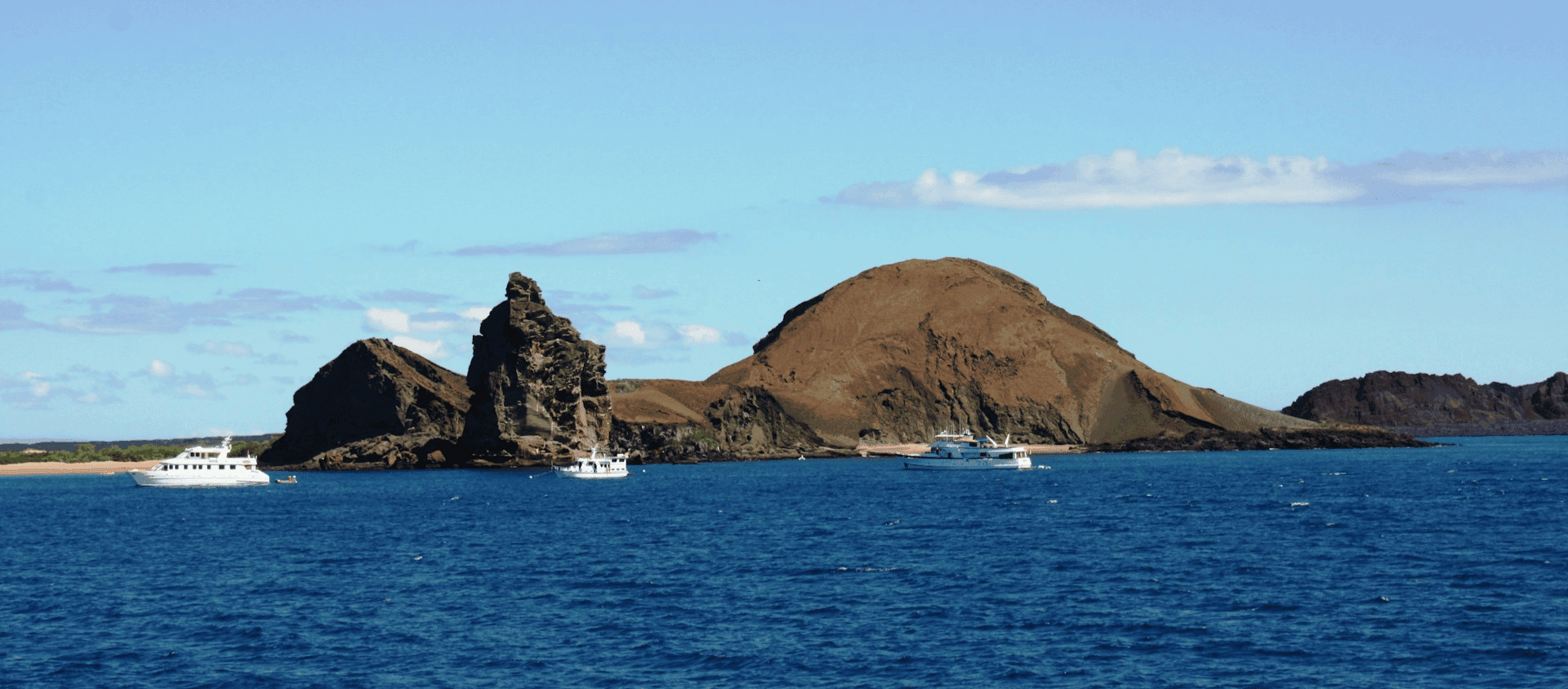
Los Túneles is a spectacular collection of lava-rock formations off the south coast of Isabela Island. Many consider it the most beautiful snorkeling tour in the entire archipelago. See blue sharks, manta rays, sea turtles, seahorses and sea lions up close.
The lava formations create dramatic underwater passages you can explore.
3. Sierra Negra Volcano Hike
The best volcano hike in the Galapagos. The trail takes you along the rim of Sierra Negra's massive caldera, which is one of the largest in the world, to Chico Volcano. Here, the landscape shifts from foggy and green to dry and orange, thanks to the lava fields.
Because this is an active volcano, tours must be done with a Galapagos Island National Park naturalist guide.
4. Liveaboard Expedition Cruise
It's hard to beat a liveaboard experience in the Galapagos Islands. You can find multi-day cruises ranging from 5 to 16 days, and they give you access to the full archipelago, including remote outer islands that are hard to reach.
Smaller tours often provide a better overall experience, with certified naturalist guides and snorkeling or diving at each stop. Not ready for a multi-day cruise? You can also base yourself in a hotel on Santa Cruz, San Cristobal, or Isabela and take day trips to nearby islands. Land-based stays tend to cost less, while cruises reach more remote sites and a wider range of wildlife.
Ready to start planning your Galapagos Islands travels? Create a free travel registry today.
When is the Best Time to Visit the Galapagos Islands?
The best time to visit the islands depends entirely on your goals and priorities.
- December through May is ideal for warm weather and swimming.
- June to November works best for cooler temperatures and more active marine life.
There's no "bad" time to visit the Galapagos Islands. Each season offers something completely different.
How Much Does a Trip to Galapagos Islands Cost?
A trip to the Galapagos Islands is a once-in-a-lifetime experience, offering you the chance to get up close with wildlife and view unspoiled natural beauty.
Costs depend entirely on your traveling style and priorities. Budget options are available, as well as all-inclusive and luxurious cruises.
But unlike other destinations, there are some mandatory fees to keep in mind, including the Tourist Transit Control card and the park entry fee.
Book Your Trip With Celebration.com Today!
Your dream is closer than you think. When you book with Celebration.com Travel, we take care of every detail so you can focus on the adventure.
Fill out our interest form and let's start planning!
Frequently Asked Questions
How much does a trip to the Galapagos Islands cost?
Costs vary widely by travel style. Budget land-based trips with day tours are the most affordable, mid-range cruises sit in the middle, and luxury liveaboards cost the most. Every visitor also pays mandatory fees, including the $20 Transit Control Card and the $200 national park entry fee for non-Ecuadorian adults ($100 for children), both paid in cash on arrival.
What is the best time to visit the Galapagos Islands?
There is no bad time to go, since temperatures stay relatively stable year-round on the equator. December through May brings warmer weather and calmer seas ideal for swimming, while June through November is cooler with nutrient-rich water that attracts abundant marine life and is best for diving.
Do you need a guide to visit the Galapagos Islands?
Yes, for most of the archipelago. About 97% of the islands are protected national parks, and visitor sites can only be explored with a licensed naturalist guide, which cruises and reputable day-tour operators include. You can still explore port towns like Puerto Ayora and Puerto Baquerizo Moreno on your own.
How many days do you need in the Galapagos Islands?
Most travelers spend five to eight days to see a good mix of islands and wildlife. Liveaboard cruises range from 5 to 16 days, with longer itineraries reaching remote outer islands, while land-based stays can be tailored to shorter visits.
What wildlife can you see in the Galapagos Islands?
The islands are known for giant tortoises, marine iguanas, sea lions, blue-footed boobies, waved albatrosses, and penguins. Because the animals evolved without natural predators, they show little fear of humans, so close encounters are common. Different islands favor different species, such as albatrosses on Española and sea lions on San Cristobal.
Do you need a visa to visit the Galapagos Islands?
Most visitors, including U.S. citizens, do not need a visa for stays under 90 days in Ecuador and 60 days in the Galapagos. You will need a passport valid for at least six months, a return ticket, the Transit Control Card, and a completed online sworn declaration form.