

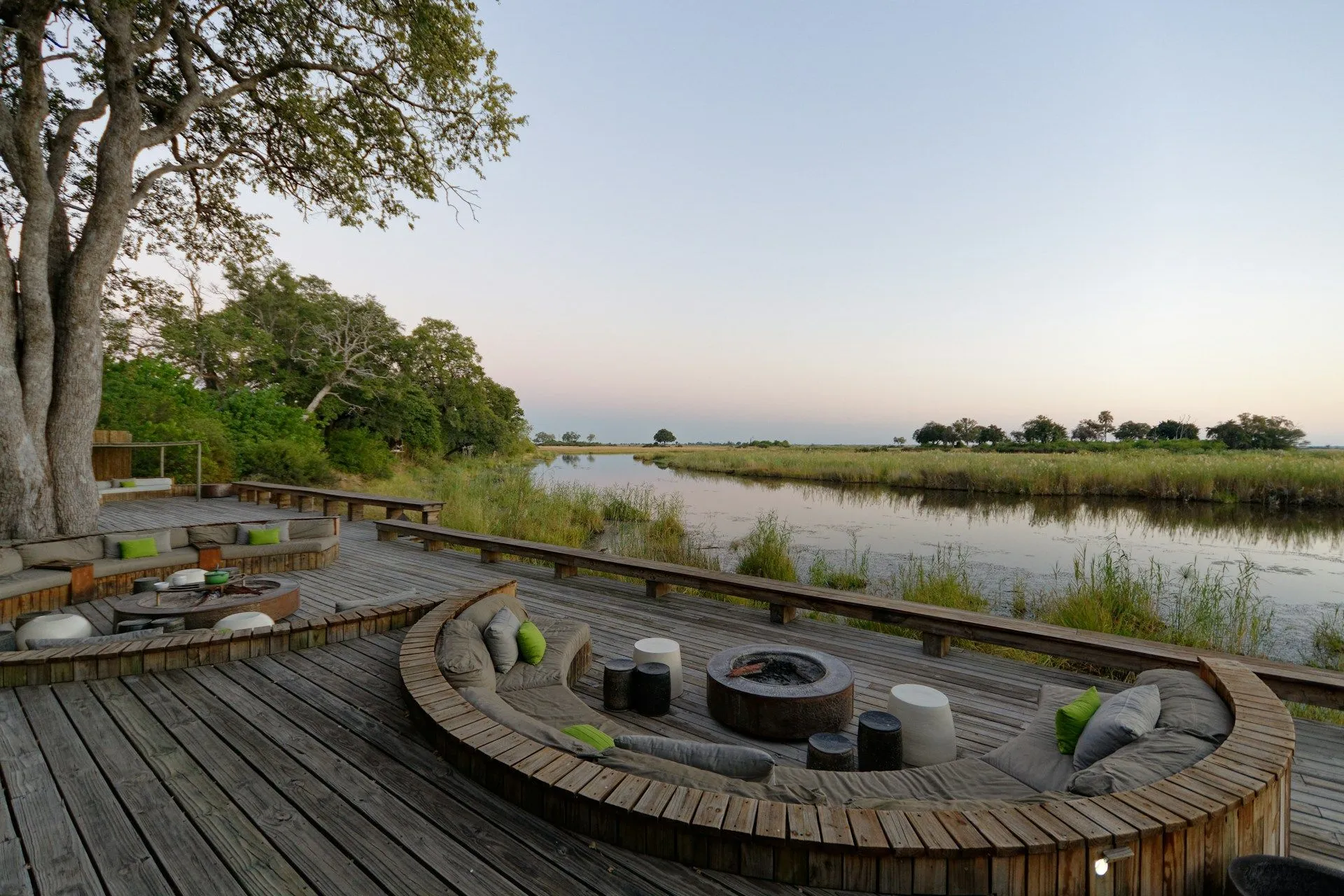
Picture this: you're gliding through glassy water channels in a traditional dugout canoe. You look up and see elephants wading in the reeds nearby.
That's an ordinary Tuesday in Botswana. And for those who are dreaming of experiencing a true African safari, Botswana is the gold standard.
Visiting this country is a once-in-a-lifetime destination, and it's tailor-made for once-in-a-lifetime moments. If you're thinking about making your honeymoons unforgettable, or any other milestone, for that matter, put Botswana on your short list!
Here's everything you need to plan a Botswana destination you'll never forget.
Botswana: Safari Royalty
Compared to most safari countries, Botswana chose a different path: offer a high-value, low-impact experience that puts nature first.
Instead of crowds, Botswana works hard to protect enormous private concessions where small camps, often just six to 10 tents, share the wilderness with the flora and fauna. The result is intimate, uncrowded game viewing that many safari veterans rank among the best on Earth.
Botswana may cost more than the average safari, but what you're buying is the feeling that the wild belongs to you alone.
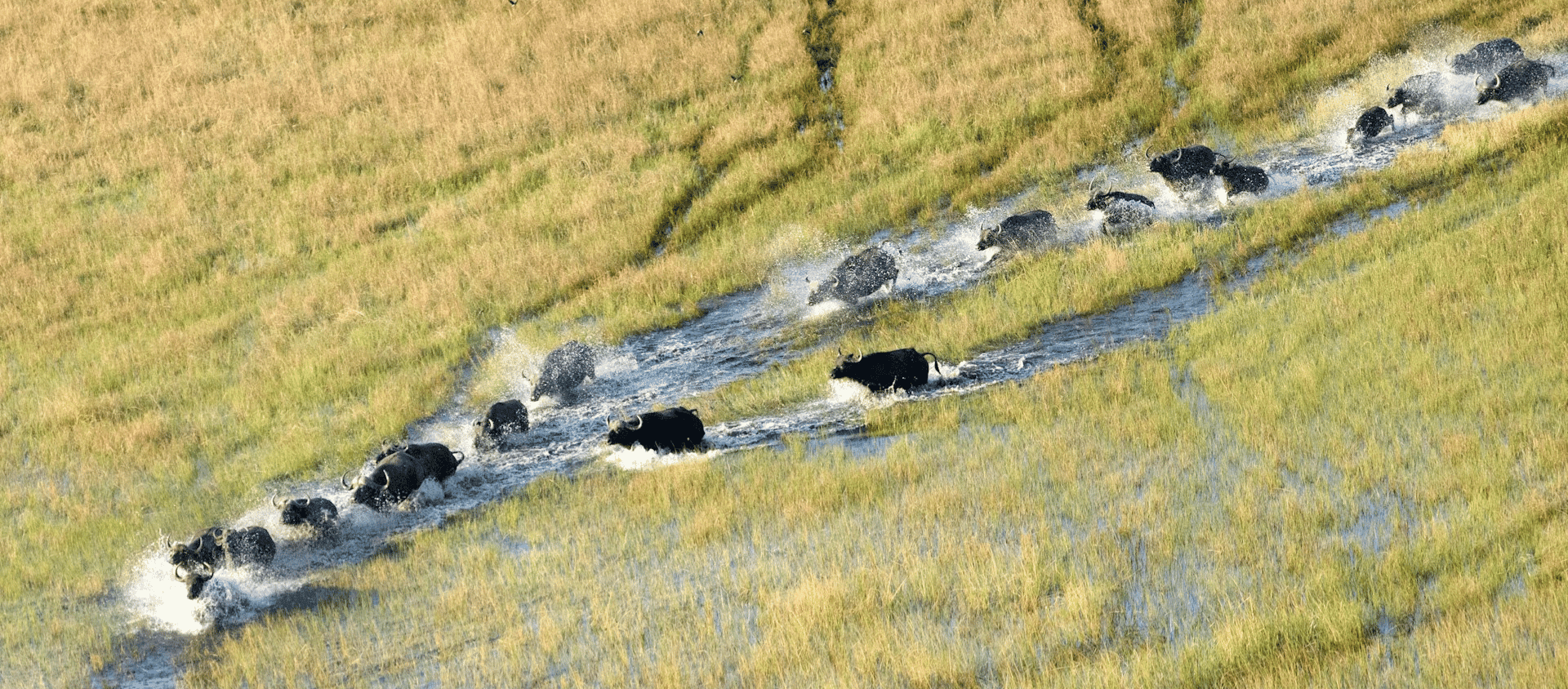
And wildlife? The country delivers. Botswana shelters Africa's largest elephant population, as well as healthy prides of lions, leopards, and cheetahs. It's also one of the continent's last strongholds of the endangered African wild dog.
Unlike the heavily trafficked national parks of East Africa, Botswana actively limits the number of visitors allowed into its wilderness areas at any given time. This commitment to low-volume, high-quality tourism is why a Botswana safari feels so different from anywhere else on the continent. You are not sharing a game drive road with 20 other vehicles. You are alone with the wild.
Where the Wild Things Are: Botswana's Big Three
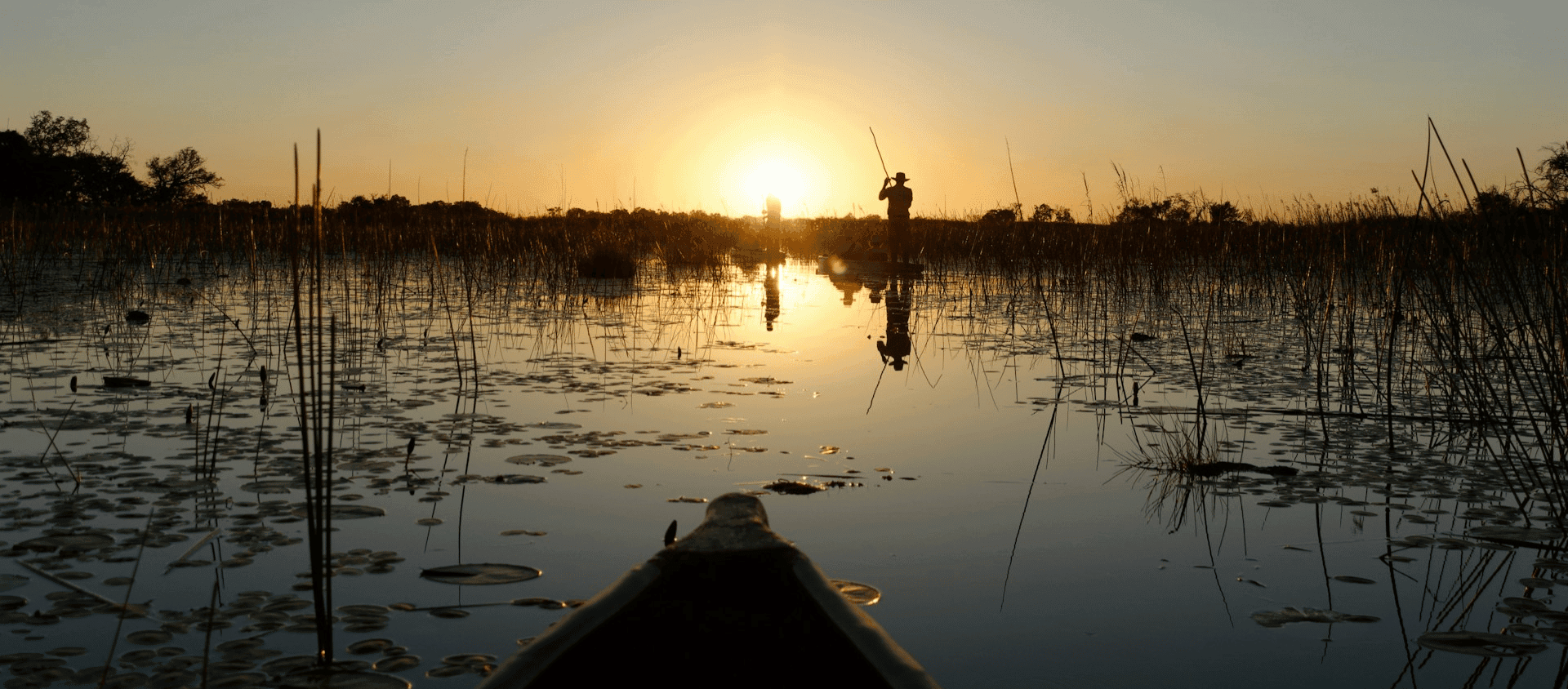
The Okavango Delta
Best for those who want to experience the iconic water safari: mokoro canoes, lily-covered channels, and camps on private islands.
A UNESCO World Heritage site, the Okavango is a river that never reaches the sea. Instead, it fans out across the Kalahari sands. You can travel through a maze of channels, lagoons, and islands that are full of wildlife: elephants, hippos, lions, and hundreds of bird species.
Glide through the Okavango by mokoro (a traditional dugout canoe) and take guided walks on remote islands. The annual flood peaks occur around June and July, when water activities are at their best.
The Delta is also one of Africa's most important bird sanctuaries, with over 400 recorded species. Even if you've never considered yourself a birder, watching a fish eagle dive over a lily-covered channel at sunrise has a way of changing that quickly.
Chobe National Park
Best for those who want to see elephants, tens of thousands of them, and unforgettable river sunsets.
Chobe is home to one of the largest elephant populations on the planet. If you're here, you have to book a sunset boat cruise along the Chobe River. You can watch herds drinking and swimming as the sky turns golden.
It's also conveniently close to Victoria Falls, just across the border, making the two an easy pairing!
The Kalahari and Makgadikgadi Pans
Best for those who want to see unforgettable landscapes full of iconic desert wildlife.
Botswana's south is almost like stepping onto a different planet. You'll see salt pans that shimmer to the horizon, and black-maned Kalahari lions dotting the landscape. Oh, and did we mention you can spot some mischievous meerkats and a zebra migration?
Sleeping out under the Milky Way on the pans will give you an entirely new appreciation for our world.
The Makgadikgadi is also one of the few places on earth where you can walk among a wild meerkat mob that has grown accustomed to humans. It's a surreal, joyful experience that is completely unlike anything else on a typical safari itinerary.
Celebration.com Travel Tip: Botswana has very few highways through its wilderness, so camps are connected by small bush planes. The flights are short and part of the adventure, but pack soft-sided duffel bags, as many flights don't allow hard suitcases.
What Does a Day on Safari Look Like?
If you've never been on safari, it can help to know what you'll expect. While every guide has their own vibe, here's what you can most often expect:
- 5:30 a.m.: A gentle wake-up call with coffee and rusks as the sky begins to come alive.
- 6:00 a.m.: Your first experience, a morning game drive or mokoro excursion, when predators are active.
- 11:00 a.m.: Head back to camp for brunch, then rest for the recommended siesta hours: read, nap, or watch elephants wander past camp.
- 3:30 p.m.: It's time for high tea (a safari tradition), then an afternoon drive ending with sundowners: drinks poured in the bush as the sun sets.
- 8:00 p.m.: Enjoy dinner under lanterns and stories around the fire. You'll be lulled to sleep by a sky so full of stars it hardly seems real!
Luxury lodges wrap all of this, meals, drinks, expert guides, and activities, into one easy and all-inclusive experience. With these, you don't have to lift a finger, which is perfect for celebration trips.
One thing that surprises first-time safari guests is just how personal the experience feels. Your guide will learn your interests quickly and tailor each drive around what excites you most, whether that's tracking a leopard, photographing birds, or simply sitting in silence as a herd of elephants passes a few feet from the vehicle.
When is the Best Time to Visit Botswana for Safari?
When you're planning your safari trip to Botswana, you'll be looking at three primary seasons:
- Dry season (May through October): This is the classic safari choice. This is when wildlife concentrates around water and the grass is low enough for easy spotting. The Delta's flood peaks early in the season, which is perfect for mokoro trips. July through September is prime time to book, but it's also peak pricing. Book 12 to 18 months ahead for the best camps.
- Green season (November through April): The green season is far more dramatic. Afternoon showers pass quickly, and you'll see wildlife through a completely different lens than during dry season. Birders take note: more than 600 species fill the Delta and Kalahari in these months. This is also when the zebra migration crosses the Makgadikgadi.
- Shoulder months (April, May, and November): This is a nice middle ground. During shoulder months, you'll get good game viewing with gentler prices and fewer travelers.
No matter when you visit, it's worth noting that Botswana's camps are intentionally small, which means availability is limited year-round. If you have a specific travel window in mind, starting the planning process early is always the right move.
A Classic 8-Day Botswana Safari Itinerary
Botswana rewards a slow pace. Even though there's a lot to see and do, you can easily overwhelm yourself if you try to take in too much too fast. But don't worry, your guide will help make sure you see everything!
To get an idea of what to expect, here's the itinerary safari planners recommend most for first-timers:
- Days 1 to 3, The Okavango Delta: Start by flying from Maun by bush plane into a water camp. You can enjoy mokoro glides and boat safaris through the channels.
- Days 4 to 6, Moremi or the Linyanti: Shift to a land camp for classic game drives. This is when you'll have a chance to spot leopards draped in trees and wild dog packs on the hunt. Plus, there's a good chance of spotting elephants!
- Days 7 to 8, Chobe and out via Kasane: Finish your safari with a famous riverfront elephant spectacle or a sunset cruise, positioned right next to Victoria Falls before flying home.
This rhythm, one water camp, one or two land camps, and a river finale, lets you experience the full range of what makes Botswana extraordinary without rushing through any particular part.
If your schedule allows for 10 to 12 days, consider adding a night or two on the Makgadikgadi Pans. The contrast between the lush Delta and the stark, otherworldly salt flats makes the overall experience feel even richer, and it gives you the chance to see a side of Botswana that most visitors never reach.
How Much Does a Botswana Safari Cost?
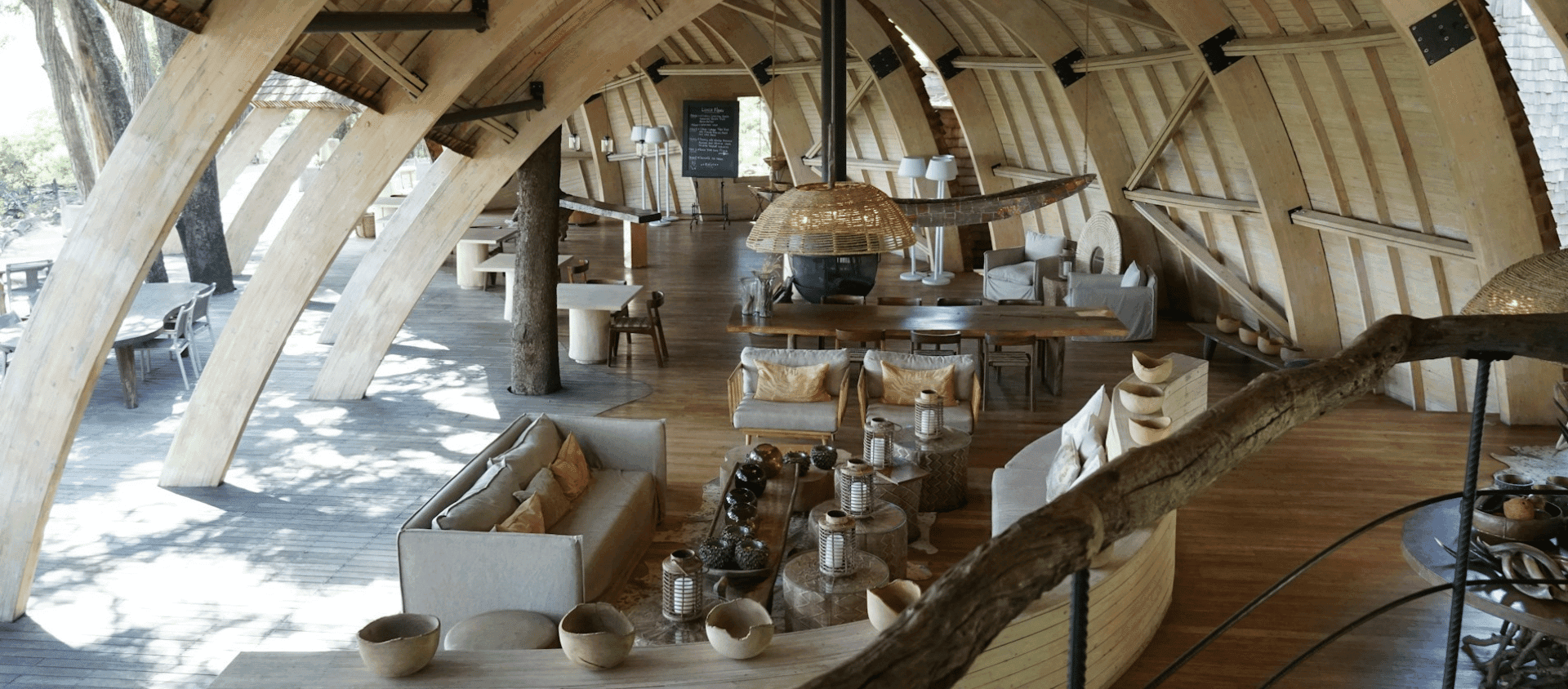
It's important to be honest: Botswana is a splurge, and it's worth having a good idea of the cost before you fall in love.
- Mid-range safaris, think comfortable tented camps and guided drives, typically run $650 to $1,000 per person per day, all-inclusive.
- Top-tier luxury lodges in the Delta's private concessions climb well beyond the mid-range pricing, and the most exclusive can cost several thousand dollars a night.
A classic six-to-10-night trip combining the Delta, the Linyanti or Chobe region, and a desert camp typically lands between $6,000 and $14,000 per person, including the bush flights between camps.
But here's what's great about Botswana. When everything is included, and the experience is genuinely once-in-a-lifetime, Botswana becomes the kind of trip that friends and family love to contribute toward.
You can set up a free travel registry that lets your loved ones gift you some of the best Botswana experiences: sundowner cruises, mokoro mornings, nights under the stars, and more.
Many couples and milestone travelers are surprised to find that a Botswana safari, split across a registry, becomes more accessible than expected. Rather than receiving traditional gifts, your guests can contribute directly toward the experiences that will define your trip: a private mokoro excursion, a guided night drive, or a celebrated bush dinner under the stars.
Botswana: An Ultimate Honeymoon (and Anniversary) Destination?
Would you believe that Botswana might be the most romantic place in Africa? Couples can explore our roundup of the top honeymoon adventure locations in Botswana for the camps and experiences that newlyweds rave about most.
You'll find that many lodges offer honeymoon perks, and pairing a few Delta nights with Victoria Falls makes a flawless one-week celebration.
For anniversary trips, a return to Botswana often feels even more meaningful than the first. The wilderness has a way of reminding you what matters. Many lodges will arrange private bush dinners, in-room spa treatments, and sunrise mokoro rides for couples celebrating milestones, all you have to do is ask when you book.
Quick Planning Tips for Botswana
Here are some of our top tips for making the most of a safari trip to Botswana:
- Getting there is simpler than it looks: Most Botswana safaris begin in Maun (the gateway to the Delta) or Kasane (for Chobe and Victoria Falls), and both can be reached by short connections from Johannesburg.
- Book far ahead: The best camps hold only a handful of rooms and fill 12 to 18 months out for peak season. Make sure you plan well ahead of time to get the best accommodation and guides.
- Keep it slow: Plan to stay two or three nights per camp, and two or three camps total; it beats rushing through what often requires nature's magic timing!
- Pack neutral and light: Pack light, but pack right. Khaki and olive clothing, binoculars, a good camera, and a soft duffel.
- Mind your health prep: Make sure to chat with your doctor about malaria precautions and any recommended vaccinations well before departure.
- Add Victoria Falls: Remember, one of the world's natural wonders sits right next door, two or three nights is perfect!
Frequently Asked Questions
Is Botswana good for a first-time safari?
Yes, Botswana is one of the best destinations for a first safari. The small camps, expert guides, and all-inclusive format mean everything is taken care of, so you can focus entirely on the experience. The only adjustment is the early wake-up calls, which you'll quickly decide are worth it.
Do I need a visa to visit Botswana?
Citizens of the US, UK, Canada, Australia, and most EU countries can enter Botswana visa-free for stays of up to 90 days. Always confirm the latest entry requirements with the official Botswana government website or your country's embassy before traveling.
Is Botswana safe to visit?
Botswana is widely considered one of Africa's most stable and safe countries. It has a strong democracy, low crime rates relative to the region, and a well-established tourism infrastructure. The main thing to be aware of is wildlife safety, which your guide will thoroughly brief you on before any bush walk or activity.
What should I pack for a Botswana safari?
Pack light and pack neutral. Khaki, olive, and tan clothing work best since bright colors can disturb wildlife. Essentials include a good camera with a zoom lens, binoculars, sunscreen, insect repellent, a light fleece for early morning drives, and a soft-sided duffel bag since many bush planes have strict luggage restrictions.
Can I combine Botswana with other African destinations?
Absolutely. The most popular combination is Botswana paired with Victoria Falls, which sits right on the border between Botswana, Zimbabwe, and Zambia. Many travelers also add a few nights in Cape Town or the Kruger National Park in South Africa. For those who want to extend their East African adventure, Tanzania is a natural next stop. Our Tanzania travel guide covers everything you need to plan a Serengeti safari and Zanzibar beach combination. A 10 to 14 day trip can comfortably include two or three destinations.
Your Safari Story Starts Here
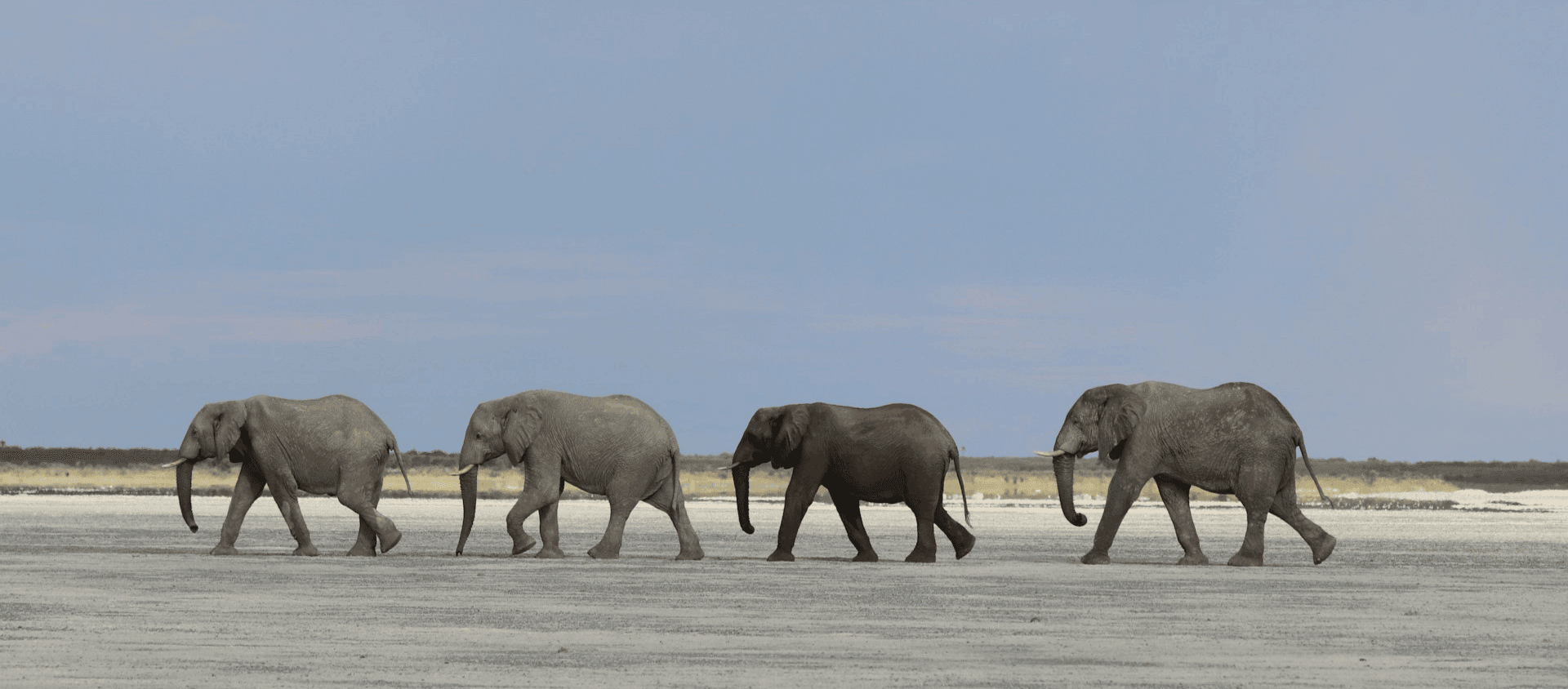
A safari in Botswana is one of the best ways to see our world's most incredible natural wonders.
If you're ready to start planning your Botswana itinerary? Create a free travel registry and let the people who love you help make the wildest celebration of your life a reality!
And when you're ready to make it real, book with Celebration.com Travel and every single detail, from bush flights to lodge bookings, will be handled with care. Fill out our interest form to get started planning your dream safari today!