


If you're a wine lover, then there's no better getaway than a wine weekend with your closest friends! We've scouted out the best spots in the United States to travel for some wine tasting, no matter where you're based.
How To Plan A Wine Weekend
Planning a wine country vacation isn't just about picking a destination—it's about setting yourself up for the kind of trip you'll still be talking about months later. Here's what we've learned makes all the difference:
Ideal trip length: 2–3 nights gives you enough time to truly unwind without feeling rushed
Best seasons: Spring and fall offer perfect weather, beautiful scenery, and harvest vibes
Reservations: Most tastings now require booking ahead, especially on weekends
Group size sweet spot: 4–8 people; which is enough for fun group energy without coordination chaos
Transport: Hire a driver or shuttle service. Seriously, do not rely on "we'll figure it out"
Structure: Aim for 2 wineries per day maximum, plus one long, leisurely meal (avoid overbooking!)
Mix formats: Balance seated tastings with picnic-style or food pairing experiences
Lodging: Stay centrally located to reduce drive time between wineries
Budget note: Tasting fees add up quickly so set clear expectations with your group upfront
The golden rule? Less is more. You'll enjoy the wines (and remember them) far better when you're savoring the experience rather than rushing from place to place.
Let’s Hit The Wine Trail
1. Sonoma, California
If you're looking for variety when searching wine weekend destinations, then Sonoma is the spot for you! Boasting over 400 wineries, there is no shortage of blends to be tasted. Sonoma County is just a short drive from San Francisco, nestled in the beautiful California Bay Area. In addition to wine tasting, you’re also surrounded by amazing sightseeing opportunities from the moment you arrive.
If aesthetics play a part in your search for a perfect winery, then The Ledson Winery, also known as 'The Castle' should make it on your list. This stunning property holds private tastings in a setting fit for royalty!
If you'd prefer something a bit more rustic in nature, we'd recommend stopping by the Ferrari -Carano Vineyard and Winery. Offering a cozy atmosphere with a scenic backdrop, you'll be able to sip on your choice of pinot noir, cabernet sauvignon, and more.
Best for: Variety, laid-back vibes, farm-to-table dining, accessible from San Francisco
Trip length: 2–3 nights (or extend to 3–4 if combining with Napa)
Budget: $–$$
Best time to go: April–May and September–October for ideal weather and harvest season
Where to stay: Farmhouse Inn or MacArthur Place
Where to eat: The Girl & The Fig
What to do: Russian River kayaking, farmers market tour, bike through vineyards

2. Charlottesville, Virginia
As a Virginia local myself, I can’t speak highly enough about Charlottesville. The area opens into the Shenandoah Valley and offers visitors a front-row seat to the natural beauty of the Blue Ridge Mountains. I highly encourage anyone planning a trip here to schedule their travel in Autumn, as the area truly comes to life when the leaves change!
Charlottesville isn't just stunning. It's also steeped in history. The Monticello Wine Trail, inspired by Thomas Jefferson's winemaking vision, is known as the "Birthplace of American Wine." You'll find over 40 wineries here, many producing exceptional Viognier and other varieties that thrive in Virginia's unique climate.
While in Charlottesville, hire Monticello Wine Tours, or a similar service, to shuttle your group safely from place to place. Once arrangements are made for transport, I recommend visiting Pippin Hill Farm and Vineyards, one of the more popular destinations in the area. With its serene landscape and beautiful gardens, it's easy to see why this spot stays busy. Another local stop that should make it on your list is Veritas Vineyard. Here you can enjoy wine tasting, a flavorful meal, or simply relax on their manicured lawn while enjoying the crisp mountain air!
Boar's Head Resort provides convenient lodging to all of the local vineyards and offers top-notch hospitality and beautiful grounds that will provide an element of luxury to retreat to after a long day!
Best for: Fall foliage, history lovers, mountain views, cozy atmosphere
Trip length: 2–3 nights
Budget: $$
Best time to go: September–November for peak fall colors; April–May for spring blooms
Where to stay: Boar's Head Resort
Where to eat: Pippin Hill (on-site dining)
What to do: Monticello Estate tour, downtown Charlottesville walking tour, Shenandoah National Park

3. Napa Valley, California
When visiting Napa Valley, guests can expect a full wino experience, beyond just a tasting! If you enjoy learning about the history of wine in the area, you can sign up for various tours of different local vineyards. One that we'd recommend is the St. Helena 'Taste of History' Tour which takes visitors through scenic settings and shares history dating back to the 1800s!
If you'd prefer a more relaxed visit without the structure of a tour, book a picnic with bottle service in one of the many breathtaking vineyards. This will give you and your girlfriends a chance to relax and unwind while still enjoying some tasty sips!

Best for: Luxury experiences, special occasions, foodies
Trip length: 2–3 nights (3–4 for a more comprehensive visit)
Budget: $$$
Best time to go: September–October for harvest and crush season; March–May for quieter visits
Where to stay: Auberge du Soleil or Carneros Resort and Spa
Where to eat: The French Laundry (book months ahead) or Bistro Jeanty
What to do: Hot air balloon ride over the valley, Napa Valley Wine Train, Oxbow Public Market
4. Grand Valley, Colorado
This region is incredibly unique for vineyards due to its dry, desert climate. The grapes grow tall thanks to the almost year-round sun and water access to the Colorado River. To learn more about Colorado's beautiful wine country, kick off your visit with a Grapes and Grains Adventure Tour. If you'd prefer to skip the education, but still travel in style, consider hiring out JR's Carriage Service for a daytime or sunset horse-drawn ride to various wineries.
For a relaxed and cozy atmosphere in a family owned establishment, visit Mesa Park Vineyards and try one of their popular reds.
Best for: Unique landscape, off-the-beaten-path, adventure seekers, budget-friendly
Trip length: 2–3 nights
Budget: $$
Best time to go: April–June and September–October to avoid extreme heat
Where to stay: Wine Country Inn or hotels in Palisade
Where to eat: Palisade Café
What to do: Colorado National Monument, Palisade peach orchards (summer), rafting on the Colorado River

5. Finger Lakes, New York
Another East Coast wine destination is the Finger Lakes area in upstate New York. The stunning scenery of New York's wine country, especially in the fall, is unmatched! Spend your weekend exploring one of three local wine trails and tasting the carefully crafted food and drink pairings along the way, or plan your trip around one of the many big events in the area, such as wine and cheese tastings and holiday festivals.
If you do decide to spend a day visiting the many stops of each wine trail, consider hiring transportation in advance through one of the local rental companies such as 'Above the Glen.' This one-of-a-kind shuttle service offers riders the chance to coast the trails in style from a fully restored 1956 red stretch limo!
Best for: Riesling lovers, scenic beauty, waterfalls and nature, romantic getaways
Trip length: 2–3 nights
Budget: $$
Best time to go: September–October for fall colors and harvest; June–August for warm weather
Where to stay: Inn at Glenora Wine Cellars or Watkins Glen Harbor Hotel
Where to eat: Veraisons Restaurant at Glenora
What to do: Watkins Glen State Park gorge trail, Seneca Lake boat cruise, downtown Geneva shopping

6. Temecula, California
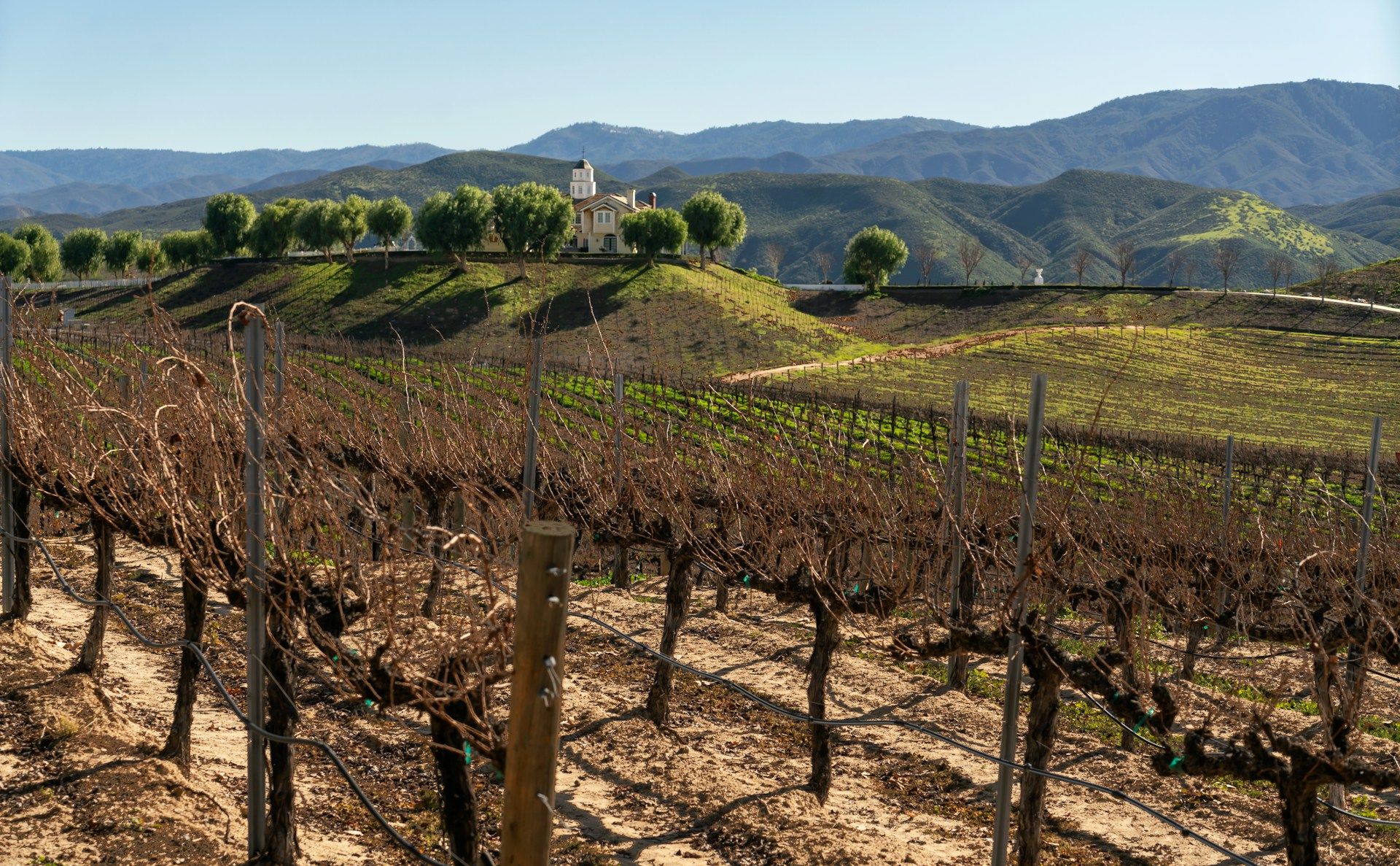
Temecula offers Southern California wine country at its most accessible. Located about 90 minutes from both Los Angeles and San Diego, this region combines award-winning wines with a relaxed, unpretentious atmosphere. The Mediterranean climate means you can enjoy outdoor tastings year-round, and many wineries feature live music on weekends.
What makes Temecula special is how it balances quality with approachability. You'll taste excellent wines without the intimidation factor or price tags of Napa. Plus, Old Town Temecula adds character with its Western-style buildings, antique shops, and restaurants, giving you somewhere fun to explore between tasting appointments.
Best for: Budget-friendly luxury, live music, hot air balloon rides, Southern California sunshine
Trip length: 2 nights
Budget: $-$$
Best time to go: March–May and September–November for perfect weather
Where to stay: South Coast Winery Resort & Spa or Carter Estate Winery and Resort
Where to eat: The Goat & Vine
What to do: Hot air balloon ride at sunrise, Old Town Temecula shopping, winery concerts
7. Paso Robles, California
Located in California's Central Coast region, Paso Robles (or "Paso" as locals call it) has exploded in popularity over the past decade. And for good reason, as it’s one of the most perfect winery weekend getaways. With over 200 wineries and 60+ varieties grown here, you'll find incredible diversity in what you're tasting. The region is particularly known for bold reds like Cabernet Sauvignon, Zinfandel, and Rhône-style blends.
What sets Paso apart is its down-to-earth vibe. Despite producing world-class wines, many wineries here maintain that approachable, family-friendly atmosphere. The dramatic temperature swings between hot days and cool nights create ideal growing conditions, resulting in wines with intense flavors and great balance.
Bonus: Paso is conveniently located about halfway between San Francisco and Los Angeles, making it an easy stop on a California road trip or a destination in its own right.
Best for: Bold red wine lovers, relaxed atmosphere, central California location, diverse varietals
Trip length: 2–3 nights
Budget: $$
Best time to go: Spring (March–May) and fall (September–November); avoid summer heat
Where to stay: Hotel Cheval or Allegretto Vineyard Resort
Where to eat: Thomas Hill Organics or Il Cortile
What to do: Downtown Paso Robles tasting rooms, Sensorio light installation, Hearst Castle day trip
8. Santa Barbara, California
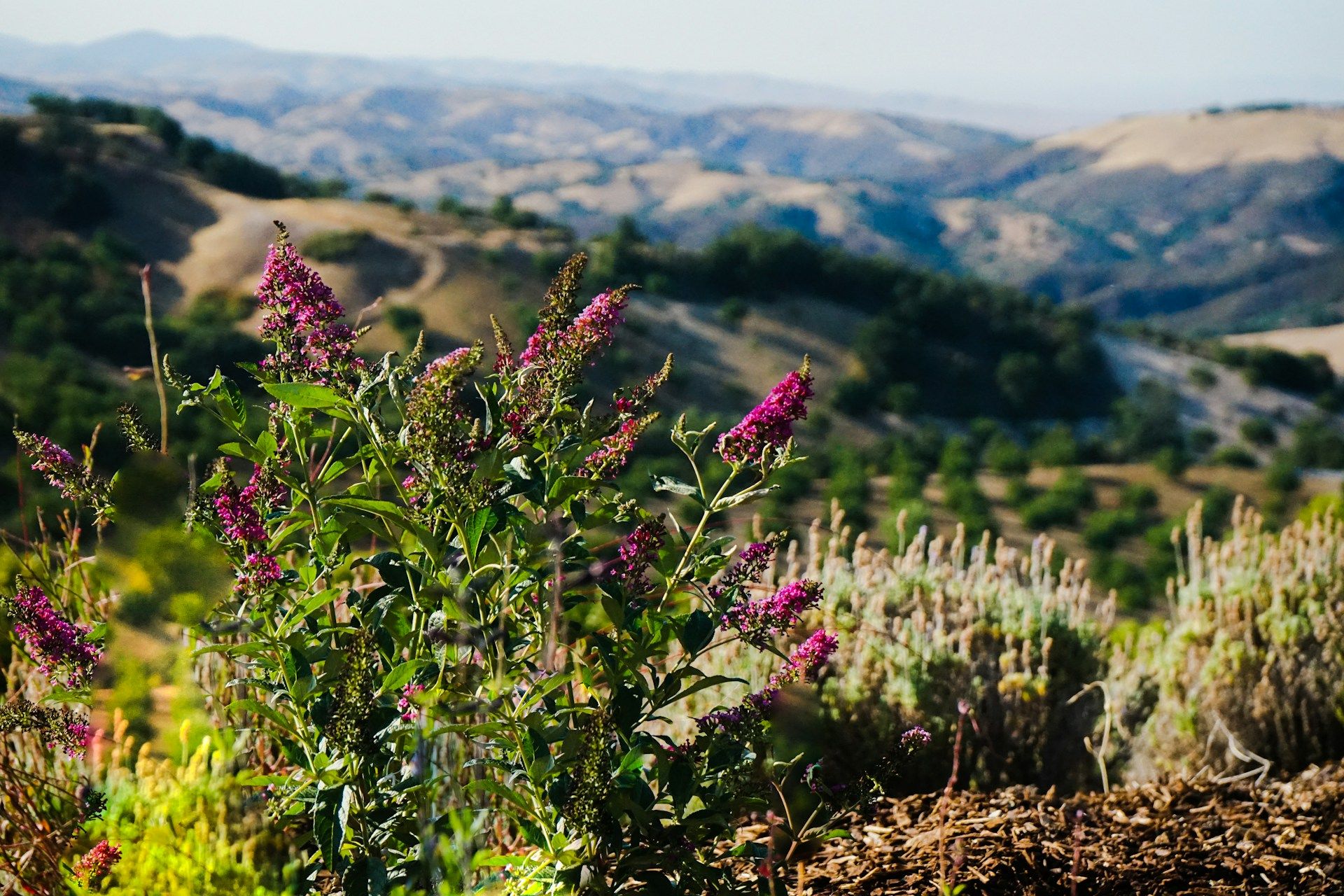
Santa Barbara offers a unique wine country experience where coastal beauty meets world class Central Coast wines. Often called the “American Riviera,” the region is known for its laid back luxury, ocean views, and easy access to top tier vineyards just minutes from the beach. Santa Ynez Valley is the heart of the wine scene, producing standout Pinot Noir, Chardonnay, and Rhône style wines.
What makes Santa Barbara especially appealing is how effortless it feels. You can spend the morning wine tasting in Los Olivos or Santa Ynez, then be back by the coast for sunset cocktails or a beachfront dinner. Many tasting rooms are walkable in downtown Santa Barbara and Los Olivos, making it perfect for a relaxed girls trip without extensive driving. The region’s coastal climate helps create elegant, balanced wines with bright acidity and a strong sense of place.
Bonus: Santa Barbara is easy to reach via Amtrak, regional flights, or a scenic drive from Los Angeles, making it an ideal long weekend destination.
Best for: Coastal views, chic wine tasting, walkable towns, relaxed luxury
Trip length: 2–3 nights
Budget: $$–$$$
Best time to go: Spring (April–June) and fall (September–October)
Where to stay: Rosewood Miramar Beach or The Canary Hotel
Where to eat: Olio Pizzeria or Wine Cask
What to do: Wine tasting at Santa Ynez Valley wineries, stroll through State Street's boutiques and galleries, sunset walks along Stearns Wharf
Sample Itinerary For Your Dream Wine Weekend
Planning your first wine weekend and not sure how to structure your days? Here's a tried-and-true itinerary that works beautifully for couples, small friend groups, or anyone wanting to experience wine country at a comfortable pace.
This itinerary is built around the golden rule: two wineries per day maximum, plus one long meal. This gives you time to truly enjoy each experience without feeling rushed or overwhelmed (wine tasting weekend fatigue is real!). Remember to book reservations in advance and arrange transportation so everyone can relax and enjoy.
Friday (Arrival + Warm-Up Night)
4:00 PM – Check-in and settle: Choose accommodations in a central location so your evenings are easy and you're not driving far to dinner. Take time to unwind from travel and get excited for the weekend ahead.
5:30 PM – Easy first tasting: Pick a walkable tasting room close to your lodging or a winery with late hours. Keep this relaxed. Think of it as your warm-up. Many wine regions have downtown tasting rooms that stay open later than estate wineries.
7:30 PM – Dinner reservation: Book your "anchor" meal! This is your splurge dinner if you want one. Choose a restaurant known for wine pairings or farm-to-table cuisine. Linger over multiple courses and enjoy not having anywhere to rush off to.
9:30 PM – Optional nightcap: If you're still feeling energetic, grab a cocktail or glass of wine at a bar near your hotel. Or call it an early night—you'll want energy for tomorrow!
Planning tip: Before bed, confirm your Saturday winery reservation times and driver pickup to avoid morning scrambling.
Saturday (Main Wine Day)
9:30 AM – Late breakfast or brunch: Fuel up with a substantial meal. You'll be sipping wines all day, so don't skip this. Look for spots known for hearty breakfasts or farm-fresh brunches.
11:00 AM – Winery #1: Seated tasting or tour: Aim for late morning at an "experience" winery, which is somewhere offering cave tastings, vineyard walks, or food pairings. These deeper experiences help you understand the winemaking process and appreciate what's in your glass.
1:30 PM – Long lunch: This is crucial. Either eat at the winery if they have a restaurant, or head to a nearby spot, but keep it slow and leisurely. Order multiple courses, share plates, and let the afternoon unfold naturally. This break prevents wine tasting burnout.
3:30 PM – Winery #2: Scenic tasting: Choose an afternoon "golden hour" spot if possible, somewhere with beautiful views and outdoor seating. This is your chance to relax with a glass while soaking in vineyard vistas.
5:30 PM – Reset time: Head back to your accommodations for pool time, a nap, showers, and getting ready for dinner. This downtime is non-negotiable—it recharges you for the evening.
7:30 PM – Dinner: Either go for a chef-driven restaurant to showcase local cuisine or choose a casual local favorite. Both have their place so gauge your group's energy level.
9:30 PM – Optional: One extra stop: Only add this if there's a tasting room near your dinner spot (no extra driving!). Many downtown tasting rooms stay open later and offer a different vibe than daytime estate visits.
Sunday (Slow Morning + One Last Sip)
9:00 AM – Coffee and a stroll: Take advantage of your last morning to explore. Many wine regions have charming downtowns perfect for a leisurely walk with coffee in hand.
10:30 AM – Brunch: Find a spot known for their Sunday brunch. This is your final chance to enjoy the local food scene.
12:30 PM – Final tasting (tasting room style): Keep this easy and close to town. Choose a tasting room rather than driving out to an estate as it's more convenient when you're getting ready to leave. This is your last chance to stock up on favorites.
2:30 PM – Shop and pack: Browse local shops for gourmet goodies, olive oils, or gifts. Many wineries offer shipping options for bottles (highly recommend this over packing in luggage). Buy from your favorite winery so you can relive the memories at home.
4:00 PM – Head home: Leave with plenty of time to avoid rushing and extend that weekend relaxation as long as possible.
Wine Weekend FAQ
How many wineries should we visit in a day?
2 wineries per day. Wine tasting is about quality over quantity. After your third or fourth tasting, your palate gets fatigued and you stop appreciating the nuances in what you're drinking. Plus, rushing from place to place defeats the purpose of a relaxing weekend!
Do we need reservations for wine tastings?
Yes, most wineries now require reservations, especially on weekends and during peak seasons (spring and fall). Reservations are standard practice now, and many wineries have kept this system because it allows them to provide better service with proper staffing.
Is a wine tour or driver worth it?
Yes, a wine tour is worth it especially if you're visiting out-of-the-way wineries or want a stress-free schedule.
Benefits include:
- Everyone can taste without worrying about driving
- No parking stress (some wineries have limited parking)
- Drivers often know the area and can offer recommendations
- You can stick to a tighter schedule without navigation delays
Alternative: If you want to skip the driver cost, plan one day visiting walkable downtown tasting rooms where you can explore on foot. Many wine regions have clusters of tasting rooms in their historic downtowns.
What should we budget for a wine weekend?
Budget varies widely by region and your choices, but here's a general breakdown:
Tastings: Most wineries charge $25–$75 per person, per tasting (often waived if you purchase bottles)
Transportation: $300–$800 for driver service or shuttle (split across the group)
Lodging: $150–$500+ per night depending on location and luxury level
Meals: Plan for one splurge meal ($60–$100 per person) and more casual options ($20–$40)
Wine purchases: Budget separately for bottles you'll want to take home
Total weekend cost: $500-$1,000+
Money-saving tip: Set expectations early with your group and decide together on one "splurge" moment (fancy dinner, premium winery, luxury lodging) while keeping other elements more budget-friendly.
What's the best time of year for a wine weekend?
Spring (April–May) and fall (September–October) offer the best balance of comfortable weather, beautiful scenery, and manageable crowds. Harvest season (September–October) brings incredible energy but also peak prices and crowds so book early. Winter means quieter visits and better deals, though some wineries have reduced hours. Summer is great for outdoor tastings but expect heat and larger crowds.
Where should we stay for a wine weekend?
It depends, but here’s a few things to keep in mind when selecting lodging.
- Stay central to reduce drive time between your lodging and the wineries you want to visit. Research which areas or towns sit in the heart of the wine region.
- Choose walkable areas if you want easy evening options such as tasting rooms, restaurants, and shops you can reach on foot to make for relaxed nights.
- Weigh convenience versus ambiance based on your priorities. Vineyard stays offer incredibly scenic accommodations and immersive experiences, but may require more driving to reach other wineries and restaurants.
- Consider a winery vacation rental for groups of 4+, which gives you space to gather, a kitchen for morning coffee and snacks, and often better per-person value than multiple hotel rooms.
What should we pack for a wine weekend?
Here’s what you should pack:
- Layers are essential – vineyards can be windy or chilly even on warm days
- Comfortable walking shoes – you'll encounter gravel paths, grass, and vineyard walking tours
- Sunscreen and sunglasses – outdoor tastings mean sun exposure
- Small bag or backpack for carrying water bottles and any purchases
- One nicer outfit for that special dinner or if a winery has a dress code
- Reusable water bottle – staying hydrated between tastings is crucial
Pro tip: Pack a phone charger and portable battery. You'll be taking lots of photos and using your phone for reservations and navigation.
How do we bring wine home easily?
- Ask about shipping options at wineries, as many wineries offer this service and it's often worth the cost versus the hassle of packing bottles.
- Use protective bottle sleeves if packing wine in checked luggage. You can buy these at wine shops or sometimes at the wineries themselves.
- Consider buying fewer bottles at more meaningful stops rather than buying everywhere you go. You'll appreciate curating a small collection of favorites.
- Check airline policies before you fly—most allow wine in checked bags but weight limits apply.
What if not everyone in our group drinks wine?
- Choose wineries with multiple draws: Many offer beautiful grounds, food service, scenic views, vineyard tours, or other activities beyond just tasting.
- Balance with non-wine activities: Build in a spa afternoon, hiking, shopping in town, or a scenic drive so non-drinkers have experiences they'll enjoy too.
- Pick destinations with strong restaurant scenes and other attractions – wine regions often overlap with areas known for great food, art galleries, and outdoor recreation.
- Some wineries offer non-alcoholic options like grape juice, sparkling water, or coffee drinks so be sure to ask when making reservations.
So Pack Your Bags and Lets Go!
These are just our favorite winery getaways, but there are so many beautiful wineries across the country that you’ll easily be able to find a great spot, no matter where you want to travel.
Ready to start planning? When you book with Celebration.com Travel, you can rest assured that every single detail of your trip will be handled with care. Fill out our interest form to learn more today!